Trump was joking about declaring Strait of Hormuz US territory
US President Donald Trump sparked regional defiance and a subsequent White House retreat after stating he would declare the Strait of Hormuz American soil.

- Core Development: US President Donald Trump sparked regional defiance and a subsequent White House retreat after stating he would declare the Strait of Hormuz American soil.
- Beat Context: Categorized under World with independent corroboration.
- Reporting Depth: 3 minute analytical read synthesized from verified newsroom sources.
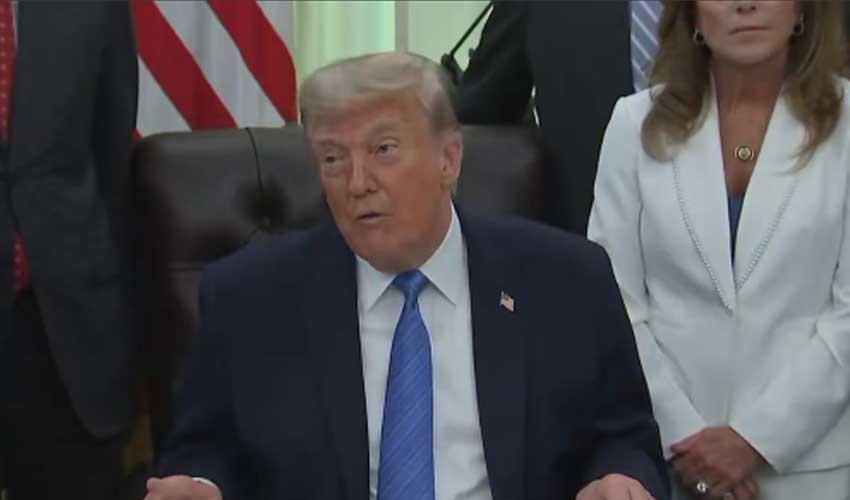
On Friday, 15 August 2026, US President Donald Trump stated during a political rally that he would soon declare the Strait of Hormuz a territory of the United States. Speaking at the Nassau County Police Academy in Garden City, New York, Trump remarked:
He also asserted that the US owns and totally controls the strategic waterway, maintaining a blockade that allows no ships through unless Washington permits it. Ahead of the speech, Trump told Fox News that the blockade is costing Tehran significant daily sums while sanctions weigh on the regime."After we finish defeating Iran, which is being very badly defeated — pretty soon I’ll be declaring the Hormuz Strait a territory of the United States."
Donald Trump, US President, via Fox News and The Express Tribune
Media additions
Yet, an internal retreat from the administration quickly followed. According to a Wall Street Journal reporter citing an unnamed senior White House official, President Trump had not met with advisers to discuss such an annexation and had simply been joking during his speech. Despite the clarification, the remarks immediately escalated regional tensions surrounding the vital energy chokepoint, which normally carries a major share of global oil and liquefied natural gas shipments.
Iran responded with swift defiance. Iranian Deputy Foreign Minister for Legal and International Affairs Kazem Gharibabadi wrote on X:
Gharibabadi maintained that the passageway has always been Iranian, remains Iranian, and will stay Iranian, stating that it will only open or close under Tehran's command until Washington accepts defeat. Iranian Foreign Minister Abbas Araghchi added that Tehran has made no decision to resume peace talks with the US, rejecting the interpretation that previous agreements constituted an extendable ceasefire and asserting that previous diplomatic channels are no longer effective."The Strait of Hormuz cannot be seized by tweet, nor by aircraft carrier, nor by issuing an order, nor by an election speech."
Kazem Gharibabadi, Iranian Deputy Foreign Minister, via Fox News
The confrontation has severely restricted commercial traffic through the waterway since the war began on 28 February 2026, when the US and Israel launched military operations against Iran. Data from ship-tracking firm Kpler cited by CNN indicated that only a fraction of pre-war traffic volumes had crossed the strait, and Iranian forces have targeted vessels attempting passage without permission. On Thursday evening, 13 August 2026, the United Arab Emirates reported that two Abu Dhabi National Oil Company vessels were attacked while transiting the Strait of Hormuz, with the UAE blaming Iran.
Domestically, the prolonged conflict has created political and economic pressures. US Treasury Secretary Scott Bessent announced that Washington will apply unprecedented economic measures against Tehran as soon as next week. President Trump urged Americans to accept slightly higher gasoline prices as the necessary cost of preventing Iran from acquiring a nuclear weapon, even as higher fuel costs collide with his campaign promises and draw criticism from political opponents ahead of November midterm elections. Iranian President Masoud Pezeshkian likewise blamed high domestic inflation on the US naval blockade and oil sanctions.
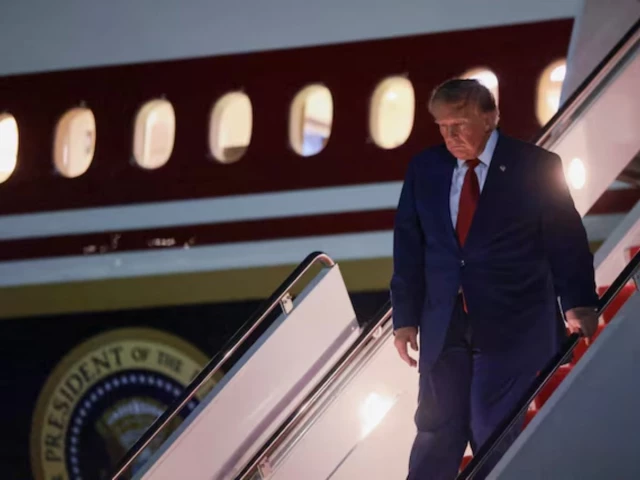
The naval operations have also strained military personnel. Trump dismissed concerns raised by families regarding the extended deployment of the USS Abraham Lincoln aircraft carrier, which has spent over 260 days at sea supporting operations against Iran. When asked by reporters before boarding Air Force One whether the deployment was too long, Trump responded that it was not nearly long enough
and noted the vessel would soon be replaced by a similar ship, such as the USS George Washington.
As the stalemate deepens, global energy markets remain vulnerable with Brent crude approaching $90 a barrel. Observers look toward the upcoming week for the US Treasury's promised economic measures, while regional intermediaries continue informal discussions to establish tentative sea routes through the contested corridor.
How significant is this development?
Contribute your assessment to the aggregated reader sentiment ledger.
Frequently Asked Questions
Key questions answered in this reportWhat is the key development in: Trump was joking about declaring Strait of Hormuz US territory?
US President Donald Trump sparked regional defiance and a subsequent White House retreat after stating he would declare the Strait of Hormuz American soil.
Why is this World development significant for the UK?
This report covers critical events in our World beat. Independent reporting monitors related UK statements, regulatory shifts, and public responses as further verified details emerge.
How was this reporting corroborated and verified?
Newsarchy UK compiles and cross-references reporting from primary reporting from samaa.tv and cross-checked wire reports. All coverage adheres to published editorial standards.
When was this report published?
This briefing was published on August 15, 2026 and is permanently cataloged in the Newsarchy UK World archives.