Trump threatens major strike on Iran as Houthis block Red Sea
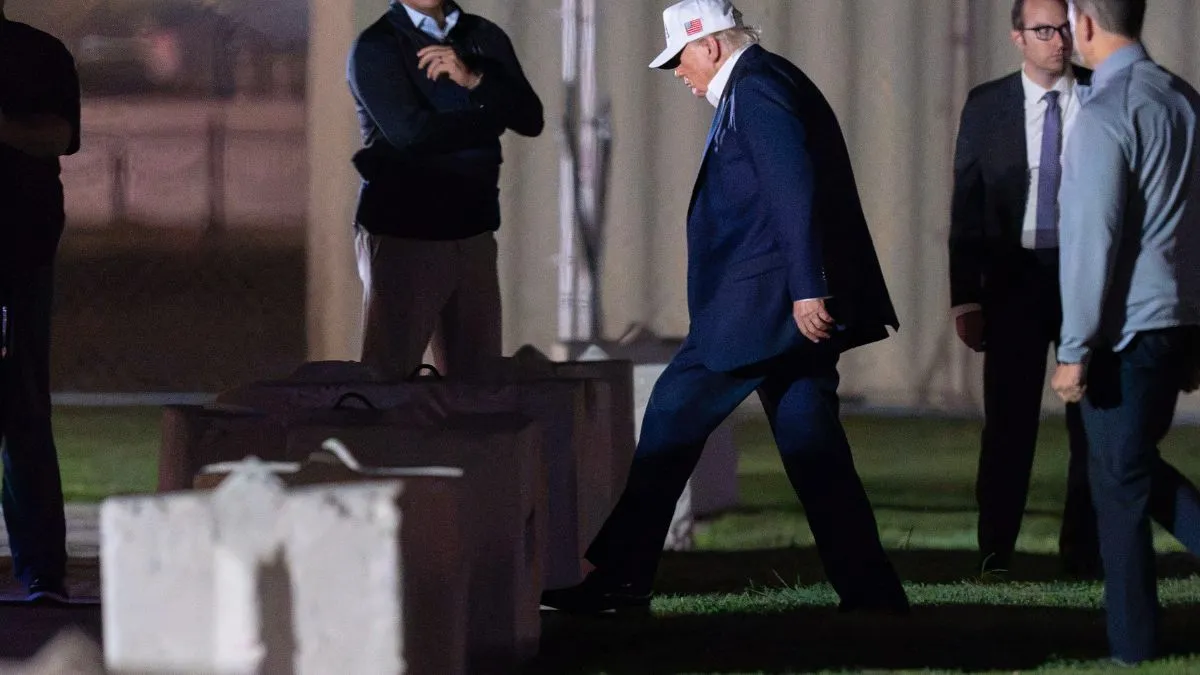
President Donald Trump warned of major military punishment against Iran if the Houthi blockade of the Red Sea continued, following strikes on two Saudi oil tankers.

- Core Development: President Donald Trump warned of major military punishment against Iran if the Houthi blockade of the Red Sea continued, following strikes on two Saudi oil tankers.
- Beat Context: Categorized under World with independent corroboration.
- Reporting Depth: 3 minute analytical read synthesized from verified newsroom sources.
President Donald Trump warned on Thursday, 23 July 2026, that the United States would unleash major military punishment on Iran if a Houthi blockade of the Red Sea continued. Trump described the Yemeni fighters as a surrogate and proxy of Iran, according to The Christian Science Monitor and source reports. The warning followed a Houthi naval embargo announcement against Saudi Arabia and subsequent strikes on two Saudi oil tankers in the Bab el-Mandeb strait.
Choke points and energy supplies
Iran sealed the Strait of Hormuz in early March 2026, cutting off a major oil artery and reducing global oil supplies by about ten percent, according to the International Monetary Fund. Saudi Arabia responded by shifting petroleum exports through a pipeline to Yanbu on the Red Sea, routing roughly 3.5 million barrels per day through the 19-mile-wide Bab el-Mandeb strait.
Media additions
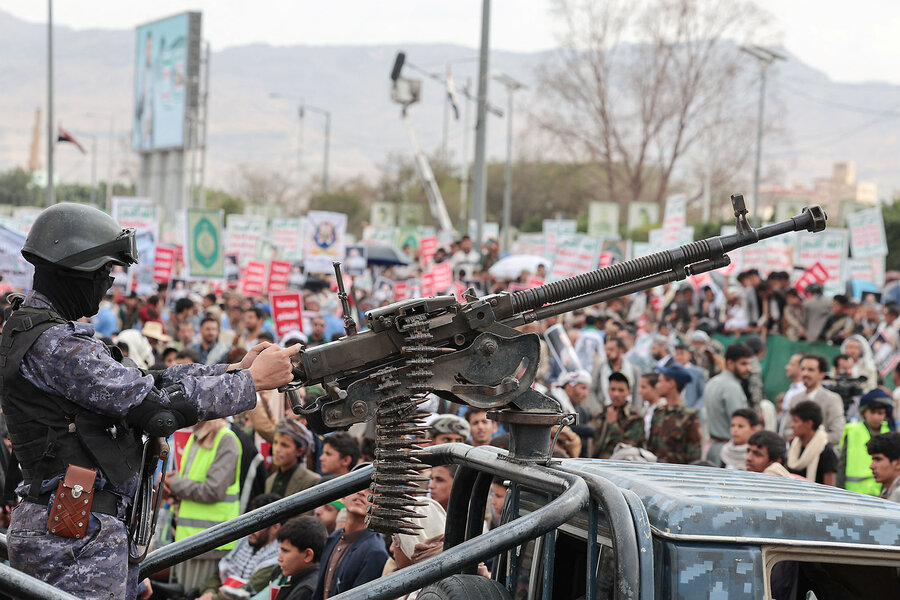
Global oil prices jumped above $100 a barrel for the first time since May in response to the attack.
Eyewitnesses reported that the strikes forced other tankers to reverse course and head north through the Suez Canal. Shipping insurance costs doubled for some companies on Thursday, and alternate routes around the Cape of Good Hope added roughly 2,700 miles to voyages.
Military escalation and regional impact
The United States responded with air strikes on Iranian targets late Thursday and early Friday, 24 July 2026, marking a thirteenth consecutive night of attacks in a campaign that began in late June 2026. The Pentagon disclosed that 100 service members had been injured since 7 July 2026, with the majority having returned to duty. The broader conflict has killed 18 U.S. Service members, while Iranian media reported threats from the head of Iran's top joint military command.
The Iranian health ministry stated on X that 59 people had been killed and 666 wounded since clashes resumed in late June 2026. Meanwhile, the Revolutionary Guards warned that populations in Gulf countries could face strikes if U.S. Personnel used buildings in cities to direct operations, in a statement carried by the Fars news agency.
Saudi political analyst Hesham Alghannam, a Carnegie Middle East scholar based in Riyadh, noted that Iran now holds leverage over both the Strait of Hormuz and the Bab el-Mandeb simultaneously. Ali Vaez of the International Crisis Group warned that reduced Redsea traffic increases economic costs, which Tehran views as negotiation leverage, though it may also prompt the United States to double down on military operations.
Trump weighs further action
In a White House briefing and an interview with Axios, Trump discussed his options for the conflict. He stated that the United States could pursue a continuous military exit or a smarter strategy involving a deal, noting that talks were ongoing.
"I am considering a massive attack. Bigger than ever before. I am close to making a decision. We are all set for it."
Donald Trump, President, via The Christian Science Monitor
Trump has previously floated expanding targets to include energy plants, bridges, ground forces seizing the Kharg Island oil hub, and bombing the underground nuclear-linked site known as Pickaxe Mountain. On Friday, 24 July 2026, he stated that he had not yet made a final decision on launching new major strikes.
Diplomatic avenues and next steps
An Arab government official described the escalation into the Red Sea as a nightmare scenario for Gulf states and the global energy industry. Dr. Alghannam warned that the Houthi blockade places Iran's back-channel communications with Riyadh under serious strain, complicating potential off-ramps.
Potential de-escalation paths include direct negotiations between Saudi Arabia and the Houthis mediated by Oman, or diplomatic intervention by China, which maintains deep economic ties with both Iran and Saudi Arabia. The U.S. Embassy in Baghdad advised American citizens in the Middle East to remain on heightened alert while stakeholders await clarification from the White House regarding the threatened military punishment.
How significant is this development?
Contribute your assessment to the aggregated reader sentiment ledger.
Frequently Asked Questions
Key questions answered in this reportWhat is the key development in: Trump threatens major strike on Iran as Houthis block Red Sea?
President Donald Trump warned of major military punishment against Iran if the Houthi blockade of the Red Sea continued, following strikes on two Saudi oil tankers.
Why is this World development significant for the UK?
This report covers critical events in our World beat. Independent reporting monitors related UK statements, regulatory shifts, and public responses as further verified details emerge.
How was this reporting corroborated and verified?
Newsarchy UK compiles and cross-references reporting from primary reporting from goulburnpost.com.au and cross-checked wire reports. All coverage adheres to published editorial standards.
When was this report published?
This briefing was published on July 25, 2026 and is permanently cataloged in the Newsarchy UK World archives.