Trump threatens Oman with bombing over Hormuz deal
US President Donald Trump has threatened to bomb Oman if the Gulf state interferes with Washington's efforts to secure the vital Strait of Hormuz. The ultimatum arrives as a 60-day diplomatic window concerning Iran expires amid escalating regional tensions.
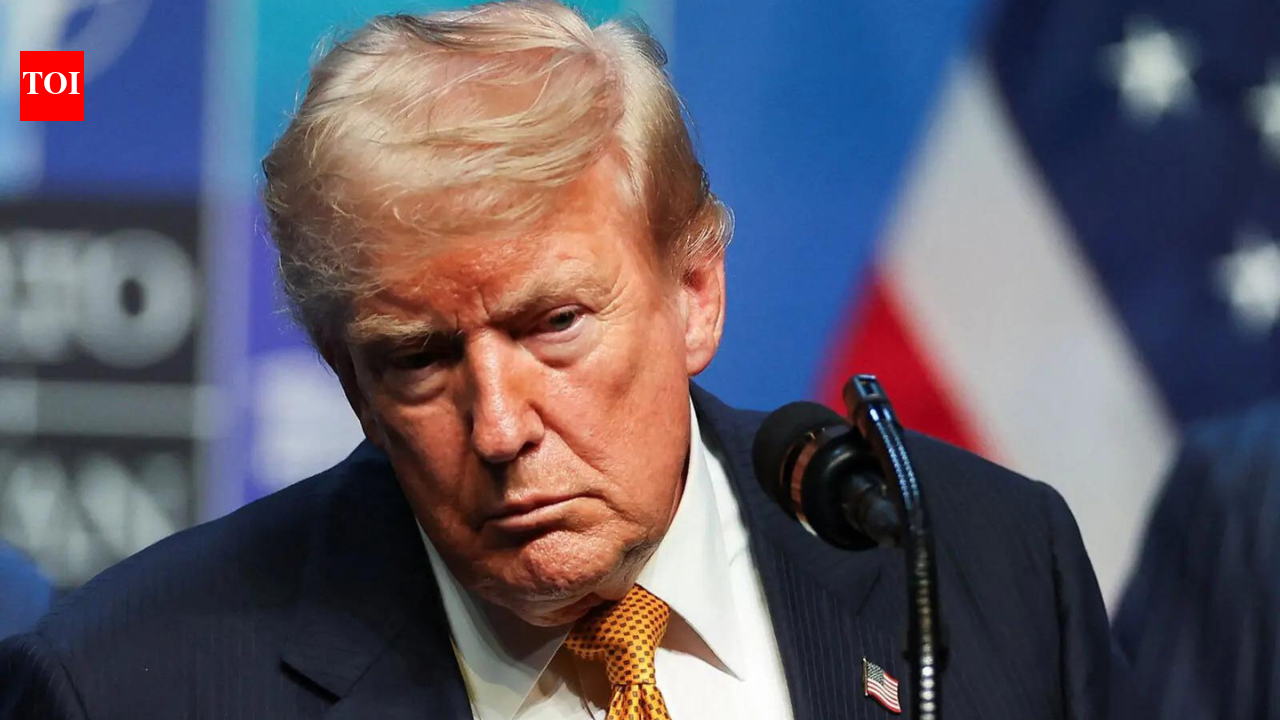
- Core Development: US President Donald Trump has threatened to bomb Oman if the Gulf state interferes with Washington's efforts to secure the vital Strait of Hormuz. The ultimatum arrives as a 60-day diplomatic window concerning Iran expires amid escalating regional tensions.
- Beat Context: Categorized under World with independent corroboration.
- Reporting Depth: 4 minute analytical read synthesized from verified newsroom sources.
President Donald Trump announced on Monday that the United States would bomb Oman if the Gulf state “gets in the way” of Washington’s push to secure the Strait of Hormuz, a threat that comes as the 60‑day countdown on the June memorandum of understanding with Iran expires.
Why the warning matters now
The Strait of Hormuz carries roughly 20% of the world’s oil and liquefied natural gas, and any disruption could ripple through global fuel markets ahead of the U.S. Midterm elections. Trump’s ultimatum follows a stalled diplomatic track that was supposed to produce a final settlement on Iran’s nuclear programme and the removal of the U.S. Naval blockade that has choked Iranian ports since the war began on February 28.
Media additions

"If Oman gets in the way, we'll bomb the shit out of them."
Donald Trump, U.S. President, via USA Today
Trump made the remark during a phone interview with a Fox News reporter, adding that Iran should “put up the white flag of surrender.”
"They should put up the white flag of surrender."
Donald Trump, U.S. President, via USA Today
Background to the Hormuz impasse
After U.S. And Israeli strikes on Iranian facilities on February 28, Tehran responded with attacks across the region, prompting Washington to impose a naval blockade of Iranian ports.
Oman, meanwhile, has not publicly responded to Trump’s threat, but the potential for an American strike against a U.S. Ally would force a reassessment of its role as a neutral facilitator of shipping.
Regional reactions and diplomatic undercurrents
Qatar’s foreign ministry spokesman Majed al‑Ansari stressed the need for more time in the U.S.–Iran talks after Trump postponed a planned attack at the request of Qatar, Saudi Arabia and the United Arab Emirates. “We are supportive of the diplomatic effort by Pakistan that has shown seriousness in bringing parties together and finding a solution, and we do believe it needs more time,” he said at a press conference.
On the Iranian side, a senior official told Reuters that Tehran has shifted from a defensive to a “fully offensive” posture, warning that it is prepared to take “timely and precise” military action if diplomacy fails.
U.S. Central Command’s admiral Brad Cooper praised the crew of the USS Abraham Lincoln for their resilience, noting the carrier’s role in enforcing the blockade.
Timeline of key developments
- February 28, 2026: U.S. And Israeli strikes trigger Iran’s retaliatory attacks across the Middle East.
- June 2026: Memorandum of understanding signed, pausing hostilities and outlining a 60‑day window for a final deal.
- July 7, 2026: Trump declares the interim agreement “over.”
- Early July 2026: Iran’s foreign ministry labels the MOU “suspended.”
- August 11‑12, 2026: Iran cleans up oil pollution in Hormozgan province, signaling continued domestic challenges.
- August 17, 2026: 60‑day deadline expires; Trump threatens to bomb Oman and calls for Iranian surrender.
What to watch next
- Oman’s response: Whether the Sultanate will rebuff the threat or adjust its negotiations with Tehran.
- U.S. Military posture: Potential escalation of air or naval strikes if Oman is perceived as obstructing U.S. Objectives.
- Regional diplomacy: Qatari, Saudi and UAE mediation efforts and any renewed back‑channel contact between Washington and the IRGC.
- Midterm elections impact: How political calculations in Washington may shape the next moves in the Hormuz standoff.
Broader implications for the Gulf
The threat adds a new dimension to an already volatile situation. Iran’s shift to an “offensive” stance, combined with ongoing drone attacks from Iranian territory on the Kurdish Regional Government’s prime minister’s office in northern Iraq, signals Tehran’s willingness to apply pressure beyond its borders.
Meanwhile, the United States continues to maintain a direct back‑channel with Iran’s Islamic Revolutionary Guard Corps, as reported by Times of India. Trump warned that he has “no time schedule” and is “not in a hurry” to end the war, underscoring the unpredictable nature of the diplomatic timeline.
Iran’s foreign ministry also raised the specter of three missing pilots, presumed captured by Qatar, adding another layer of tension to the already complex negotiation matrix involving multiple Gulf states.
With the MOU’s deadline passed, the international community faces a choice: press for a rapid diplomatic resolution to keep the Strait of Hormuz open, or brace for a possible widening of the conflict that could see an American strike on an allied Gulf nation.
How significant is this development?
Contribute your assessment to the aggregated reader sentiment ledger.
Frequently Asked Questions
Key questions answered in this reportWhat is the key development in: Trump threatens Oman with bombing over Hormuz deal?
US President Donald Trump has threatened to bomb Oman if the Gulf state interferes with Washington's efforts to secure the vital Strait of Hormuz. The ultimatum arrives as a 60-day diplomatic window concerning Iran expires amid escalating regional tensions.
Why is this World development significant for the UK?
This report covers critical events in our World beat. Independent reporting monitors related UK statements, regulatory shifts, and public responses as further verified details emerge.
How was this reporting corroborated and verified?
Newsarchy UK compiles and cross-references reporting from primary reporting from timesofindia.indiatimes.com and cross-checked wire reports. All coverage adheres to published editorial standards.
When was this report published?
This briefing was published on August 17, 2026 and is permanently cataloged in the Newsarchy UK World archives.