US launches strikes on Iran and revokes oil sales after shipping attacks
U.S. forces launched strikes against Iranian military targets following attacks on commercial shipping, triggering retaliatory fire against bases in Bahrain and Kuwait. The escalation has disrupted regional peace efforts and impacted global energy markets.

- Core Development: U.S. forces launched strikes against Iranian military targets following attacks on commercial shipping, triggering retaliatory fire against bases in Bahrain and Kuwait. The escalation has disrupted regional peace efforts and impacted global energy markets.
- Beat Context: Categorized under World with independent corroboration.
- Reporting Depth: 3 minute analytical read synthesized from verified newsroom sources.
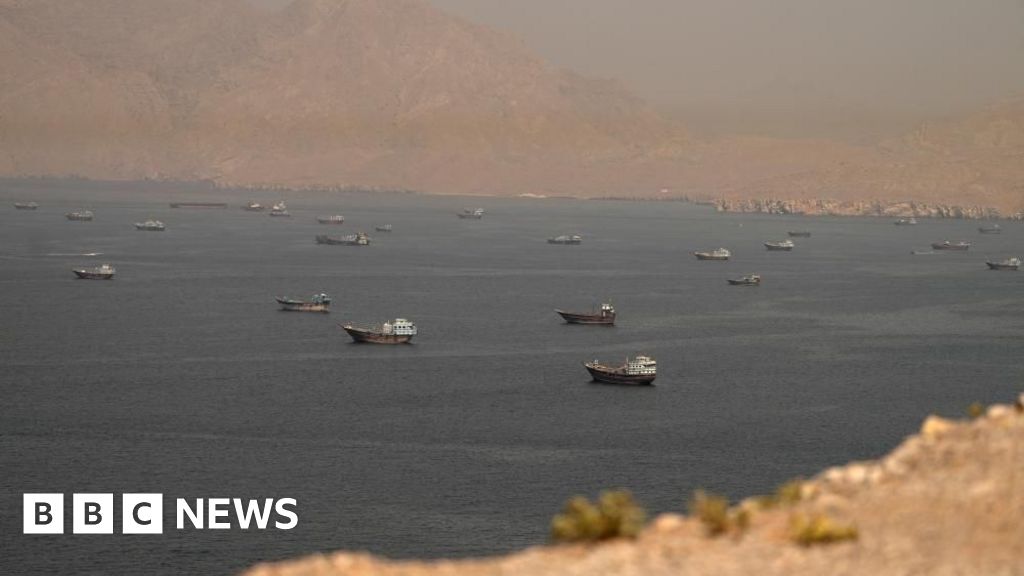
The United States military launched a sweeping offensive against Iranian targets on Wednesday, 8 July 2026, marking a violent departure from a fragile ceasefire agreement established only last month. The escalation, which saw American forces strike more than 80 locations in and near the Strait of Hormuz, was followed by Iranian retaliatory fire directed at military installations in Bahrain and Kuwait. The sudden surge in hostilities has thrown the region’s tentative peace process into disarray and ignited renewed volatility in global energy markets.
According to U.S. Central Command, the American strikes were designed to impose heavy costs for targeting and attacking commercial shipping
in an international waterway. Pentagon officials stated that the operation successfully struck over 60 small boats operated by the Islamic Revolutionary Guard Corps, alongside coastal radar sites, air defense systems, and command networks. The strikes hit multiple areas within Iran, including Bandar Abbas, Sirik, and Qeshm Island. Iranian state media reported that individuals were injured by shell fragments in Sirik and transferred to a hospital in Minab, while a fire was noted at a fishing pier in Bandar Abbas.
Media additions

In a parallel move to exert economic pressure, the U.S. Treasury Department revoked a license that had previously allowed Iran to sell crude oil on the global market. The revocation requires buyers to wind down transactions by 17 July 2026. Iranian officials reacted with condemnation; Parliament Speaker Mohammad Bagher Qalibaf described the military and economic actions as a breach of the memorandum of understanding and declared that the era of bullying and extortion is over
.
The regional security situation deteriorated rapidly on Wednesday as Iran retaliated. The Revolutionary Guard acknowledged launching missile and drone strikes against U.S. Military sites, including the Fifth Fleet headquarters in Bahrain and Ali Al Salem Air Base in Kuwait. Air raid sirens echoed across both Gulf nations, and Kuwait’s military reported that its defenses intercepted incoming threats.
The violence comes as Iran continues to observe funeral proceedings for the late Supreme Leader Ayatollah Ali Khamenei, who was killed in the opening days of the conflict on 28 February 2026. The funeral ceremonies, which have spanned several cities including Tehran, Najaf, and Karbala, are scheduled to conclude on Thursday with a burial at the Imam Reza shrine in Mashhad. His son, Ayatollah Mojtaba Khamenei, is the new Supreme Leader but has yet to make a public appearance during the services.
Conflict Context
The U.S. Military strikes were prompted by reports of three tankers being struck by projectiles near the Strait of Hormuz, including the Qatari-flagged Al Rekayyat and the Saudi-flagged Wedyan. While Iran did not directly claim responsibility for the tanker attacks, it has repeatedly warned that vessels using routes not coordinated with Tehran face heightened risks.
The current hostilities occur against the backdrop of an ongoing war that began on 28 February 2026, following strikes by the United States and Israel. Although an interim ceasefire was signed last month, it has faced consistent strain. U.S. President Donald Trump, currently in Turkey for a NATO summit, has maintained that the U.S. Military remains postured to hold Iran accountable should it fail to adhere to the agreement. Approximately 50,000 U.S. Troops remain stationed in the region.
How significant is this development?
Contribute your assessment to the aggregated reader sentiment ledger.
Frequently Asked Questions
Key questions answered in this reportWhat is the key development in: US launches strikes on Iran and revokes oil sales after shipping attacks?
U.S. forces launched strikes against Iranian military targets following attacks on commercial shipping, triggering retaliatory fire against bases in Bahrain and Kuwait. The escalation has disrupted regional peace efforts and impacted global energy markets.
Why is this World development significant for the UK?
This report covers critical events in our World beat. Independent reporting monitors related UK statements, regulatory shifts, and public responses as further verified details emerge.
How was this reporting corroborated and verified?
Newsarchy UK compiles and cross-references reporting from primary reporting from straitstimes.com and cross-checked wire reports. All coverage adheres to published editorial standards.
When was this report published?
This briefing was published on July 8, 2026 and is permanently cataloged in the Newsarchy UK World archives.