US Army detonates five tons of unstable explosives in Iowa
The US Army destroyed its entire stockpile of degraded lead azide at the Iowa Army Ammunition Plant following legal challenges and community safety concerns.

The US Army has destroyed its entire stockpile of lead azide at the Iowa Army Ammunition Plant, ending weeks of legal battles and community opposition over a blast that could scatter toxic lead dust across the Midwest.
The controlled detonation of nearly five tons of degraded explosives took place on Wednesday, 25 November 2026, at approximately 9am local time at the plant in Middletown, Iowa. The operation involved two rapid-fire explosions inside concrete, earth-covered magazines surrounded by sand-filled Hesco barriers roughly two stories high. The Army said the material had become dangerously unstable after crystallisation made it vulnerable to friction, vibration, heat and shock, and that moving it risked an uncontrolled explosion.
Media additions
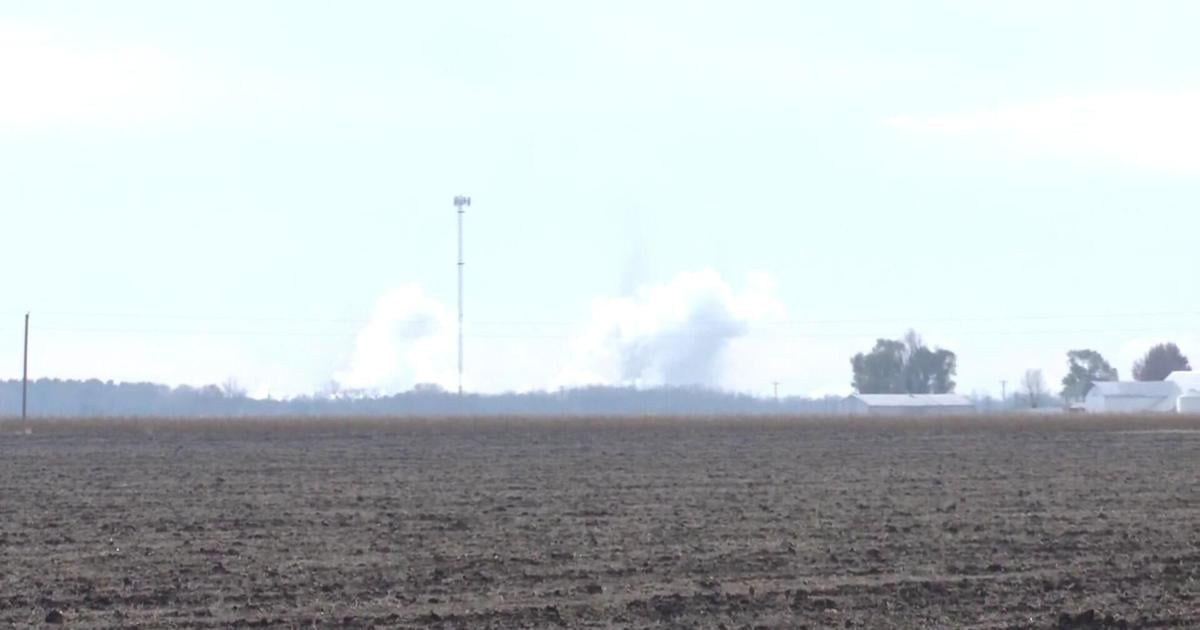

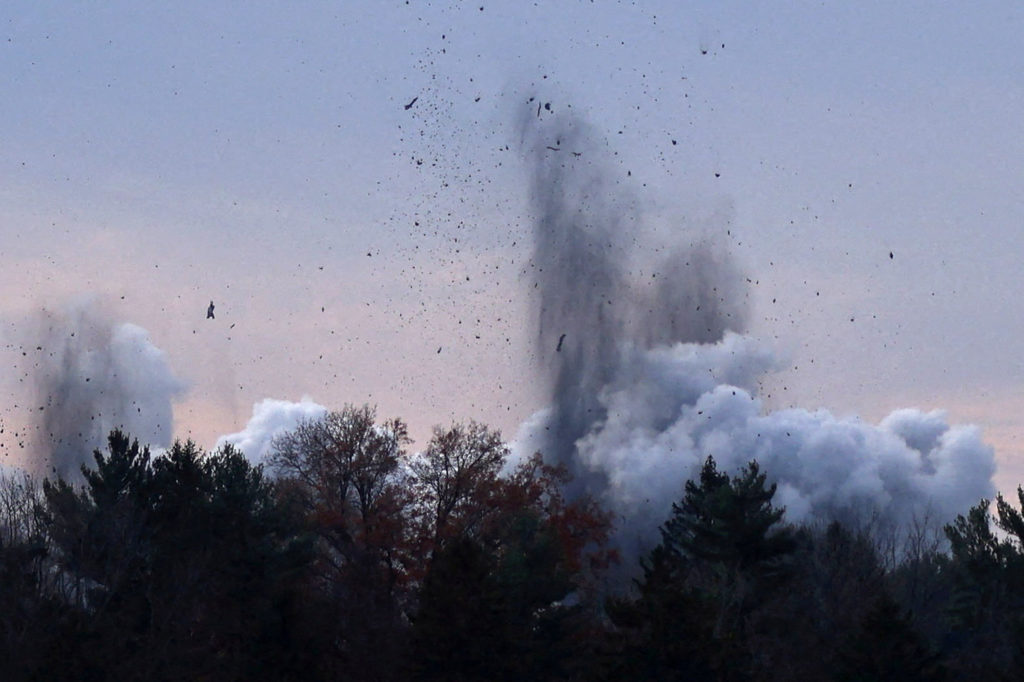
Two loud booms were heard around 9am local time, followed by a pair of wispy white plumes that quickly dissipated, according to an Associated Press reporter who watched the blast from less than a mile away upwind of the plant. Bystanders who gathered roadside laughed and joked about the size of the explosion, with one Burlington resident describing it as “nothing” and accusing the government of putting fear into people “over nothing.”
The detonation marks the disposal of the nation’s entire stockpile of lead azide at the facility. The 68 barrels, containing approximately 9,700 pounds of the substance, were brought to Iowa from bases around the country in 2009, according to Robert Cekada, director of the Bureau of Alcohol, Tobacco, Firearms and Explosives. Staff discovered during a March inspection that the lead azide had partially crystallised, creating a risk of spontaneous detonation as temperatures fell.
| Detail | Figure |
|---|---|
| Lead azide destroyed | Nearly five tons |
| Barrels detonated | 68 |
| Weight of material | Approximately 9,700 pounds |
| Water used for mitigation | More than 100,000 gallons |
| Blast time | Approximately 9am local time, Wednesday 25 November 2026 |
| Evacuation zone | Within 5 miles (8 kilometres) |
| Shelter-in-place radius | Within 20 miles |
| Projected surface deposition zone | 148 square miles |
The Army constructed extensive protective barriers around the blast site, including a water wall containing more than 100,000 gallons of water, earth berms, sand-filled barriers, specialised foam and gel blocks. Ballistic gels and foams were intended to absorb lead dust, and the Army planned to douse the materials with water to tamp down the plume. The Environmental Protection Agency deployed teams to monitor air, water and soil quality before, during and after the operation.
Within 35 minutes of the detonation, EPA air monitors around the ammunition plant were not reporting any lead in the air, according to the Associated Press. The EPA later posted on X that “real-time air monitors are reporting ZERO detection of airborne lead throughout the region.” Missouri Governor Mike Kehoe said initial analysis shared by federal partners and Iowa emergency management indicated that mitigation measures appeared to have worked and that the explosion was well-contained.
President Donald Trump posted on social media that early reports showed the “Army’s mitigation efforts have far exceeded expectations.”
The operation went ahead after the Eighth US Circuit Court of Appeals lifted an administrative stay that had temporarily halted the Army’s environmental permit. Environmental groups, including the Iowa Environmental Council and the Sierra Club’s Iowa chapter, had challenged the plan over concerns about lead contamination and the potential impact on nearby communities.
Residents within a 20-mile radius were instructed to shelter indoors with windows closed, while people in the immediate impact zone had been advised to evacuate before the detonation. Government officials encouraged residents within 5 miles of the site to evacuate to avoid lead dust in the air. Schools that were not already closed for the Thanksgiving holiday canceled classes, and a gas station near the detonation site posted a note on the front door saying it would reopen once it was safe.
Some residents expressed resignation mixed with concern. “I don’t think lead danger goes away any time soon,” said Lucy Giehl, who lives nearby in West Burlington. “It seems someone might have thought about all of this a little sooner before it came to this.”
Lead is a heavy metal that is not safe at any level and is especially dangerous to children and pregnant women. It can enter the body through contaminated food, water or dust and fumes, leading to health issues including impeded growth, learning disorders and damage to the brain and nervous system. The CDC says children under age six are most susceptible to lead poisoning.
The detonation was originally planned for last Friday but was delayed three times amid public backlash and to allow more time for safety measures and favorable wind, according to court documents. President Trump weighed in on Monday, saying he had ordered the military to postpone the planned detonation until the appeals court cleared the way. The federal appeals court ultimately denied the emergency motion and lifted the administrative stay, allowing the operation to proceed.
“Inaction is no longer an option,” said Maj. Gen. Eric Shirley, the Army’s leader of the operation. Acting Secretary of the Army Adam Telle said the public should not panic.
The Centers for Disease Control and Prevention activated an emergency response to assist with the Iowa detonation, supporting Iowa’s health department to help protect people from potential lead and air pollution exposure. Iowa Governor Kim Reynolds issued a disaster emergency proclamation for several counties, and up to 100 federally activated Iowa National Guard soldiers were to assist with evacuation efforts, including outreach to approximately 150 households identified by local and federal authorities.
Illinois and Missouri were also bracing for potential impacts, though officials in both states said they expected them to be minimal. Officials overseeing the detonation said the wind on Wednesday was expected to carry the plume southwest toward Missouri and away from nearby Burlington, a city of just under 25,000 people that sits along the Mississippi River. But hundreds of homes and farms still could be in the path.
Authorities are now focused on assessing the environmental impact and determining whether any lead particles have spread beyond the plant. The latest available reports confirm that the explosion took place and that initial assessments were encouraging. They do not yet establish that all surrounding areas are free from lead contamination.
What to watch next
- The EPA and state agencies will continue monitoring air, water and soil for lead contamination beyond the plant.
- The Army has said it will release further updates once its initial assessment is complete.
- Residents in Iowa, Illinois and Missouri await guidance on when it is safe to return home and reopen schools and businesses.
For more international coverage, visit our World section.