Andy Burnham insists he is listening to Wales amid devolution row
Prime Minister Andy Burnham faces backlash from Welsh leaders after refusing to devolve policing, justice, and rail infrastructure to the Senedd.

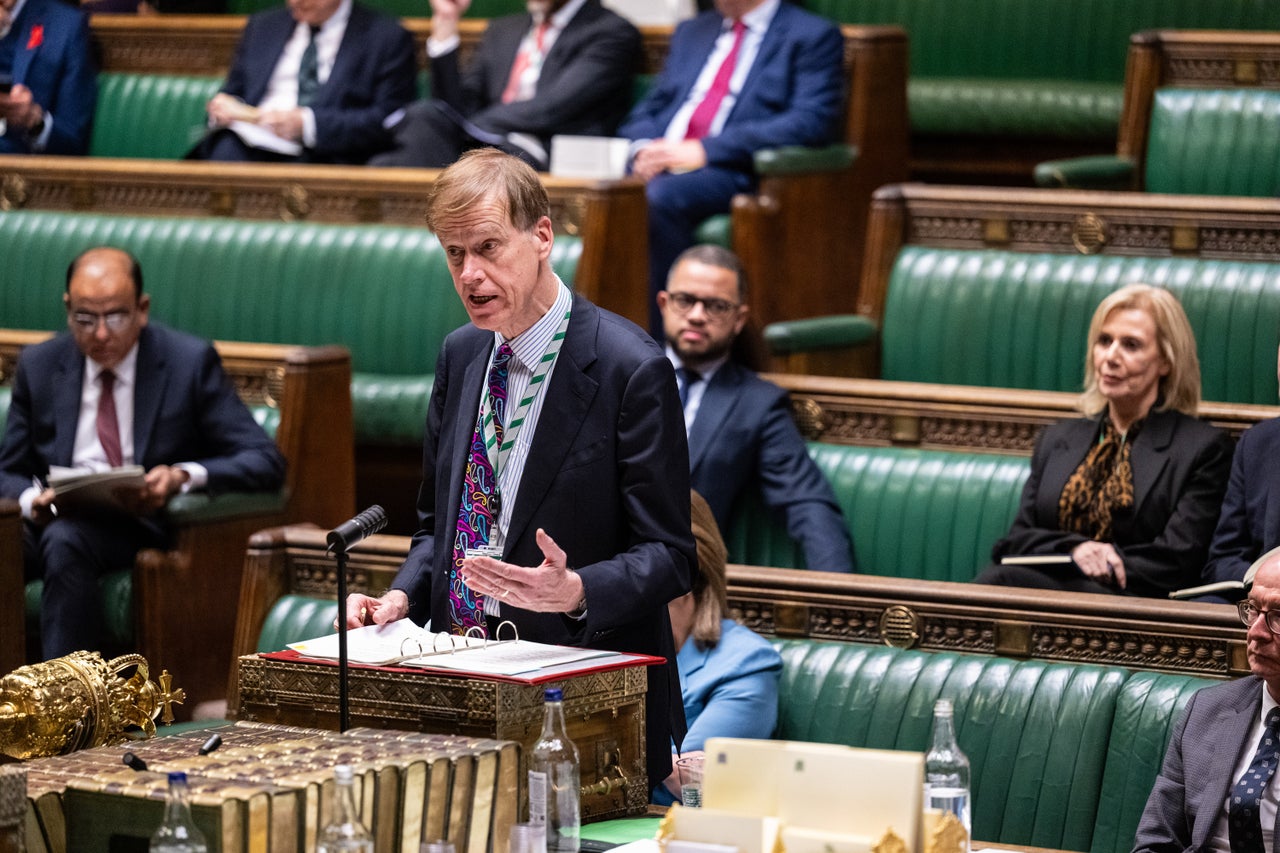
Prime Minister Andy Burnham has told MPs he is listening to Wales, a week after he refused to consider substantial further powers for the Senedd.
The intervention comes after Burnham published a five-page letter to First Minister Rhun ap Iorwerth in which he said he and the cabinet had not been "persuaded" that rail infrastructure, the Crown Estate, and policing and justice should be devolved to Wales. Ap Iorwerth responded that the prime minister "doesn't view Wales as an equal", telling Wales Online he was "gobsmacked" by the refusal.
Media additions


Burnham has offered employment support as the one area where he sees "common ground", telling the Commons he will "never completely rule things out" on other powers but that this is the issue the two governments should work on first. The Welsh government and the UK government already agreed on the devolution of employment support funding in March, when Labour were still in charge.
Plaid Cymru Caerfyrddin MP Ann Davies used Prime Minister's Questions to press Burnham on the timing of his decision. "When exactly did you decide Wales is no longer worth listening to?" she asked. She accused him of overruling the mandate given by the people of Wales for more responsibility at May's Senedd election, and of dismissing calls from all 22 Welsh councils, TUC Cymru, and two former Welsh Labour first ministers, Carwyn Jones and Mark Drakeford.
"When it comes to England, he believes power should be pushed out of Westminster. When it comes to Wales, he is determined to keep it in."
Ann Davies MP, Plaid Cymru, via BBC
Burnham replied that he had met the first minister a number of times and had put an offer on the table of deeper devolution around employment support. "Let's work first where we've got a clear case and common ground so we have more young people in Wales into work and into good jobs," he said.
Ap Iorwerth has demanded a meeting after the letter was published on Friday. In his response, he said he was pleased to have taken a step forward on fiscal flexibility and that his proposal for a Partnership for Growth would be at the heart of discussions on the economy, but called the prime minister's reply "deeply disappointing". He argued that the refusal to explore the devolution of the Crown Estate, justice and policing, and rail infrastructure proves that Burnham does not view Wales as an equal nation, noting that all the powers requested are available to the Scottish government and parliament.
The requests are also Welsh Labour policy and had been pursued by previous Labour administrations in Cardiff. Former First Minister Carwyn Jones said he did not know what the letter was meant to achieve, adding: "We lost a bulk of people to Plaid Cymru." News of the letter was welcomed by former Welsh Reform leader Dan Thomas, who said on X: "Good! Plaid and Welsh Labour have failed with their existing powers."
Welsh Conservative Senedd leader Darren Millar characterised the debate as an "unnecessary distraction from the real issues residents are facing around the cost of living, the longest NHS waiting lists in Britain, lower educational attainment and stagnating economic growth".
On Tuesday, the first minister called for a "new alliance" to fight for further powers, following support from the trade union body TUC Cymru. Burnham has encouraged the Welsh and Scottish governments to devolve more power to communities since becoming prime minister.
| Power area | Burnham's position | Welsh government position |
|---|---|---|
| Employment support | Open to devolution; calls it common ground | Already agreed funding devolution with UK government in March |
| Rail infrastructure | Not persuaded of the case | Demands devolution; says Wales denied fair share of rail investment |
| Crown Estate | Not persuaded of the case | Backed by all 22 Welsh councils; wants control of natural resources |
| Policing and justice | Not persuaded of the case | Demands devolution; says current settlement is unfair and unsustainable |
The devolution row is unfolding against a separate pressure on Burnham's premiership. The UK faces a prisons crisis amid a row over the early release of cop killers, with the Sentencing Act 2026 set to allow prisoners in England and Wales serving fixed, determinate sentences to be released as early as one-third of the way through their jail time. Prison services are devolved in Scotland and Northern Ireland, but remain centrally controlled in England and Wales.
Burnham, who took over as prime minister last month after Keir Starmer's ousting, paused the early release scheme for review following public backlash over the news that two of the killers of Police Constable Andrew Harper could benefit. He later said the Act would no longer apply to those guilty of rape, serious child sex and other grooming offences, reducing the number of inmates eligible for early release to around 5,000 rather than the previously estimated 6,000. He also moved the start date back by one month to October.
Experts say the British prison system is on the verge of collapse. According to the Institute for Government, the prison population has doubled over the past 30 years despite falling crime rates, and men's prisons are currently 97 percent full. Research by the Prison Reform Trust found that between 2024 and 2025, almost three-quarters of prisons in England and Wales were overcrowded, with more than 21,600 people held in overcrowded accommodation.
Burnham has vowed to take concerns on board but said he would see the policy through. "I am doing all I can," he wrote on X. "But it is simply not possible to prevent all offenders from being released early without the prison system collapsing."
What happens next: ap Iorwerth has demanded a meeting with the prime minister, and the first minister has called for a "new alliance" to fight for further powers, backed by TUC Cymru. Burnham has indicated employment support is the starting point for deeper devolution talks, while maintaining he will not completely rule out other powers in the future. The early release scheme is due to begin in October, subject to the review Burnham ordered.