Trump says Army will not detonate bomb-making chemicals in Iowa without court approval
President Trump halted the U.S. Army's planned controlled detonation of degraded explosives in Iowa, conditioning the operation on court and gubernatorial approval.
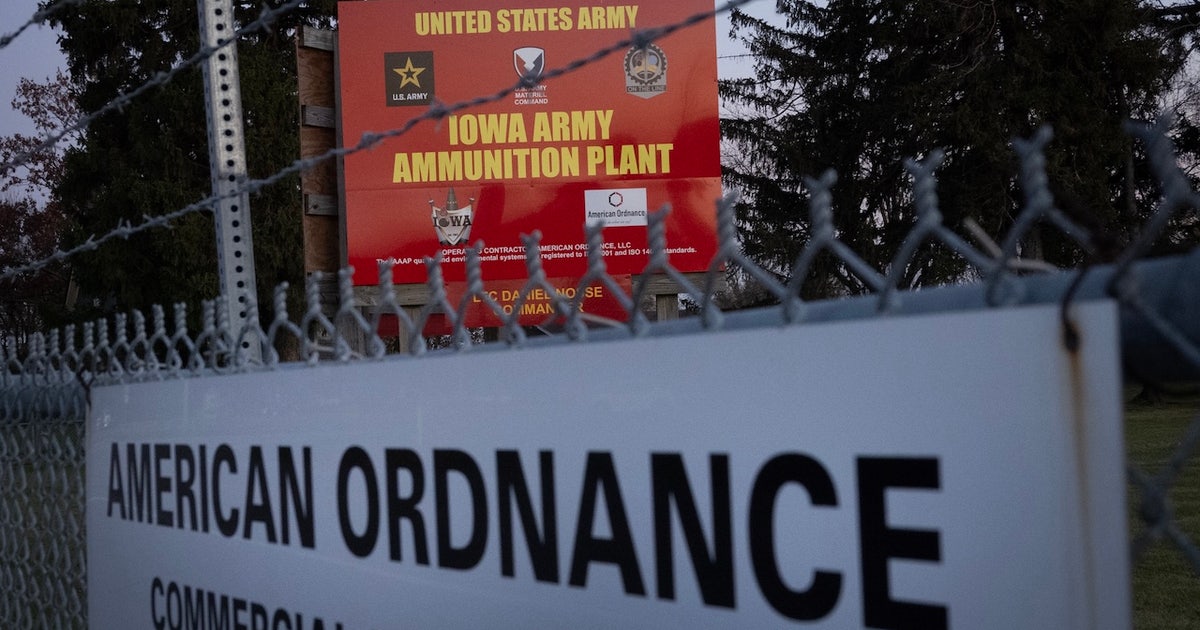
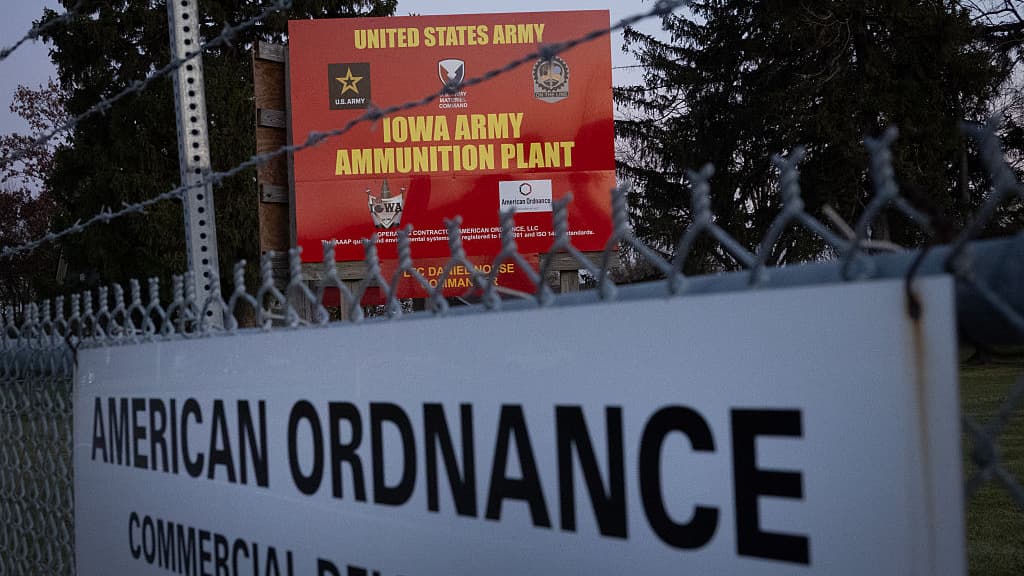
President Donald Trump ordered the U.S. Army to halt its planned controlled detonation of degraded lead azide at the Iowa Army Ammunition Plant in Middletown, Iowa, unless the U.S. Court of Appeals for the Eighth Circuit and incoming Governor-elect Rob Sand approve the operation, reversing the military's trajectory on Monday, 23 November 2026.
The directive came after the Army had pushed the detonation date back multiple times amid legal challenges and public outcry over potential lead exposure. Originally set for last Friday, the blast was most recently scheduled for Wednesday, with the Army citing favorable weather conditions. The operation involves 68 barrels containing roughly 10,000 pounds of deteriorating lead azide, a primary explosive used in munitions production that has degraded over nearly two decades underground.
Media additions

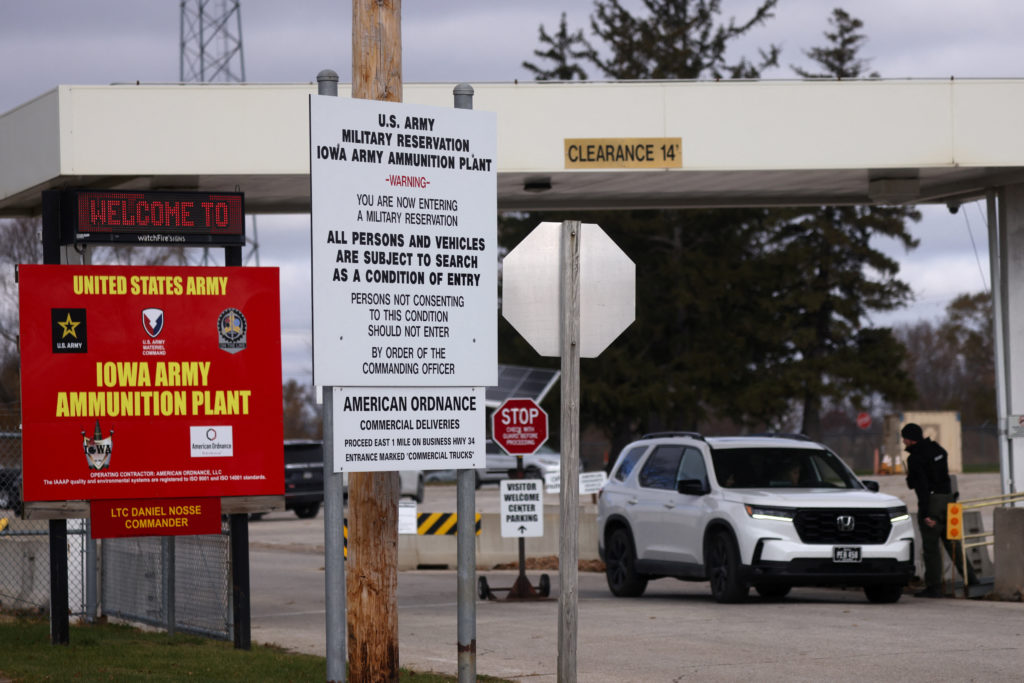
Writing on Truth Social, Trump defended the military's assessment that a controlled blast is safer than allowing the aging chemicals to fester. He attributed the hazardous stockpile to the Obama administration, which he said improperly stored the materials in 2009.
"In 2009, the Obama Administration improperly stored a vast number of explosives, and the Experts, who know it well, and have been studying it for many years, feel there is a substantial chance that this material will explode of its own volition, perhaps sometime in the near future. We have an opportunity to do a highly controlled detonation of these dangerous and rapidly corroding materials."
Donald Trump, President, via Truth Social
Despite supporting the detonation as the correct course of action, Trump conditioned the plan on the Eighth Circuit and Sand agreeing to move forward. He warned that if the court or Sand object, the administration will cancel the controlled removal and hold the incoming governor responsible for any resulting damage.
The legal standoff began when environmental groups sued the Environmental Protection Agency over its emergency permit for the detonation. The Eighth Circuit granted an administrative stay on Nov. 19, freezing the permit while the court reviews its validity. The Justice Department subsequently notified the court that the Army would proceed anyway under emergency munitions exemptions, citing an immediate risk that the materials could spontaneously explode as temperatures drop below 30 degrees Fahrenheit.
Army Col. Aaron Teller, a munitions emergency response specialist, explained in court filings that less liquid inside the barrels means the solution inside is more susceptible to freezing, which increases the sensitivity of crystals that have formed around the inside of the rim and underside of the lids. "Even a small amount of friction can break the crystal formation, causing an explosive chain reaction," he said in his declaration to the court.
Military and EPA officials argued that physical handling or chemical neutralization carried an unacceptable risk of a fatal, accidental detonation, leaving open-air destruction as the sole viable option. According to EPA documents, alternatives such as neutralizing and decomposing the drums' contents with other chemicals were considered, but officials said handling the drums would increase the probability of an accidental, fatal detonation.
Environmental groups countered that the government failed to thoroughly study alternatives or provide adequate public notice. The Iowa Environmental Council and Sierra Club argued that the detonation could spread lead dust across a large area, potentially reaching communities more than 100 miles from the plant. The groups also alleged that some potentially impacted communities were not given direct or timely notice, with many residents learning of the planned detonation through friends and social media.
Public health concerns intensified as mapping models showed a potential toxic lead dust plume stretching across the region. Health officials noted that lead is a potent neurotoxin with no safe exposure level, posing severe risks to young children and pregnant women. Local authorities in Iowa and neighboring Illinois issued shelter-in-place advisories, urging residents to close windows and wash exterior surfaces following any blast.
State and local leaders expressed deep frustration over the unfolding crisis. Governor-elect Rob Sand stated on Sunday that no good options remained due to previous missteps.
"No good options exist and the situation is more dangerous and unpredictable than it ever should have been."
Rob Sand, Governor-elect of Iowa, via social media
Sand questioned why a contract to remove the explosive risk was canceled, why nothing was done, and why officials were rushing to demolition in late November. He called for transparency over how the situation developed and said Iowans deserve answers and accountability.
Illinois Gov. JB Pritzker said he spoke with the Army, the EPA, and other agencies about the planned detonation, adding that he was continuing to press for the release of more public information to help keep Illinoisans safe. Illinois agriculture officials recommended keeping livestock and pets indoors until the plume passes, followed by rigorous washing.
Iowa Gov. Kim Reynolds activated a state emergency operations center on Nov. 20, and the Federal Aviation Administration restricted flights around Middletown from Monday through Wednesday.
| Action / Event | Details Reported by Outlets |
|---|---|
| Initial Discovery | 68 barrels of degraded lead azide found in underground concrete bunkers at the Middletown facility in March. |
| Planned Detonation Timeline | Originally set for Friday, pushed back multiple times, and most recently scheduled for Wednesday. |
| Legal Challenge | Environmental groups sued the EPA, prompting the Eighth Circuit to issue an emergency administrative stay on Nov. 19. |
| Emergency Override | The Justice Department notified the court that the Army would proceed anyway under emergency munitions exemptions. |
| Presidential Reversal | Trump announced on Monday that the military must obtain approval from the Eighth Circuit and Governor-elect Rob Sand. |
What happens next
- The Eighth Circuit Court of Appeals must rule on the validity of the EPA's emergency permit and the environmental groups' lawsuit.
- Governor-elect Rob Sand must decide whether to grant state-level consent for the operation.
- The U.S. Army has not yet issued a formal public response to the president's pause directive.