United States eyes Gulf troop pullback after bases damaged in Iran war
Washington is considering scaling back its military presence in the Persian Gulf following facility damage during the ongoing conflict with Iran.
- Core Development: Washington is considering scaling back its military presence in the Persian Gulf following facility damage during the ongoing conflict with Iran.
- Beat Context: Categorized under World with independent corroboration.
- Reporting Depth: 4 minute analytical read synthesized from verified newsroom sources.
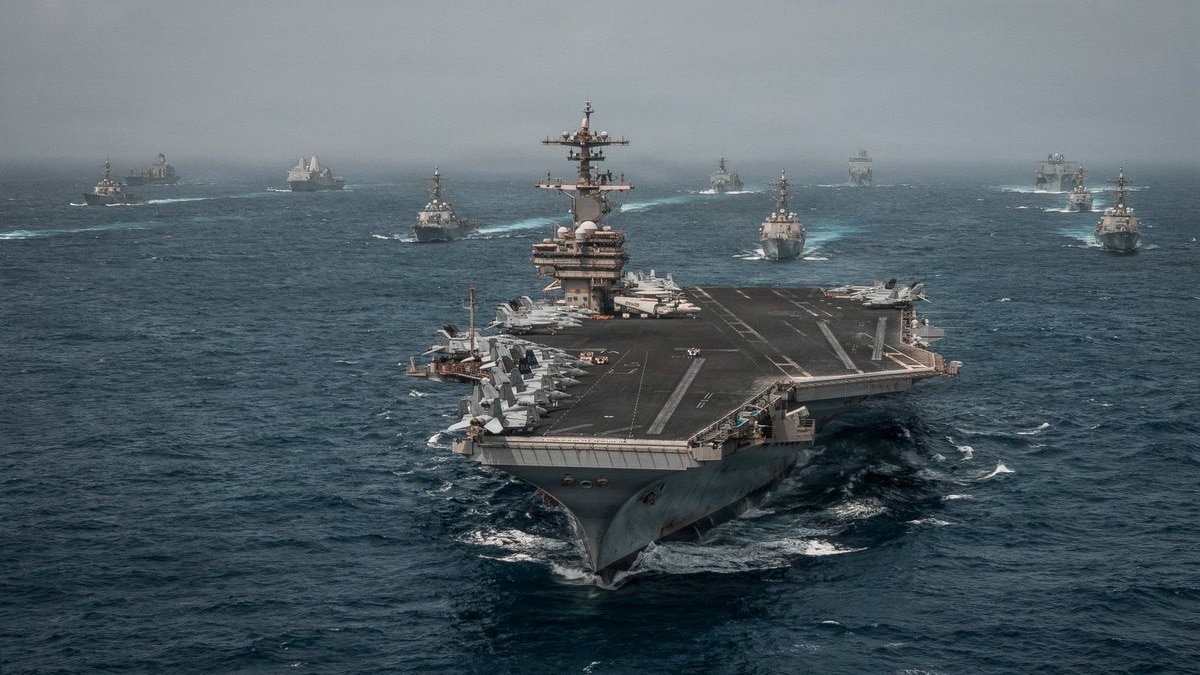
Washington is weighing a reduction of its military footprint in the Persian Gulf after a series of strikes damaged U.S. Bases and support facilities during the six‑month conflict with Iran. The move, reported by The Washington Post via India Today, could reshape how America projects power across a region already strained by missile alerts, trade bans and a collapsed 14‑point memorandum of understanding (MoU) that expired on August 17.
The damage to U.S. Installations was confirmed in the wake of joint U.S.–Israeli air strikes that began on February 28, when President Donald Trump announced “major combat operations” against Iran. The Defense Department is now assessing whether to relocate some troops and facilities further west, to Jordan and Israel, as it looks for a “once‑in‑a‑generation chance” to rethink its long‑term Gulf presence.
Media additions
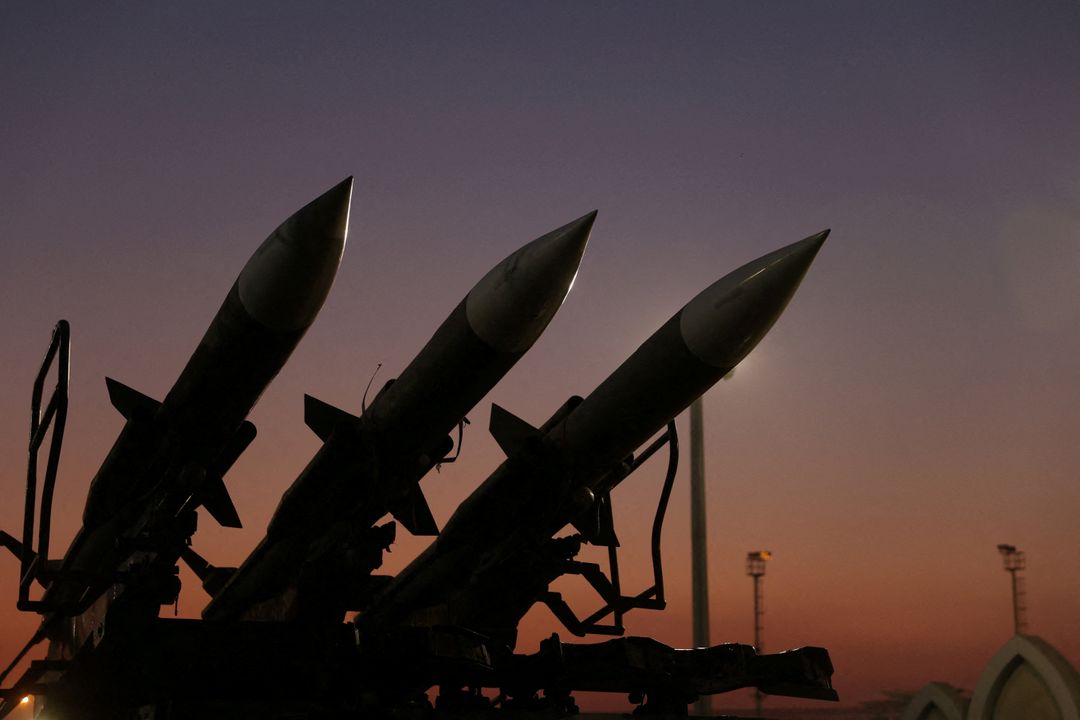

For the United Arab Emirates, the war has turned from a distant security worry into an immediate crisis. On Tuesday, the UAE Ministry of Defence posted on X that “UAE air defences detected two ballistic missiles launched from Iran toward the country, with the first falling outside the country's territorial waters, while the second fell within the territorial waters.”
"UAE air defences detected two ballistic missiles launched from Iran toward the country, with the first falling outside the country's territorial waters, while the second fell within the territorial waters,"
UAE Ministry of Defence, via X, TRT World
In response, the interior ministry issued a brief phone alert, urging residents to “immediately seek a safe place in the closest secure building.” The warning was lifted ten minutes later when the missiles splashed harmlessly into the sea. The episode marked the first emergency alert in the UAE since July 12, a gap of 37 days, and came just a day after the MoU governing U.S.–Iran de‑escalation lapsed.
Tehran, however, has vehemently denied any involvement. Iranian Foreign Ministry spokesperson Esmaeil Baghaei called the UAE’s accusations “baseless” and warned of “false‑flag operations.” The statement echoes earlier denials posted on state media, where the spokesperson said the allegations “disrupt the principle of good neighbourliness” and jeopardise regional trust‑building efforts.
UAE officials nevertheless proceeded to suspend all trade and financial activity with Iran “until further notice,” as reported by TRT World. The suspension follows the defence ministry’s missile detection and adds to a series of economic measures taken by Gulf states to pressure Tehran.
Amid the escalating tit‑for‑tat, the United Kingdom Maritime Trade Organization (UKMTO) issued an alert on Tuesday that a vessel was struck by an “unknown projectile” while transiting the Strait of Hormuz. The impact damaged the engine room and resulted in a crew casualty, with the remaining crew receiving assistance from the Omani Coast Guard.
Iran’s parliamentary speaker Mohammad Bagher Ghalibaf told the Iranian parliament that the Strait would remain closed until the United States lifts the blockade, releases frozen assets, ends the oil embargo and halts all military operations, as stipulated in the now‑defunct MoU. His remarks, covered by Yahoo News, underscore Tehran’s readiness to keep the vital shipping lane shut, a move that could further strain global energy markets.
President Trump, for his part, posted a map on social media labeling the Strait of Hormuz “new US territory.” The same post asserted that the waterway was “open and operating” and that “all water mines have been removed or detonated.” His claim, presented without comment, was followed by a public denial from Iranian Deputy Foreign Minister Kazem Gharibabadi, who described the image as a “delusion.”
"Just as Trump correctly wrote the name of the eternal Persian Gulf, his delusion regarding the Strait of Hormuz will soon either be corrected, or we will correct the delusions of this delusional man,"
Kazem Gharibabadi, Deputy Foreign Minister, via Yahoo News
U.S. Officials have not ruled out a formal pullback. The Pentagon is reportedly studying options to shift forces “further west,” a phrase that could encompass Jordanian air bases or Israeli facilities already hosting American refuelling aircraft. The consideration comes as the United States also faces a domestic cyber‑security issue: the Justice Department has charged 17 members of Iran’s Mabna Institute with a campaign that compromised roughly 8,000 accounts at U.S. And foreign universities, after targeting more than 100,000 professors worldwide.
On the commercial front, the United Arab Emirates’ state‑owned oil company ADNOC has suffered repeated attacks on its tanker fleet. As of August 18, the company reported 18 vessels hit, one crew member killed and 20 injured, signaling a sustained threat to Gulf energy exports.
Key developments in the Gulf conflict
- Feb 28, 2026 – President Trump announces major combat operations against Iran.
- June 2026 – The United States and Iran sign a 14‑point
How significant is this development?
Contribute your assessment to the aggregated reader sentiment ledger.
Frequently Asked Questions
Key questions answered in this reportWhat is the key development in: United States eyes Gulf troop pullback after bases damaged in Iran war?
Washington is considering scaling back its military presence in the Persian Gulf following facility damage during the ongoing conflict with Iran.
Why is this World development significant for the UK?
This report covers critical events in our World beat. Independent reporting monitors related UK statements, regulatory shifts, and public responses as further verified details emerge.
How was this reporting corroborated and verified?
Newsarchy UK compiles and cross-references reporting from primary reporting from khaleejtimes.com and cross-checked wire reports. All coverage adheres to published editorial standards.
When was this report published?
This briefing was published on August 18, 2026 and is permanently cataloged in the Newsarchy UK World archives.