US missiles strike Iran as de‑escalation path remains uncertain
US missiles struck Iranian targets following thirteen straight nights of air attacks, prompting retaliation and casting uncertainty on de-escalation.
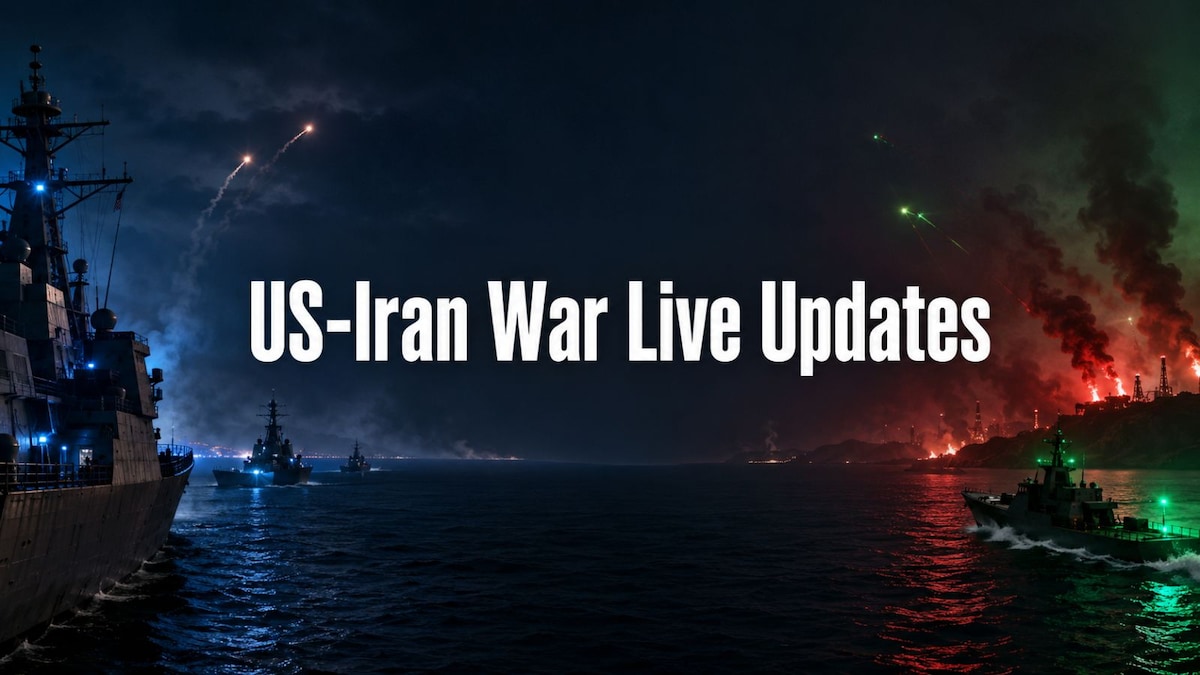
- Core Development: US missiles struck Iranian targets following thirteen straight nights of air attacks, prompting retaliation and casting uncertainty on de-escalation.
- Beat Context: Categorized under World with independent corroboration.
- Reporting Depth: 4 minute analytical read synthesized from verified newsroom sources.
US missiles struck Iranian targets on 24 July 2026, marking the thirteenth straight night of air attacks and prompting Tehran to fire at US bases in neighbouring Arab states, a development that has pushed the already fragile de‑escalation path into new uncertainty.
What changed
Late on Thursday and early on Friday the United States launched strikes that hit a Revolutionary Guards Navy headquarters in the Caspian Sea province of Gilan, the port city of Bandar Anzali, and the southwestern city of Ahvaz, where four people were killed and five injured, according to Iran’s state broadcaster IRIB.
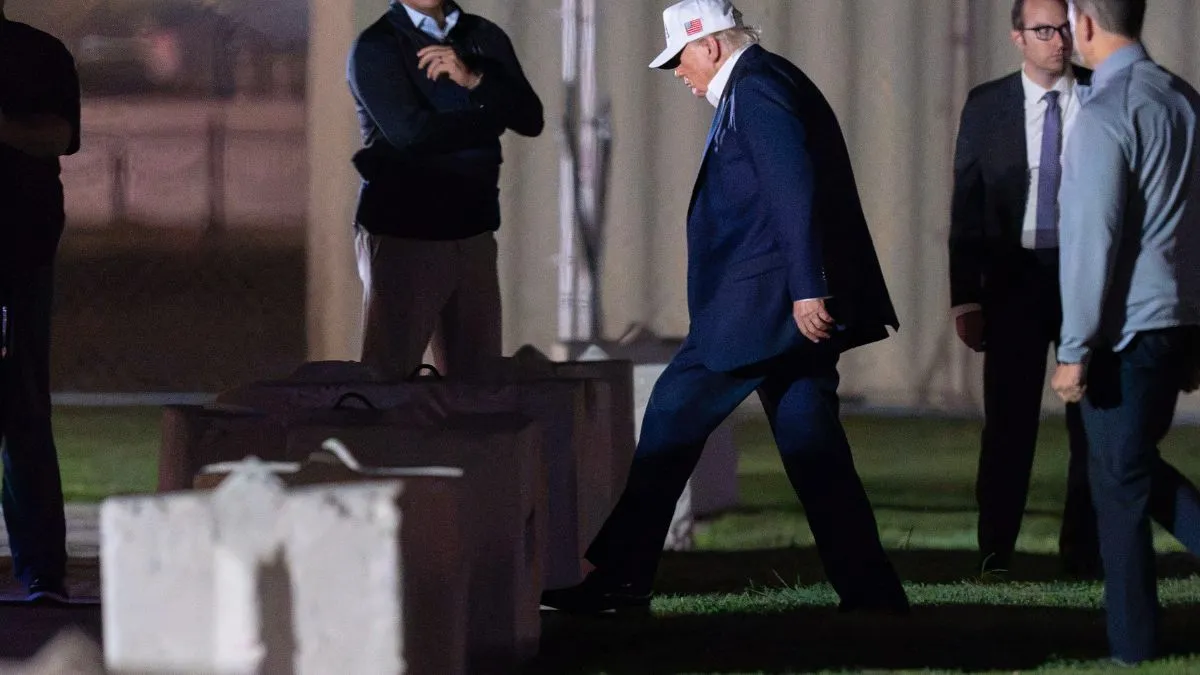
President Donald Trump, speaking to reporters at the White House, said the United States was “talking” with Iran but also warned that a “major military punishment” loomed if Tehran and its Houthi allies continued attacks on Saudi shipping in the Red Sea. He left the decision on expanded strikes “open”, noting two possible routes: “a military exit where we just keep going… or a smarter strategy that you make a deal.”
“We are talking to them. I think they're being serious… but that doesn't mean we get there,”
Donald Trump, President, via TBS News
Iran’s Revolutionary Guards warned Gulf populations that US personnel could become targets in “buildings in cities” used for “crimes”, while Iran’s foreign minister Abbas Araghchi warned that any country assisting the United States would bear “international responsibility”.
“Any participation, cooperation or assistance in committing aggression against Iran will create international responsibility for the relevant parties,”
Abbas Araghchi, Iranian Foreign Minister, via CBS News
Broader regional pressure
Iran’s attacks have not been confined to US bases. The Iranian army claimed drone strikes on US facilities in Bahrain and Jordan, targeting fuel tanks, warehouses and barracks at Isa Air Base and Al‑Azraq. An AFP journalist in Bahrain reported an explosion and warning sirens after the Iranian‑claimed drone swarm.
The Houthis, Iran’s Yemeni proxy, announced a naval blockade of Saudi Arabia and struck two Saudi‑flagged tankers in the Red Sea’s Bab el‑Mandeb Strait. The attacks forced several tankers to reroute through the Suez Canal, a longer path that strained global oil supplies. Oil benchmarks surged past $100 per barrel for the first time since May, before Brent futures slipped back to just over $96 by mid‑afternoon GMT on Friday.
In response, the Saudi‑led coalition in Yemen conducted strikes on Houthi sites in the Hodeidah governorate, with Saudi forces saying they hit facilities belonging to the state telecommunications corporation and targeted Kamaran Island.
Diplomatic undercurrents
China‑Pakistan mediation efforts surfaced after Pakistani officials reported exploratory talks following Iran’s interior minister’s visit to Islamabad. Meanwhile, Iran’s delegation at the Shanghai Cooperation Organisation (SCO) meeting in Kyrgyzstan signalled a desire to discuss the conflict with both Moscow and Beijing.
Iran’s state media broadcast a warning for people across West Asia to stay at least 500 metres away from US military facilities, echoing a message on the X platform that framed the US as a “terrorist enemy”.
Human toll
Iran’s health ministry said 59 people had been killed and 666 wounded since the late‑June resurgence of clashes. The Ahvaz strike alone accounted for four of those deaths. US casualties remain at 18 service members killed, with the Pentagon reporting 100 wounded since 7 July, though the exact numbers shifted after a temporary data disruption.
What’s at stake
- US‑led airstrikes continue to target Iranian drone sites, command centres and energy infrastructure, aiming to “diminish the threat Iran poses to civilian mariners and commercial vessels transiting the Strait of Hormuz”.
- Iran’s retaliation against US bases in Bahrain, Jordan and Kuwait raises the risk of broader regional escalation.
- The Houthi naval blockade threatens the Red Sea’s role as a critical alternative to the Strait of Hormuz, already choked by Iranian restrictions.
Timeline of the latest escalation
| Date | Event |
|---|---|
| 24 July 2026 | US missiles hit Gilan, Bandar Anzali and Ahvaz; four killed in Ahvaz. |
| 24 July 2026 | Iran fires at US bases in Kuwait, Bahrain and Jordan; claims drone strikes on US facilities. |
| 24 July 2026 | Houthis strike two Saudi tankers in the Red Sea, prompting Trump’s “major military punishment” warning. |
| 24 July 2026 | Trump says US is “talking” with Iran but keeps options open for larger strikes. |
| 24 July 2026 | Iranian foreign minister warns of international responsibility for any country aiding the US. |
What to watch next
- Potential diplomatic overtures in Islamabad and at the SCO meeting – Pakistani sources say talks could resume.
- Congressional response in Washington – the House recently voted on a resolution to end US combat operations against Iran, while the Senate debate continues.
- Continued humanitarian impact – UN agencies have called for evacuation of stranded seafarers and delivery of essential supplies.
How significant is this development?
Contribute your assessment to the aggregated reader sentiment ledger.
Frequently Asked Questions
Key questions answered in this reportWhat is the key development in: US missiles strike Iran as de‑escalation path remains uncertain?
US missiles struck Iranian targets following thirteen straight nights of air attacks, prompting retaliation and casting uncertainty on de-escalation.
Why is this World development significant for the UK?
This report covers critical events in our World beat. Independent reporting monitors related UK statements, regulatory shifts, and public responses as further verified details emerge.
How was this reporting corroborated and verified?
Newsarchy UK compiles and cross-references reporting from primary reporting from cnbctv18.com and cross-checked wire reports. All coverage adheres to published editorial standards.
When was this report published?
This briefing was published on July 25, 2026 and is permanently cataloged in the Newsarchy UK World archives.