US and Saudi forces strike Iran-backed militias in Iraq following missile attack
US and Saudi Arabian forces launched coordinated airstrikes against Iran-aligned militia sites across Iraq, killing at least 20 fighters following an Iranian missile attack on Jordan.
- Core Development: US and Saudi Arabian forces launched coordinated airstrikes against Iran-aligned militia sites across Iraq, killing at least 20 fighters following an Iranian missile attack on Jordan.
- Beat Context: Categorized under World with independent corroboration.
- Reporting Depth: 4 minute analytical read synthesized from verified newsroom sources.
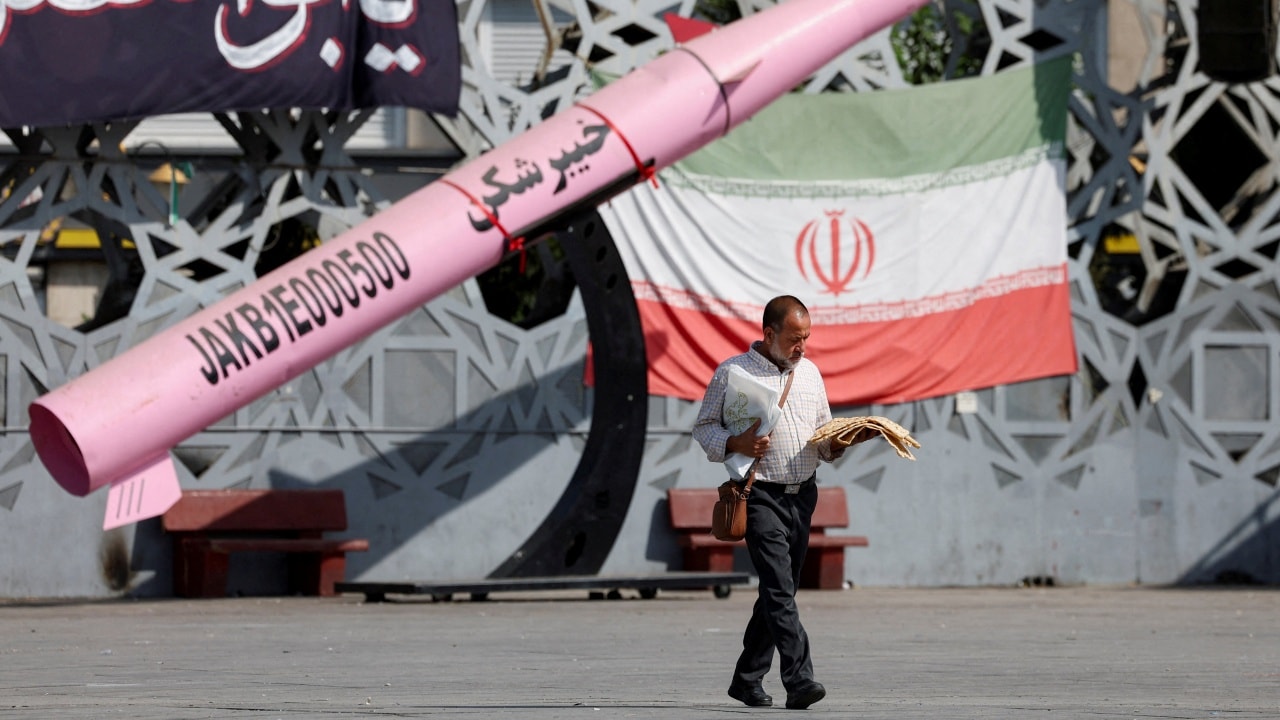
U.S. Central Command announced that a coordinated air campaign with Saudi Arabian forces hit Iran‑aligned militia sites across Iraq on Tuesday, hours after Iran’s Islamic Revolutionary Guard Corps launched a barrage of ballistic missiles that U.S. And Jordanian air defenses intercepted. The strikes killed at least 20 fighters and wounded 32 members of Iraq’s Popular Mobilisation Forces (PMF), a development that could widen the regional conflict and threaten the fragile pause in hostilities that had held since the previous weekend.
The missile launch, described by the U.S. As an “attempted surprise attack,” took place at 5:45 p.m. ET Tuesday by the Iranian Revolutionary Guards. According to CBS News, the rockets were aimed at a U.S. Base in Jordan and at CENTCOM’s command centre in the same country. All missiles were “successfully intercepted,” CENTCOM said, and Jordan’s armed forces confirmed that its air‑defence systems destroyed five Iranian missiles targeting its territory.
Media additions
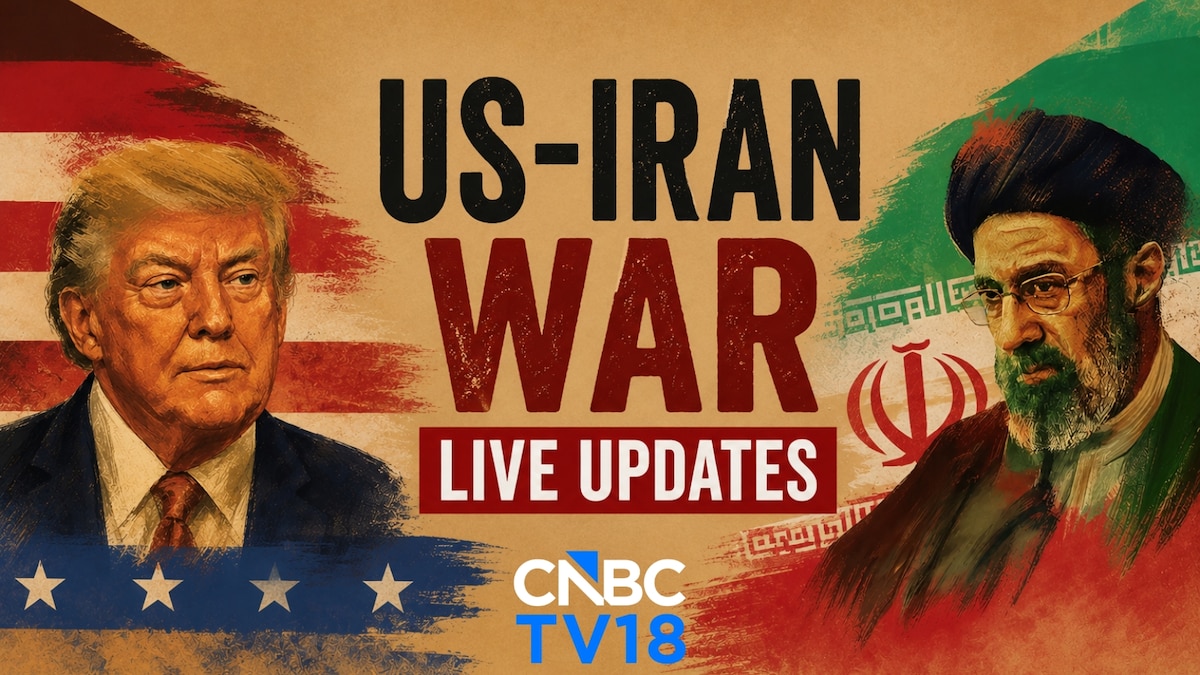
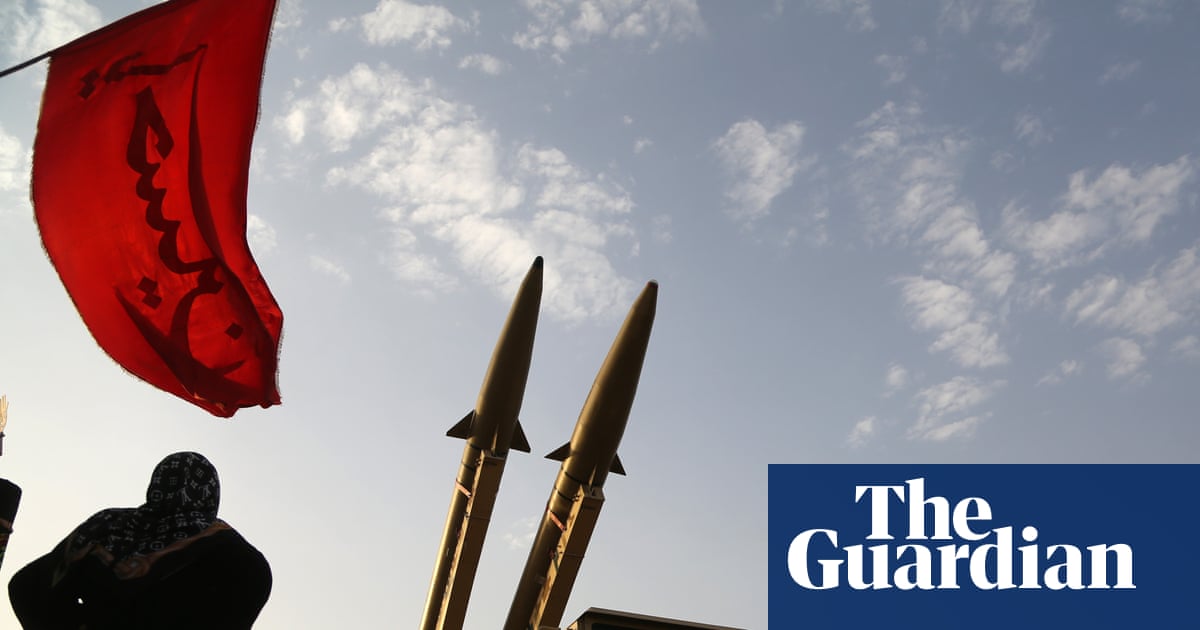
Within hours, U.S. Fighter jets and Saudi warplanes struck “multiple terrorist logistics and weapons sites across eastern Iraq,” according to a CENTCOM statement reported by Euronews. The Saudi Defence Ministry posted that the operation was carried out in self‑defence after “drones attempted to attack Saudi oil facilities.” The United Arab Emirates‑based outlet added that the coalition’s response was prompted by “over 30 IRGC‑directed aerial drone attacks in the last 72 hours.”
Casualty figures came from the PMF itself. The umbrella paramilitary group, which dominates Iraq’s Shia militia landscape, said its headquarters in Baghdad, Wasit, Nineveh, Basra, Kirkuk, Karbala and Diyala were hit. It reported at least 20 fighters killed and 32 wounded, noting that the numbers were preliminary and could rise. Moneycontrol echoed the same figures and added that the PMF’s statement said the attacks caused “significant damage to buildings, vehicles and military equipment.”
The missile exchange follows a spate of Iranian‑linked drone strikes on Saudi oil facilities, which Saudi officials say have been launched from Iraq. Yemen’s Houthi movement, another Iranian proxy, claimed it fired ballistic missiles at a Saudi‑flagged tanker in the Red Sea, citing “violation of a maritime blockade.” The United Kingdom Maritime Trade Operations Centre confirmed a tanker reported hearing an explosion while transiting the southern Red Sea but said the crew and vessel were safe.
In the Gulf, the Iranian Revolutionary Guard Corps announced it had “struck and halted three oil tankers” in the Strait of Hormuz after the vessels allegedly ignored warnings and sailed an “unsafe and illegal route.” CBS News noted the claim but could not verify damage to the tankers. The incident coincided with a sharp rise in oil prices—West Texas Intermediate jumped more than 3 percent in early Asian trade, reaching $82.17 a barrel, while Brent crude hovered around $88 per barrel, as reported by both CBS and The Guardian.
Traffic through the Bab al‑Mandeb Strait, the Red Sea’s key exit point, rebounded to its highest level since mid‑July, with 37 commodity vessels recorded on Tuesday, according to data cited by CNBC TV18. The surge followed a United Nations Security Council debate in which India’s ambassador Parvathaneni Harish urged an “immediate de‑escalation of tensions,” and Pakistan’s envoy Asim Iftikhar Ahmad called on all parties to honour a recent memorandum of understanding aimed at easing regional strain.
Timeline of key events (July 29, 2026)
- 17:45 EDT – Iran launches ballistic missiles at a U.S. Base and CENTCOM centre in Jordan.
- Shortly after – Jordan intercepts five missiles; U.S. Forces report all Iranian missiles intercepted.
- Evening – U.S. And Saudi fighter jets strike PMF logistics and weapons sites in Baghdad, Wasit, Nineveh, Basra, Kirkuk, Karbala and Diyala.
- Night – PMF announces at least 20 fighters killed and 32 wounded; Iraqi prime minister calls emergency security meeting.
- Late night – Saudi defence ministry confirms drone interceptions over its eastern oil facilities; Houthi group claims missile launch at a Saudi tanker.
What to watch next
- Further diplomatic overtures in Jordan and Oman as Iran pushes for a joint management scheme for the Strait of Hormuz, while the United States maintains that the waterway must remain free of tolls.
- Potential escalation of U.S. And Saudi military activity if additional Iranian drone or missile attacks occur, especially against Saudi energy assets.
- Developments from Iraq’s emergency security meeting, including any decision to restrict militia movements or impose new security protocols on Iraqi soil.
- Oil market response as Brent and WTI prices react to any new strikes or successful diplomatic de‑escalation.
- UN Security Council deliberations on the region, where India, Pakistan and other members are likely to press for restraint and the protection of commercial shipping.
The joint U.S.–Saudi operation marks the most direct retaliation since the brief lull that followed the weekend cease‑fire, underscoring how quickly the conflict can reignite. As CENTCOM warned, any new strike on American personnel or Saudi infrastructure could prompt another round of coordinated attacks, testing the endurance of an already strained diplomatic effort to keep the Strait of Hormuz and the Bab al‑Mandeb open for global trade. For ongoing coverage, see our World page.
How significant is this development?
Contribute your assessment to the aggregated reader sentiment ledger.
Frequently Asked Questions
Key questions answered in this reportWhat is the key development in: US and Saudi forces strike Iran-backed militias in Iraq following missile attack?
US and Saudi Arabian forces launched coordinated airstrikes against Iran-aligned militia sites across Iraq, killing at least 20 fighters following an Iranian missile attack on Jordan.
Why is this World development significant for the UK?
This report covers critical events in our World beat. Independent reporting monitors related UK statements, regulatory shifts, and public responses as further verified details emerge.
How was this reporting corroborated and verified?
Newsarchy UK compiles and cross-references reporting from primary reporting from moneycontrol.com and cross-checked wire reports. All coverage adheres to published editorial standards.
When was this report published?
This briefing was published on July 29, 2026 and is permanently cataloged in the Newsarchy UK World archives.