US strikes Iranian Revolutionary Guard following deadly attack in Jordan
U.S. forces have intensified strikes against Iranian military targets after a fatal attack in Jordan, as the collapse of a peace agreement triggers regional instability.
- Core Development: U.S. forces have intensified strikes against Iranian military targets after a fatal attack in Jordan, as the collapse of a peace agreement triggers regional instability.
- Beat Context: Categorized under World with independent corroboration.
- Reporting Depth: 3 minute analytical read synthesized from verified newsroom sources.
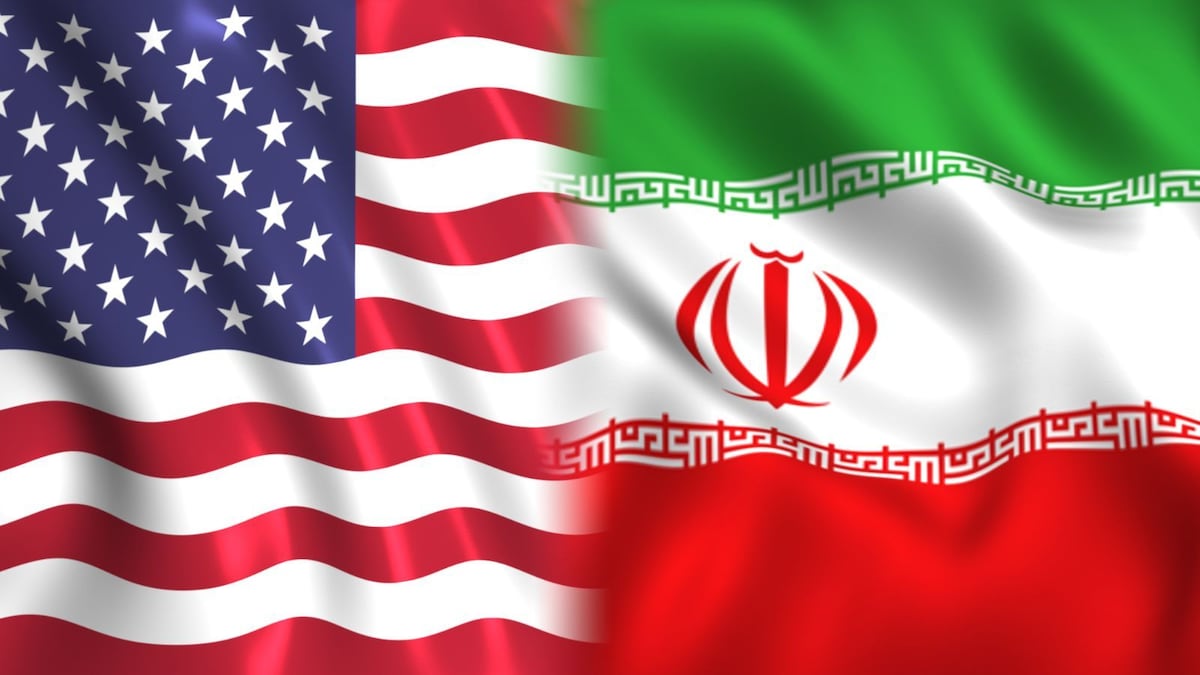
The United States military launched a fresh wave of airstrikes against Iran on Sunday, marking the eighth consecutive night of operations as the conflict between the two nations widens following a deadly strike on a base in Jordan. The latest military action, directed by President Donald Trump, specifically targeted the Iranian Revolutionary Guard Corps (IRGC), which U.S. Officials hold responsible for an attack on Friday that resulted in the deaths of two American service members.
The conflict has entered a volatile phase following the collapse of an interim peace agreement signed last month. As the U.S. Military intensifies its campaign to degrade Iranian maritime and military capabilities around the Strait of Hormuz, Tehran has retaliated by striking U.S. Allies across the region, most notably in Kuwait, where missile and drone attacks have hit critical infrastructure, including power plants and desalination facilities.
Media additions

Escalation in Jordan and the Strait
The incident at the Muwaffaq Salti Air Base in Jordan left two U.S. Service members dead, one missing, and several others injured. This brings the total number of American military fatalities in the conflict to 16. In the immediate aftermath, U.S. Central Command (CENTCOM) utilized fighter jets and Tomahawk cruise missiles to target IRGC surveillance facilities, air defense systems, and drone storage sites.
By re-imposing a naval blockade, the U.S. Has effectively halted traffic through the narrow waterway, which historically accounts for the transit of one-fifth of the world’s oil and natural gas. Brent crude prices have reacted sharply to the instability, climbing toward $88 a barrel as shipping companies pull vessels from the route due to the risk of Iranian drone and missile fire.
Regional Repercussions
The scope of the violence has expanded beyond the initial combatants. Kuwait, a key U.S. Ally, has reported significant damage to its civilian infrastructure. Yahoo News notes that the Kuwait Fire Force spent much of the weekend battling blazes at oil facilities and residential areas caused by falling debris from intercepted Iranian munitions. The Gulf Cooperation Council (GCC) has condemned these strikes as war crimes, emphasizing that the deliberate targeting of desalination plants—essential for the region’s water supply—violates international law.
Iran has responded by suspending its commitments to the recent Memorandum of Understanding (MoU). Tehran’s deputy foreign minister, Kazem Gharibabadi, stated that the move was necessary because the U.S. Had already violated the terms of the deal. Meanwhile, Supreme Leader Mojtaba Khamenei warned that the U.S. Should expect "unforgettable lessons," though the Iranian military’s capacity remains strained by the week of continuous U.S. Bombing.
Key Developments
- Casualties: U.S. Death toll stands at 16; Iranian health officials report at least 50 killed and 500 wounded since the start of the current strike campaign.
- Diplomatic Standoff: The interim ceasefire deal has collapsed, with both sides accusing the other of bad faith.
- Regional Tension: The U.S. State Department has issued global travel advisories, warning citizens of "increased caution" due to potential escalation.
- Leadership Meetings: Lebanese President Joseph Aoun is traveling to the White House on July 21 to meet with President Trump to discuss regional security and the future of Hezbollah.
What to Watch Next
As the conflict enters its second week, observers are focused on the following markers:
- Strait of Hormuz Traffic: Whether the U.S. Naval blockade remains absolute or if commercial transit resumes under military escort.
- The Status of the Missing U.S. Service Member: Search and recovery operations in Jordan are ongoing.
- Diplomatic Isolation: The potential for additional regional players to be drawn into the conflict, particularly as Iran threatens the airports and ports of the United Arab Emirates.
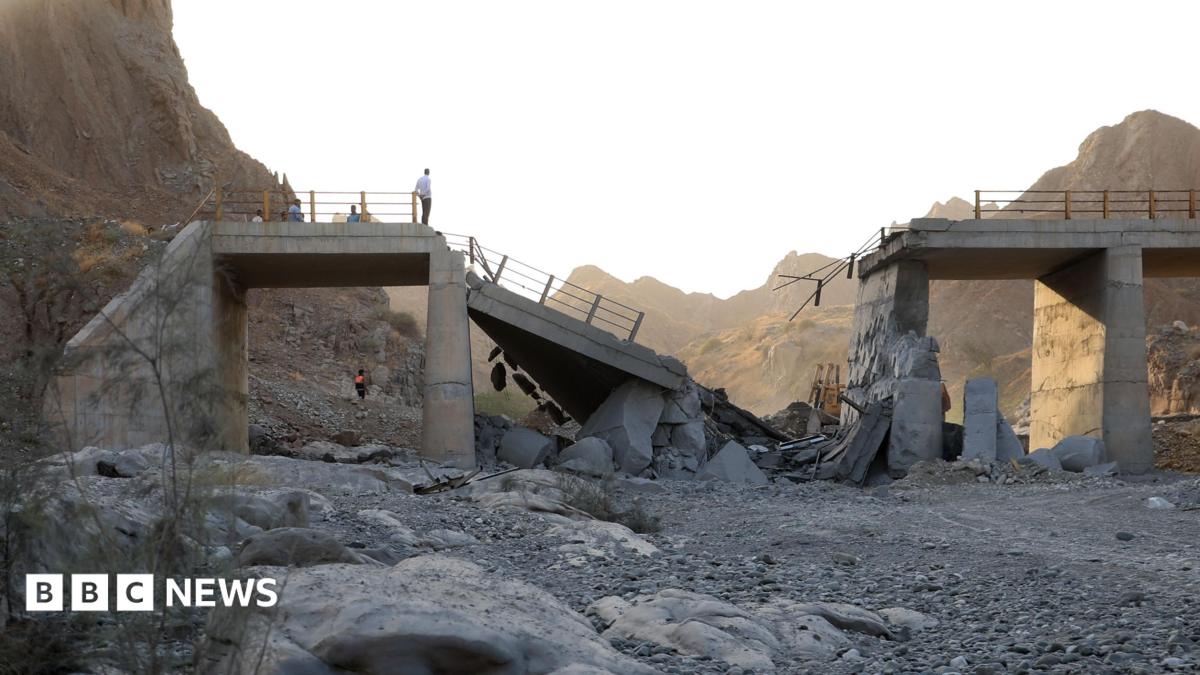
While the U.S. Maintains that its operations are defensive and limited to military infrastructure, the destruction of bridges and electricity facilities in southern Iran has complicated the humanitarian situation in the country.
How significant is this development?
Contribute your assessment to the aggregated reader sentiment ledger.
Frequently Asked Questions
Key questions answered in this reportWhat is the key development in: US strikes Iranian Revolutionary Guard following deadly attack in Jordan?
U.S. forces have intensified strikes against Iranian military targets after a fatal attack in Jordan, as the collapse of a peace agreement triggers regional instability.
Why is this World development significant for the UK?
This report covers critical events in our World beat. Independent reporting monitors related UK statements, regulatory shifts, and public responses as further verified details emerge.
How was this reporting corroborated and verified?
Newsarchy UK compiles and cross-references reporting from primary reporting from apnews.com and cross-checked wire reports. All coverage adheres to published editorial standards.
When was this report published?
This briefing was published on July 19, 2026 and is permanently cataloged in the Newsarchy UK World archives.