China Is Building What Could Be the World's Largest Naval Replenishment Ship
Satellite imagery confirms China is building a large new replenishment vessel intended to sustain carrier strike groups during blue-water operations. Analysts estimate the ship could displace between 60,000 and 70,000 tons to maximize cargo capacity for fuel, ammunition, and spare parts.
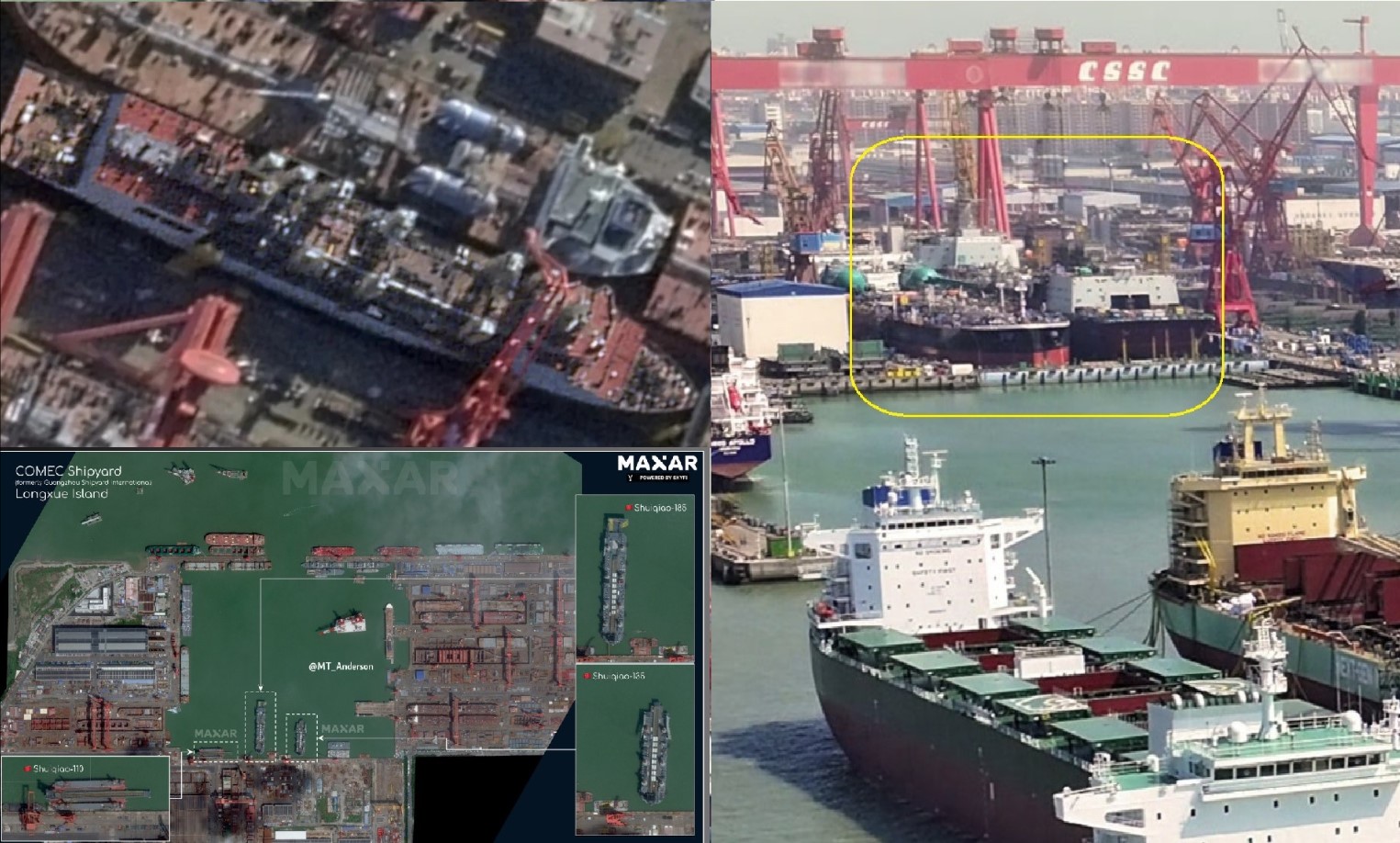
- Core Development: Satellite imagery confirms China is building a large new replenishment vessel intended to sustain carrier strike groups during blue-water operations. Analysts estimate the ship could displace between 60,000 and 70,000 tons to maximize cargo capacity for fuel, ammunition, and spare parts.
- Beat Context: Categorized under World with independent corroboration.
- Reporting Depth: 3 minute analytical read synthesized from verified newsroom sources.
China is moving to cement its long-range naval reach with the construction of a massive new replenishment vessel, currently taking shape at the CSSC Offshore and Marine Engineering Company (COMEC) shipyard on Longxue Island, near Guangzhou. Satellite imagery analyzed by defense observers and intelligence firms confirms the ship is under active construction. Experts tracking the development suggest the vessel is poised to become the largest dedicated naval replenishment ship in the world, a strategic asset designed to sustain China's carrier strike groups far from home ports.
The vessel’s dimensions—approximately 271 metres in length and 37 metres in beam—mark a substantial increase over the People's Liberation Army Navy’s (PLAN) existing fleet, specifically the Type 901 fast combat support ships. While the Type 901 carries a displacement of roughly 45,000 tons, early assessments from defense analysts indicate the new ship could displace between 60,000 and 70,000 tons. According to Janes, the ship features a broad, slab-sided hull form prioritized for internal volume rather than speed, a design choice intended to maximize the carriage of aviation and marine fuel, ammunition, dry stores, and spare parts.
Media additions
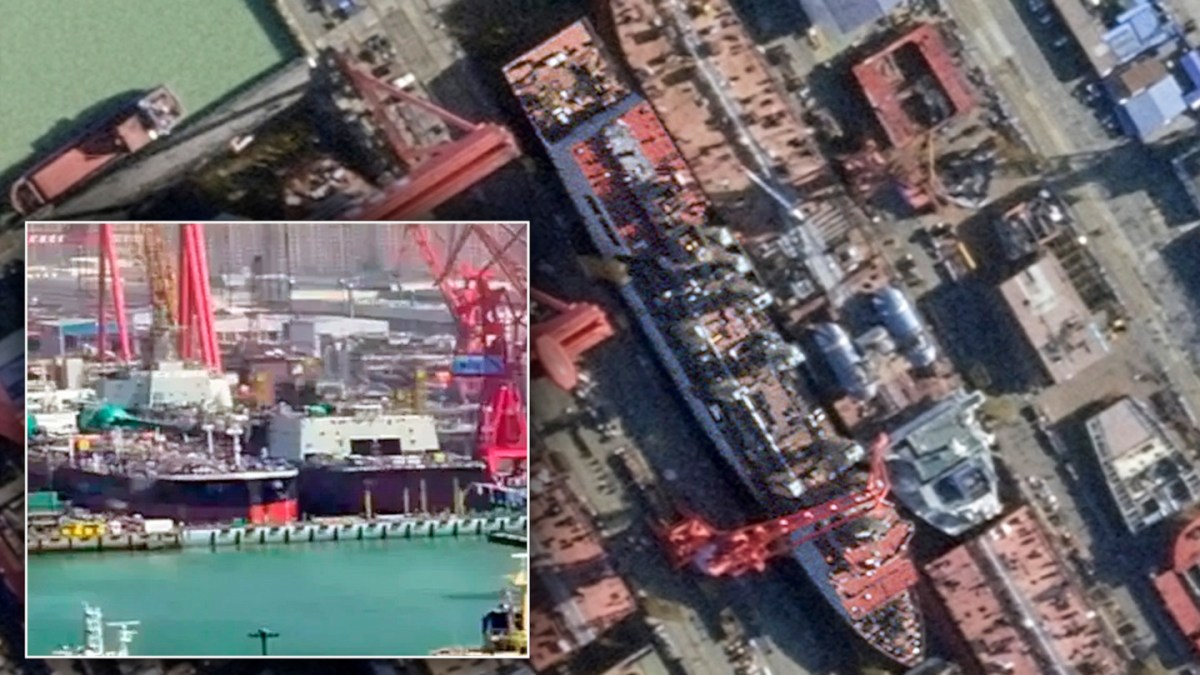

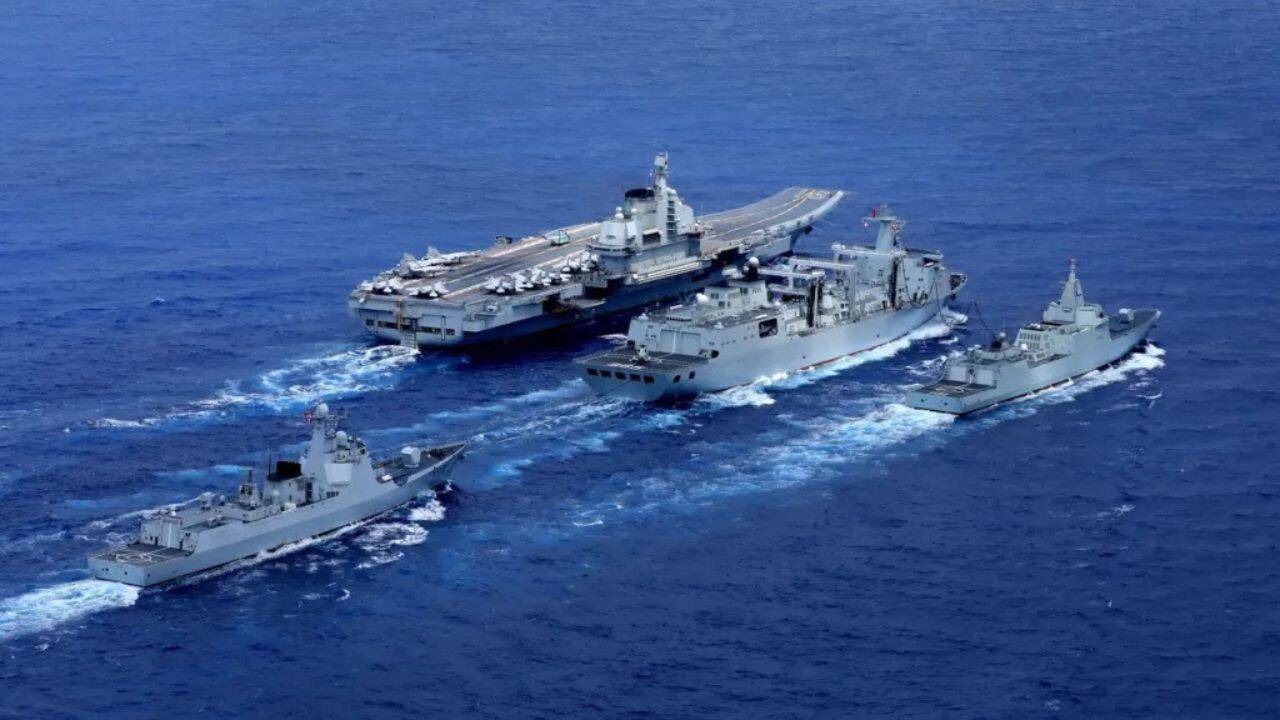
The project signals a shift in PLAN logistics as the navy moves toward regular "blue-water" operations. Because China currently maintains a limited network of overseas military bases, its carrier groups must rely heavily on at-sea resupply. This requirement is compounded by the fact that China’s current carrier fleet, including the Liaoning and Shandong, utilizes conventional propulsion. These carriers, along with their escorts and increasingly complex air wings, require continuous replenishment to remain on station for extended durations.
The facility on Longxue Island, formerly known as Guangzhou Shipyard International (GSI), has increasingly pivoted toward dual-use and military projects. The shipyard has previously constructed stealth drone ships, amphibious logistics barges, and research vessels. Observers note that the new supply ship displays a layout consistent with modern naval standards, featuring midship replenishment gantries for underway transfers and a large stern flight deck equipped with a hangar for vertical replenishment via helicopter.
Logistics as a Strategic Hurdle
The global push for enhanced maritime logistics has become a point of contention among major naval powers. During the Navy League’s annual Sea-Air-Space exposition in April 2026, Robert Hein, Director of Maritime Operations for the U.S. Navy’s Military Sealift Command, noted that the U.S. Had faced significant hurdles in maintaining fleet readiness in the Middle East, where access to regional refueling infrastructure became restricted.
"Iran has effectively shut down that gas station. So we’ve had to come up with really creative ways of, ‘how do we replenish the fleet?’"
Robert Hein, Director of Maritime Operations for the U.S. Navy's Military Sealift Command, via TWZ
The U.S. Navy has also highlighted its own limitations regarding at-sea rearming, specifically the inability to reload vertical launch system (VLS) cells while underway. By designing a ship with massive internal capacity, China appears to be attempting to mitigate these same risks, ensuring its task forces can maintain offensive capability without retreating to secure ports. The rapid construction of the Longxue vessel underscores the disparity in industrial shipbuilding capacity that continues to draw international concern.
What to Watch Next
- Float-out and Outfitting: Following the likely launch of the hull, the vessel will undergo intensive fitting-out of piping, cabling, and machinery. Based on local shipyard benchmarks, this phase can take several months before the ship moves to sea trials.
- Fleet Integration: Analysts expect the ship to provide direct support to the carrier strike group and the heavy-lift requirements of the Type 076 amphibious assault ships currently in development.
- Delivery Timeline: If construction remains on schedule, industry assessments suggest the vessel could enter service between 2027 and 2028.
As the vessel nears completion, the PLAN is expected to integrate it into a broader logistics doctrine, moving away from reliance on foreign port access. For now, the ship at Longxue serves as a visible marker of that ambition, transforming logistical capacity from a potential vulnerability into a core component of the PLAN's growing reach.
How significant is this development?
Contribute your assessment to the aggregated reader sentiment ledger.
Frequently Asked Questions
Key questions answered in this reportWhat is the key development in: China Is Building What Could Be the World's Largest Naval Replenishment Ship?
Satellite imagery confirms China is building a large new replenishment vessel intended to sustain carrier strike groups during blue-water operations. Analysts estimate the ship could displace between 60,000 and 70,000 tons to maximize cargo capacity for fuel, ammunition, and spare parts.
Why is this World development significant for the UK?
This report covers critical events in our World beat. Independent reporting monitors related UK statements, regulatory shifts, and public responses as further verified details emerge.
How was this reporting corroborated and verified?
Newsarchy UK compiles and cross-references reporting from primary reporting from twz.com and cross-checked wire reports. All coverage adheres to published editorial standards.
When was this report published?
This briefing was published on July 19, 2026 and is permanently cataloged in the Newsarchy UK World archives.


