US urges Hormuz security as Iran escalates threats, UAE detects missile
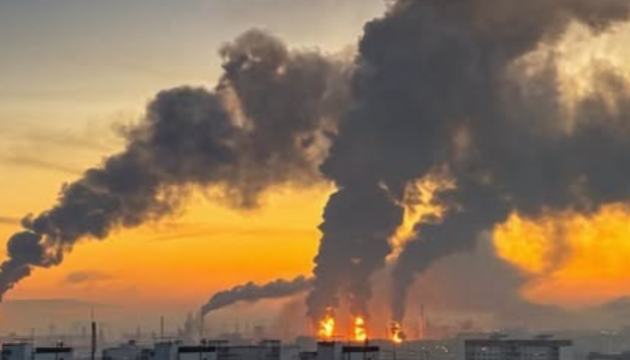
The US pressed the UAE to secure the Strait of Hormuz amid escalating Iranian threats and a missile launch that triggered a rare public shelter alert.

- Core Development: The US pressed the UAE to secure the Strait of Hormuz amid escalating Iranian threats and a missile launch that triggered a rare public shelter alert.
- Beat Context: Categorized under World with independent corroboration.
- Reporting Depth: 6 minute analytical read synthesized from verified newsroom sources.
US officials pressed the United Arab Emirates on securing the Strait of Hormuz as Iranian rhetoric grew more hostile, a conversation that took place during a rare public shelter alert after the UAE’s air‑defence network picked up a missile‑type launch aimed at the Gulf’s sky. The call, made by President Donald Trump and UAE President Sheikh Mohamed, came amid reports that a vessel suffered engine‑room damage and a crew casualty after being struck by an unidentified projectile, according to the United Kingdom Maritime Trade Operations (UKMTO).TimesNowNews
Iran’s escalation and diplomatic deadlock
Iranian Foreign Minister Abbas Araghchi responded to the US outreach by accusing Washington of “begging” for talks and alleging that recent American moves have undermined the memorandum of understanding that had governed navigation through Hormuz. He warned that Tehran would continue to push a “global resistance” narrative, a phrase that has appeared repeatedly in Tehran’s public statements this week.
Media additions
Qatar’s mediators, who have been shuttling between Tehran and Muscat, said they are waiting for a fresh Iran‑Oman agreement on managing the waterway before any broader US‑Iran dialogue can restart. The implication is that without an Oman‑backed framework, the United States and Tehran remain locked in a war of words that threatens commercial shipping and regional stability.TimesNowNews
US pressure and the threat of sanctions
During the same call, President Trump reiterated that the United States “has very draconian sanctions” ready to be imposed on Iran, saying, “We have things that we could sanction on Iran, and we’ll see what happens.”
"We have things that we could sanction on Iran. We have very draconian sanctions, and we’ll see what happens."
Donald Trump, President of the United States, via TimesNowNews
Trump’s remarks echo a broader US strategy of coupling diplomatic outreach with the threat of heightened economic pressure, a pattern that has recurred throughout the latest phase of the US‑Iran conflict that began in February of this year.
Parallel crises in the wider Middle East
While the Hormuz standoff sharpened, an Israeli airstrike on Syria’s Abu al‑Duhur air base added another flashpoint. The base had hosted a Turkish military delegation earlier in the day, a detail that sparked strong condemnation from Turkey’s foreign ministry, which dismissed Israel’s justification as “frivolous” and “designed to legitimize Israel's unlawful airstrikes targeting Syria's sovereignty and territorial integrity.”Newsweek
The United States thus found itself critiquing an ally’s military move while simultaneously pursuing a tougher line on Iran.
Washington’s balancing act with regional partners
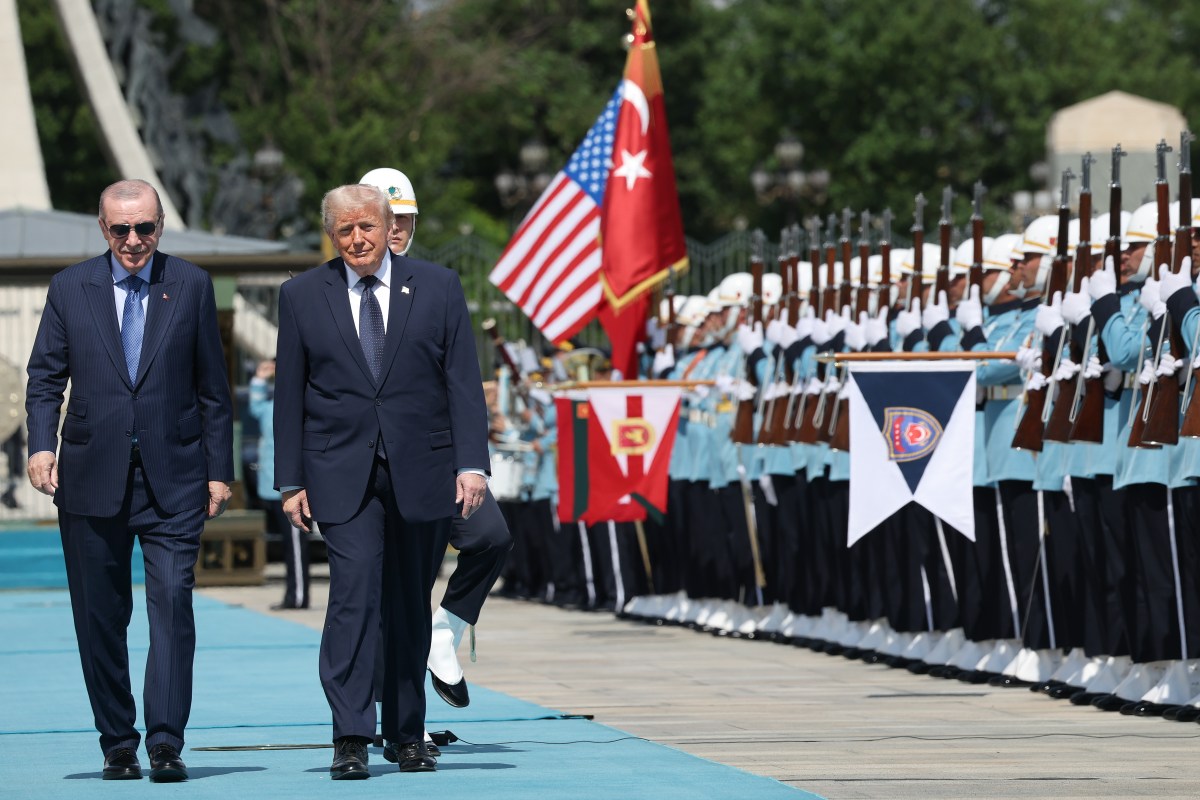
Amid the tension, the Trump administration announced an intention to lift restrictions on selling F‑35 fighter jets to Turkey, a move that came despite Ankara’s purchase of Russian S‑400 surface‑to‑air missile systems. The decision signals Washington’s willingness to deepen ties with Ankara even as it publicly rebukes Israeli strikes that could destabilise Syria.
Brian Katulis, senior fellow at the Middle East Institute, noted that both President Trump and Israeli Prime Minister Benjamin Netanyahu “are both in weak political positions at home.” Katulis argued that Trump’s “America First” agenda pushes him to encourage regional actors to “take care of their own affairs,” a stance that aligns with the US push to de‑escalate the Iranian front while backing Israel’s security concerns.
"President Trump and Prime Minister Netanyahu are both in weak political positions at home—Trump continues to suffer from his lowest voter approval ratings in his time in office including his first term, and Netanyahu's standing and reputation remains severely damaged by the October 7 2023 Hamas attack and its aftermath."
Brian Katulis, senior fellow, Middle East Institute, via Newsweek
Strategic realignments: the Mecca Pact and Sunni bloc
In a separate development, Turkey, Saudi Arabia and Pakistan formalised a mutual defence agreement known as the “Mecca Pact.” Ali Burak Daricili, an associate professor at Bursa Technical University and former Turkish intelligence officer, described the pact as “a response to the strategic axis that Israel has been developing with Greece, the Greek Cypriot Administration and India.” He warned that the Sunni bloc could “limit Iran’s ability to rebuild its influence in the Middle East,” while also flagging the risk that “Türkiye and Israel are already engaged in serious competition and friction in several regions.”
"Such a Sunni strategic bloc could limit Iran's ability to rebuild its influence in the Middle East."
Ali Burak Daricili, associate professor, Bursa Technical University, via Newsweek
Daricili added that the pact could also serve Syrian security interests, suggesting that a closer alignment among Turkey, Saudi Arabia and Pakistan might help balance Israel’s “uncontrolled regional actions.” The formation of the pact has been praised by President Trump as evidence that “the Middle East is coming together” and that countries will be “able to defend themselves in a more meaningful way.”
Implications for US‑Iran security commitments
The confluence of a missile detection over the UAE, a damaged merchant vessel, Iran’s escalating rhetoric, and the broader realignment of regional powers places Washington under pressure to reassure Gulf allies. The United Kingdom’s UKMTO continues to monitor maritime incidents, while the United States signals readiness to tighten sanctions if Tehran does not curtail its “global resistance” stance.
UAE authorities, for the first time in recent memory, issued a public shelter alert, urging residents to seek protection—a clear deviation from their usual policy of limiting public defence warnings. This step highlights the heightened vigilance of Gulf states in response to the perceived missile threat.Timesnownews
What to watch next
- Qatar’s mediators will continue to press for an Iran‑Oman agreement; the timing of that deal could determine whether broader US‑Iran negotiations are revived.
- The United States is expected to formalise the “draconian” sanctions referenced by President Trump, potentially targeting Iranian oil exports and financial networks.
- Further US statements on the legal status of the Strait of Hormuz may emerge, especially if missile detections persist or commercial shipping incidents increase.
- The implementation of the Mecca Pact will be monitored for signs of coordinated Sunni deterrence that could shift the regional balance away from Tehran.
- U.S. Officials may seek a de‑confliction mechanism between Turkey and Israel to forestall a direct clash that could complicate the wider anti‑Iran coalition.
For now, the Gulf remains on high alert, the US keeps its diplomatic channels open with both regional partners and adversaries, and the next week could produce the first concrete steps toward an Iran‑Oman arrangement—or witness a further escalation that forces Washington to roll out the sanctions it has threatened.
How significant is this development?
Contribute your assessment to the aggregated reader sentiment ledger.
Frequently Asked Questions
Key questions answered in this reportWhat is the key development in: US urges Hormuz security as Iran escalates threats, UAE detects missile?
The US pressed the UAE to secure the Strait of Hormuz amid escalating Iranian threats and a missile launch that triggered a rare public shelter alert.
Why is this World development significant for the UK?
This report covers critical events in our World beat. Independent reporting monitors related UK statements, regulatory shifts, and public responses as further verified details emerge.
How was this reporting corroborated and verified?
Newsarchy UK compiles and cross-references reporting from primary reporting from newsweek.com and cross-checked wire reports. All coverage adheres to published editorial standards.
When was this report published?
This briefing was published on August 20, 2026 and is permanently cataloged in the Newsarchy UK World archives.