US warns Russia planning armed provocation on Polish soil to test Nato
US intelligence has cautioned the Polish government regarding potential Russian operations designed to test Nato's cohesion. Analysts suggest these plots aim to pressure Western allies into reducing military and financial support for Ukraine.

- Core Development: US intelligence has cautioned the Polish government regarding potential Russian operations designed to test Nato's cohesion. Analysts suggest these plots aim to pressure Western allies into reducing military and financial support for Ukraine.
- Beat Context: Categorized under World with independent corroboration.
- Reporting Depth: 3 minute analytical read synthesized from verified newsroom sources.
The United States has issued repeated intelligence warnings to the Polish government regarding potential Russian plans for an armed provocation on Polish soil. Officials believe these plots are designed to test the cohesion of the Nato alliance. According to sources close to Polish President Karol Nawrocki, Washington has shared intelligence detailing various vectors for such an operation, which could be initiated within months.
The primary objective, analysts suggest, is to escalate geopolitical friction and pressure Western allies into suspending or reducing military and financial aid to Ukraine. While intelligence assessments suggest that Russia currently lacks the capacity for a full-scale conventional war while its forces remain committed to the conflict in Ukraine, the Kremlin is reportedly debating localized options to probe Nato's resolve.
Media additions


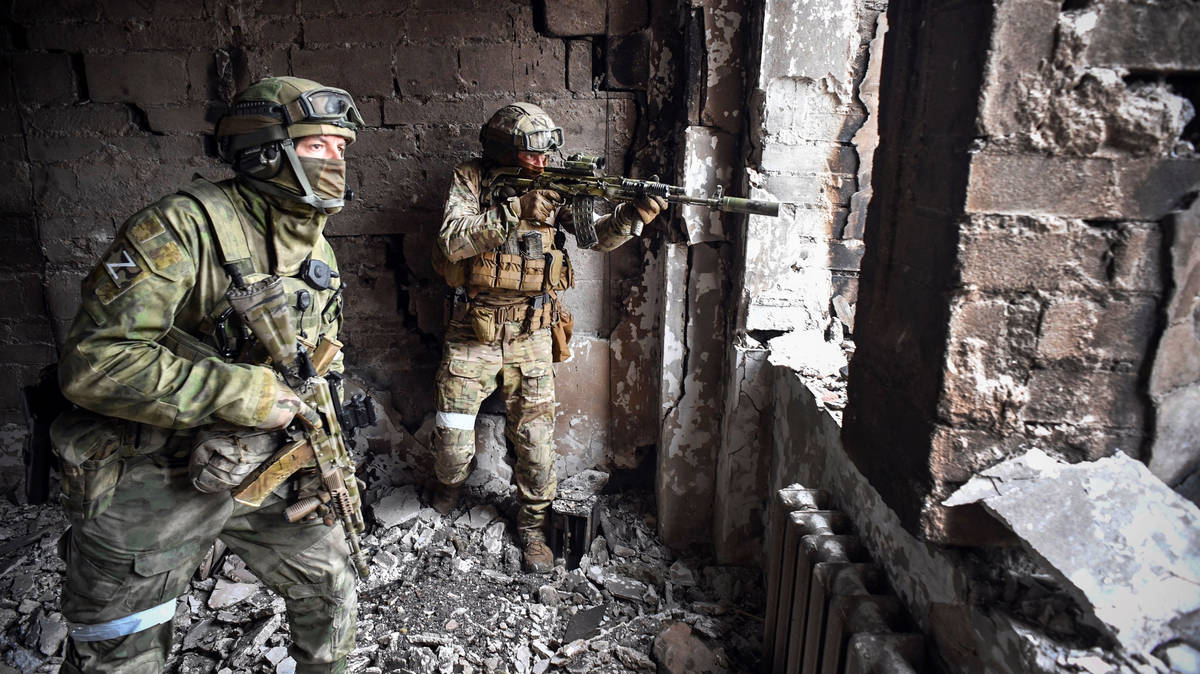
Potential Scenarios for Provocation
Security services in Poland and neighbouring nations have identified several ways Moscow might attempt to initiate a crisis. These scenarios include:
- Infrastructure strikes: Missile or drone attacks targeting critical national infrastructure, such as power stations.
- Simulated airstrikes: Acts designed to force Poland to activate its air defence systems, creating radar tracks that pressure military readiness.
- Hybrid ground incursion: A small-scale crossing of the border by Russian or Belarusian personnel, potentially staged from the Kaliningrad exclave or from Belarus.
In the event of a ground incursion, intelligence suggests the Kremlin would likely attempt to maintain plausible deniability. Potential pretexts include claims of a GPS malfunction leading soldiers across the border, or a fabricated search-and-rescue mission to recover a malfunctioning helicopter. Sources indicate that Moscow calculates the United States would pressure Poland to enter negotiations rather than respond with lethal force. If such negotiations resulted in a withdrawal, the Kremlin would likely present the outcome as a diplomatic victory, potentially making the cessation of Western support for Ukraine a primary condition for pulling back its forces.
A Period of Heightened Danger
Concerns are further compounded by a report published on Thursday by the International Institute for Strategic Studies, which mapped 144 suspected drone sightings across Europe between 2024 and 2026. These activities, often linked to shadow ships monitoring military and nuclear sites, suggest a broader pattern of probing Nato's air defences. Such incursions have previously resulted in airport closures and the disruption of civilian aviation across several Nato member states, including Germany, France, Belgium, the Netherlands, the UK, and Denmark.
Alliance Response and Deterrence
Nato members have initiated defensive signaling to deter such actions. Recent naval exercises in Latvia, featuring deployment of US Navy and Marine personnel, were designed to demonstrate that any assault on the eastern flank would be met with a collective response. Furthermore, officials have clarified that Nato has formulated direct retaliatory contingencies. German Air Force Chief Holger Neumann recently affirmed that Germany is prepared to defend every inch of alliance territory, noting that targets in the event of conflict could include the militarised exclave of Kaliningrad, as well as key naval and military assets in St Petersburg, the Kola Peninsula, and the Black Sea.
Despite these preparations, experts caution that the alliance faces a significant challenge. Security sources note that any Russian provocation would be specifically calibrated to avoid triggering Article 5, the mutual self-defence clause, while simultaneously attempting to expose divisions within the alliance. As the conflict in Ukraine continues, the risk remains that Moscow may seek to exploit bilateral frictions—such as those involving agricultural trade or historical disputes—to widen the rift between Poland and its neighbours.
How significant is this development?
Contribute your assessment to the aggregated reader sentiment ledger.
Frequently Asked Questions
Key questions answered in this reportWhat is the key development in: US warns Russia planning armed provocation on Polish soil to test Nato?
US intelligence has cautioned the Polish government regarding potential Russian operations designed to test Nato's cohesion. Analysts suggest these plots aim to pressure Western allies into reducing military and financial support for Ukraine.
Why is this World development significant for the UK?
This report covers critical events in our World beat. Independent reporting monitors related UK statements, regulatory shifts, and public responses as further verified details emerge.
How was this reporting corroborated and verified?
Newsarchy UK compiles and cross-references reporting from primary reporting from bbc.com and cross-checked wire reports. All coverage adheres to published editorial standards.
When was this report published?
This briefing was published on July 4, 2026 and is permanently cataloged in the Newsarchy UK World archives.