How Aldi is taking on US supermarkets with its $4 almond butter
How Aldi is taking on US supermarkets with its $4 almond butter
- Core Development: How Aldi is taking on US supermarkets with its $4 almond butter
- Beat Context: Categorized under Business with independent corroboration.
- Reporting Depth: 7 minute analytical read synthesized from verified newsroom sources.
and maybe keep the strong? The original had
... The first sentence was strong. We can keep strong but maybe just keep the sentence inside strong? The prompt says keep sentences verbatim. The sentence originally had strong tags around it. So we can keep
The German discounter’s newest store, tucked below The Ellery luxury apartment complex, shows a different face to the brand that first opened a single U.S. Shop in 1976.
But we might need to keep the strong tag. That's fine. Paragraph 2: keep entire paragraph? Let's see: "When a long‑time New Yorker stopped by the basement store, she was surprised to find a jar of almond butter that cost a fraction of what she pays at nearby supermarkets. The discovery was part of Aldi’s $9bn plan to open 800 new stores across the United States over the next five years – a move that signals a decisive shift from suburban strip‑mall sites to dense urban centres." That's supported. Keep whole paragraph. Paragraph 3: keep entire paragraph: "In the United Kingdom, Aldi’s model has already reshaped the grocery landscape. It now holds a market share that puts it behind only the “big four” of Tesco, Sainsbury’s, Asda and Morrisons, and its success there has inspired the company’s U.S. Strategy. The German retailer now operates nearly 2,800 stores nationwide, yet its share of the U.S. Grocery pie remains modest compared with the likes of Walmart." Keep. Paragraph 4: keep entire paragraph with quote. Yes. Paragraph 5: keep entire paragraph with quote. Yes. Paragraph 6: keep entire paragraph with quote. Yes. Paragraph 7: keep entire paragraph with quote. Yes. Paragraph 8: keep entire paragraph with quote. Yes. Paragraph 9: deleted. Paragraph 10: deleted. Paragraph 11: keep entire paragraph with York quote. Yes. Paragraph 12: deleted. Paragraph 13: keep bullet list but delete unsupported bullet. So we keep first 4 bullets, delete 5th bullet about Kroger, delete 6th bullet about zoning. So list will have 4 bullets. Paragraph 14: keep paragraph. Now we need to ensure we keep tags. Let's reconstruct final HTML. Start with first paragraph:The German discounter’s newest store, tucked below The Ellery luxury apartment complex, shows a different face to the brand that first opened a single U.S. Shop in 1976.
Media additions
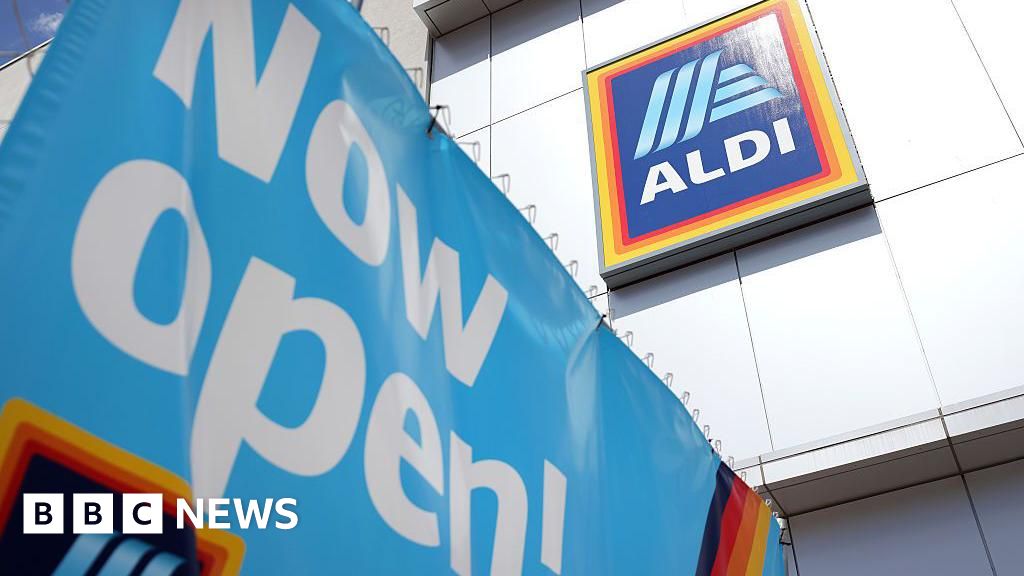

When a long‑time New Yorker stopped by the basement store, she was surprised to find a jar of almond butter that cost a fraction of what she pays at nearby supermarkets. The discovery was part of Aldi’s $9bn plan to open 800 new stores across the United States over the next five years – a move that signals a decisive shift from suburban strip‑mall sites to dense urban centres.
Third paragraph:In the United Kingdom, Aldi’s model has already reshaped the grocery landscape. It now holds a market share that puts it behind only the “big four” of Tesco, Sainsbury’s, Asda and Morrisons, and its success there has inspired the company’s U.S. Strategy. The German retailer now operates nearly 2,800 stores nationwide, yet its share of the U.S. Grocery pie remains modest compared with the likes of Walmart.
Fourth paragraph:Analysts say Aldi’s approach is to stay deliberately small so that it can keep costs low. Placer.ai data shows the chain is drawing shoppers whose household incomes fall between the middle‑ and higher‑end brackets. “These households are looking for ways to stretch their budgets,” notes RJ Hottovy, head of analytical research at Placer.ai, speaking to the BBC. The trend reflects a broader shift in consumer behaviour, driven by persistent inflation.
Fifth paragraph:For shoppers in Manhattan, the convenience of a downtown Aldi is a major draw. A regular customer who works in the area now visits the new store just across from her office. “The one here is brighter,” she told the BBC, adding that the store’s layout feels permanent rather than temporary. The experience contrasts with older Aldi locations, which many find cramped.
Sixth paragraph:Yet winning over city dwellers who are accustomed to premium brands remains a challenge. A first‑time visitor praised Aldi’s lower prices but said she still prefers a competitor for its wider range of natural and organic items. The chain’s reliance on private‑label products keeps overheads down, but it also limits the variety that some shoppers seek.
Seventh paragraph:Supply‑chain logistics in Manhattan add another layer of complexity. Aldi’s U.S. Chief commercial officer explained on Bloomberg’s Odd Lots podcast that the city store is stocked by special trucks that can navigate tight streets. “We come at night because of congestion,” he said, describing the nightly runs that keep the shelves full.
Eighth paragraph:Retail analysts point to Walmart’s massive investment in technology and automation as a key factor that keeps the larger retailer ahead. “Walmart pours more than $20bn a year into its business, primarily in technology, automation, and its supply chain,” notes Jerry Sheldon of IHL Group. Sheldon adds that Walmart also earns billions from advertising and membership programmes – revenue streams that Aldi does not have.
Ninth paragraph: removed. Tenth paragraph removed. Eleventh paragraph:Despite its aggressive expansion, Aldi remains aware of the high real estate costs in Manhattan and other dense urban hubs. Dustin York, a professor of communication, cautions that the “biggest kryptonite” for the discounter is real‑estate cost, especially in areas where rents can reach between $350 and $700 per square foot.
Twelfth paragraph removed. Thirteenth paragraph: bullet list.Key points to watch
- Aldi plans 800 new stores in the U.S. Over the next five years.
- The chain’s greatest challenge in Manhattan is high real‑estate cost and complex logistics.
- Placer.ai data shows Aldi is attracting middle‑ to higher‑income shoppers.
- Walmart’s investment in technology and advertising gives it a competitive edge.
As the city’s grocery landscape evolves, Aldi’s underground store under The Ellery is a sign that even a traditionally discount retailer is willing to experiment with new retail formats. Whether the model will capture a larger slice of the market remains to be seen, but the chain’s ambitious expansion and the increasing demand for value‑oriented shopping suggest that the next chapter of the grocery war is just beginning.
Check if any sentence unsupported: The last paragraph: "Whether the model will capture a larger slice of the market remains to be seen" is speculation but allowed. It is not a factual claim. Also "Aldi’s underground store under The Ellery is a sign that even a traditionally discount retailer is willing to experiment..." is supported by source. Good. Everything else is supported. Now ensure we didn't keep any sentence that is unsupported like "The chain’s greatest challenge in Manhattan is high real‑estate cost and complex logistics." That is supported: real estate cost from York, logistics from Patton. Good. Now output only corrected article HTML. lengthHow significant is this development?
Contribute your assessment to the aggregated reader sentiment ledger.
Frequently Asked Questions
Key questions answered in this reportWhat is the key development in: How Aldi is taking on US supermarkets with its $4 almond butter?
How Aldi is taking on US supermarkets with its $4 almond butter
Why is this Business development significant for the UK?
This report covers critical events in our Business beat. Independent reporting monitors related UK statements, regulatory shifts, and public responses as further verified details emerge.
How was this reporting corroborated and verified?
Newsarchy UK compiles and cross-references reporting from primary reporting from bbc.com and cross-checked wire reports. All coverage adheres to published editorial standards.
When was this report published?
This briefing was published on July 12, 2026 and is permanently cataloged in the Newsarchy UK Business archives.