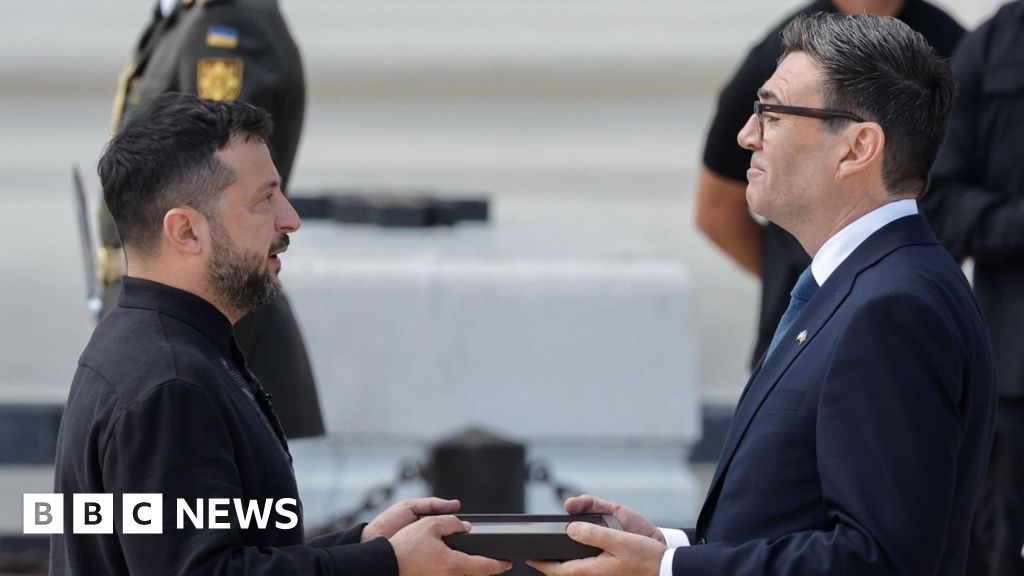
Andy Burnham gains 322 Labour MP votes, set to become next PM
Andy Burnham gains 322 Labour MP votes, set to become next PM
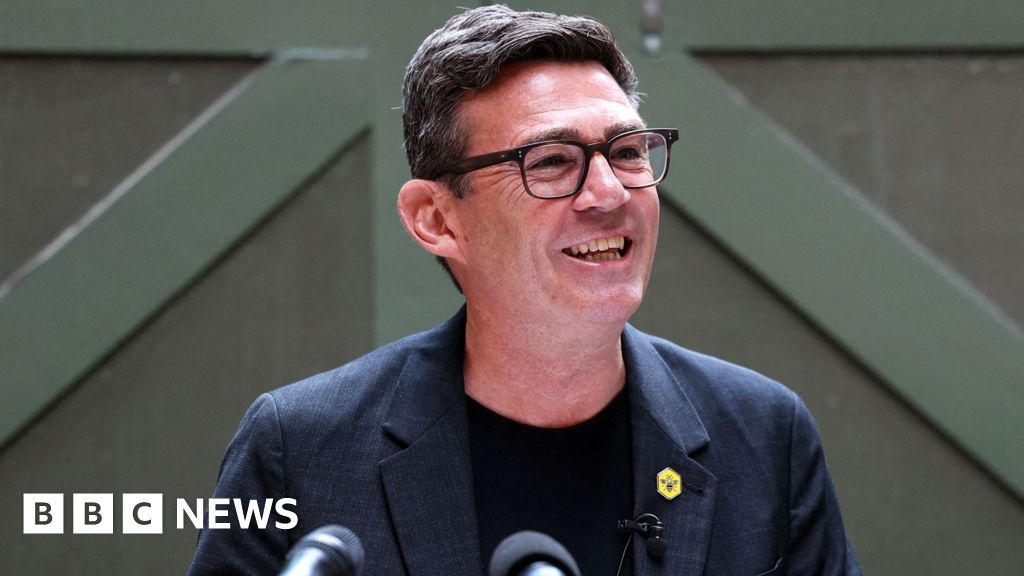
In a decisive turn of events, the former Greater Manchester mayor has secured the backing of 322 out of 403 Labour MPs, a figure that places him one short of the 323 threshold that would render a rival’s bid mathematically impossible. The result, announced on Thursday, signals that Burnham will likely be declared Labour leader and will move into the prime‑ministerial role before the summer recess.
Keir Starmer’s resignation speech on Monday set the stage for a leadership contest that opened on 9 July. The process, governed by the party’s National Executive Committee, allows nominations to be submitted until 16 July. Burnham entered the race on the day nominations opened, and the overwhelming support he received has been described by party insiders as a “shared belief that Britain needs a new approach to politics.”
Media additions

How the numbers unfolded
During the day the House of Commons was filled with MPs climbing a narrow staircase to a Labour office in the Palace of Westminster to sign nomination papers. By the end of the day, 322 MPs had signed for Burnham, a figure that exceeds the 81 MPs required to run a contest. The only other senior figure who had considered standing, former defence minister Al Carns, announced that he would not challenge Burnham, citing a need to “get on with the job” rather than a “proper debate.”
With the 322 nominations in hand, Burnham is just one vote away from the 323 required to preclude any other candidate. If no new nominations are received, the NEC will be able to declare him leader on 17 July, allowing him to meet King Charles III on 20 July and take office as prime minister.
Policy promises and the “Manchesterism” agenda
In the weeks since his by‑election victory in Makerfield, Burnham has outlined a vision that he calls “Manchesterism.” The approach emphasises leveraging private and public capital to stimulate investment in transport, housing and infrastructure, with the aim of reversing two decades of low growth since the 2008 financial crisis. He has also pledged greater public control over water and energy sectors, though specific mechanisms remain to be detailed.
Foreign‑policy continuity is another key point of his platform. He has stated that the government will maintain its commitments to NATO and the UK’s nuclear deterrent, and will remain a firm ally of the United States while supporting Ukraine. In a video message, Burnham criticised Labour’s initial response to the conflict in Gaza, saying that the party had been “too slow to call for a ceasefire.”
Within the party, some MPs have expressed enthusiasm for Burnham’s proposals, while others note that his rapid rise has raised questions about the depth of his policy preparation. A senior member of the party’s defence committee has said that, although Burnham has a clear plan for economic renewal, he has yet to outline a specific target for defence investment.
Reactions from the party and the public
Keir Starmer, who stepped down after two years in office that critics described as marred by missteps, has said that he will remain in the role until a successor is chosen. In his resignation speech, he thanked colleagues and his family, and stated that he would continue until the new leader is appointed.
European leaders have already responded to the change. The European Commission president, Ursula von der Leyen, tweeted that Starmer’s government had strengthened EU‑UK and Ukrainian security, and that the incoming prime minister would “continue to deepen and strengthen the relationship.” Ukraine’s president, Volodymyr Zelenskiy, thanked Starmer for his support during the conflict in Gaza.
Within the UK, political commentators have debated whether Burnham’s ascent marks a genuine shift in Labour’s direction or simply a continuation of existing policies. A commentator on a popular political blog described Burnham as “the best bet” for a stable government, while another warned that the lack of a contested leadership election could limit internal debate.
What happens next?
The NEC’s timetable, confirmed by the party, is as follows: nominations open on 9 July and close on 16 July; a special conference will be held on 17 July to confirm the winner; the new leader will meet the king on 20 July; and the new prime minister will take office the same day. If a rival enters the race, the process would extend into August, with a member ballot scheduled for 6–27 August and the result announced on 29 August.
Burnham’s potential premiership will also intersect with upcoming international events. The EU‑UK summit, originally planned for 22 July, is being reassessed in light of the leadership change. In the meantime, the UK will continue to host NATO and Ukraine support meetings, and will maintain its stance on the Gaza conflict.
Timeline of key dates
- 22 June 2026 – Keir Starmer announces resignation as prime minister and party leader.
- 29 June 2026 – Burnham delivers a speech at the People’s History Museum in Manchester.
- 9 July 2026 – Labour leadership nominations open; Burnham receives 322 endorsements.
- 15 July 2026 – Nominations close; Burnham is likely to be declared leader.
- 17 July 2026 – Special conference confirms Burnham as Labour leader.
- 20 July 2026 – Burnham meets King Charles III and is sworn in as prime minister.
For further detail on the policy proposals that are shaping Burnham’s agenda, readers can consult the internal coverage on Burnham’s plans for a new No 10 North base and the analysis of the defence budget gap in Starmer’s defence plan.
Expert commentary
Political analysts note that the absence of a contested leadership challenge may limit the opportunity for a broader debate on Labour’s future direction. A senior party strategist, speaking on an internal platform, said that while Burnham’s rapid rise reflects widespread support, the lack of competition could reduce scrutiny of his policy positions.
Conversely, a former member of the party’s economic advisory board said that Burnham’s focus on infrastructure investment could provide a much-needed stimulus to the UK economy, especially given the ongoing cost‑of‑living squeeze and the need for renewed public services.
In the weeks ahead, the new prime minister will face the task of translating his “Manchesterism” vision into concrete policy, while also navigating the complex landscape of international alliances and domestic expectations.
As the UK heads into a new chapter of leadership, the political community will watch closely to see how Burnham’s promises translate into action, and whether his approach will bring the promised “new approach to politics” that Labour MPs have been calling for.