IEA to release 20m barrels of diesel as soon as possible
The International Energy Agency is fast-tracking the release of over 20 million barrels of diesel from emergency reserves to combat high fuel prices.
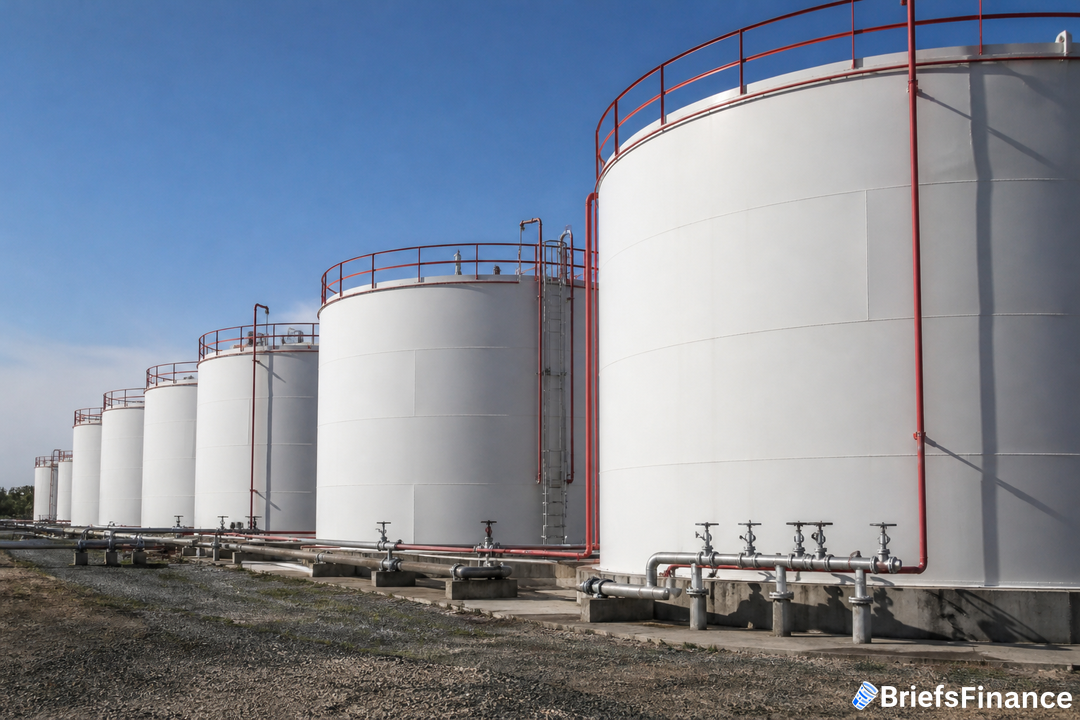
- Core Development: The International Energy Agency is fast-tracking the release of over 20 million barrels of diesel from emergency reserves to combat high fuel prices.
- Beat Context: Categorized under Business with independent corroboration.
- Reporting Depth: 4 minute analytical read synthesized from verified newsroom sources.
The International Energy Agency (IEA) confirmed on Thursday 15 October 2026 that its member states will accelerate the release of the remaining emergency oil stocks, including more than 20 million barrels of diesel, “as soon as possible.” The decision comes amid a persistent diesel shortage that has driven fuel prices to record highs and threatens to widen inflationary pressures worldwide.
The announcement follows a series of disruptions that have tightened diesel supplies. The war in the Middle East, combined with strikes on Russian refineries, has cut global diesel exports by 1.3 million barrels per day in September, a 4.5 % drop from the same period a year earlier. Shipping attacks on the Strait of Hormuz have further constrained the flow of refined products, leaving inventories 509 million barrels below pre‑war levels.
Media additions



In March, the IEA’s Governing Board agreed to release more than 400 million barrels of crude and petroleum products in response to the crisis. Since then, member states have put about 330 million barrels into the market, leaving roughly 100 million barrels outstanding. The current decision will see those remaining stocks, including the diesel tranche, drawn down more quickly.
| Stage | Volume (barrels) | Status |
|---|---|---|
| Initial March pledge | 400 million+ | Committed |
| Released to date | 330 million | In circulation |
| Remaining | 100 million | Pending release |
| Diesel portion of pending release | >20 million | Accelerated release |
While the numbers suggest a sizeable injection of diesel, experts note that the volume would cover less than a day of worldwide demand and just over five days of U.S. Consumption. The IEA’s own assessment points to a tight diesel market that could persist into 2027 if the conflict in the Middle East remains unresolved.
However, the IEA’s decision does not add new volumes; it simply speeds up the deployment of stockpiles that were already pledged.
Member states have also called on countries with refining capacity to boost crude and refined product supplies, particularly diesel, and to ensure the free flow of energy trade. The IEA Secretariat will monitor progress and report to G7 leaders and its Governing Board on whether further action is needed.
In addition to the diesel drawdown, the IEA has highlighted that crude oil exports from Gulf producers have rebounded to 10.9 million barrels per day in September, reaching about 75 % of pre‑conflict levels. Yet refined product exports remain constrained, with Middle Eastern shipments falling to 1.9 million barrels per day from 4.7 million barrels pre‑war.
Looking ahead, the IEA’s October oil market report projects that global oil demand will decline by 2.6 million barrels per day in 2026, with diesel accounting for a quarter of that drop. Production is expected to fall by 5.8 million barrels per day in 2026 before rising again to 7.7 million barrels per day in 2027, potentially restoring a surplus.
For market participants, the accelerated release of diesel is a short‑term relief measure that will be closely watched for its effect on futures contracts and retail prices. Diesel futures slipped more than 1 % on Thursday, while the average U.S. Retail diesel price stood at $6.32 per gallon, a steep rise from a year earlier.
Stakeholders in the shipping, trucking, agriculture, construction, mining, rail, marine transport and industrial sectors are already feeling the strain of higher diesel costs. The IEA’s action, while welcome, is unlikely to reverse the upward trend unless global supply chains stabilize.
Key players will keep a close eye on the pace of the release. The IEA’s Governing Board has stated that specific acceleration plans are already in place, but no timetable has been attached. The Agency will continue to provide updates to G7 leaders and the board as the diesel drawdown progresses.
What to Watch Next
- IEA’s progress reports on the deployment of the remaining 100 million barrels.
- Shifts in diesel futures and retail prices following the release.
- Any additional commitments from member states beyond the accelerated schedule.
- Developments in the Middle East that could further impact diesel supply.
For further analysis, readers can consult the IEA’s own briefs, Global News’s coverage of the announcement, and the gCaptain piece on the broader context of the Strait of Hormuz crisis.
How significant is this development?
Contribute your assessment to the aggregated reader sentiment ledger.
Frequently Asked Questions
Key questions answered in this reportWhat is the key development in: IEA to release 20m barrels of diesel as soon as possible?
The International Energy Agency is fast-tracking the release of over 20 million barrels of diesel from emergency reserves to combat high fuel prices.
Why is this Business development significant for the UK?
This report covers critical events in our Business beat. Independent reporting monitors related UK statements, regulatory shifts, and public responses as further verified details emerge.
How was this reporting corroborated and verified?
Newsarchy UK compiles and cross-references reporting from primary reporting from Vietnam.vn and cross-checked wire reports. All coverage adheres to published editorial standards.
When was this report published?
This briefing was published on October 16, 2026 and is permanently cataloged in the Newsarchy UK Business archives.