JP Morgan boss Jamie Dimon to warn UK chancellor against bank tax hike
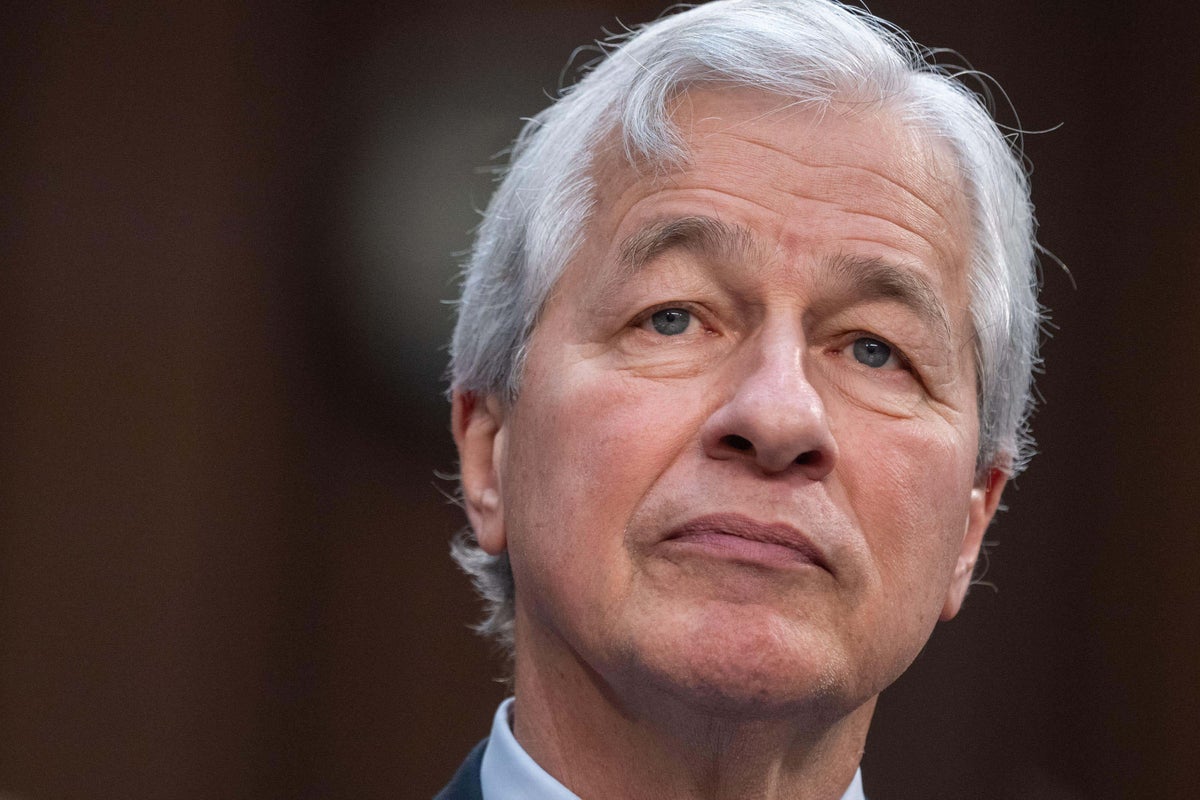
JPMorgan CEO Jamie Dimon warned UK Chancellor John Healey against increasing taxes on the banking sector, cautioning that it could drive investment and jobs out of the UK.

- Core Development: JPMorgan CEO Jamie Dimon warned UK Chancellor John Healey against increasing taxes on the banking sector, cautioning that it could drive investment and jobs out of the UK.
- Beat Context: Categorized under Business with independent corroboration.
- Reporting Depth: 4 minute analytical read synthesized from verified newsroom sources.
The chief executive of JPMorgan Chase has intervened in UK fiscal policy, cautioning Chancellor John Healey against increasing taxes on the banking sector ahead of the government's upcoming budget in October.
The Wall Street executive delivered his warning during a telephone conversation with John Healey, according to reports from The Guardian and The Independent. The exchange occurred as JPMorgan Chase leadership and other financial sector figures engage with the Treasury regarding the autumn fiscal statement.
Media additions

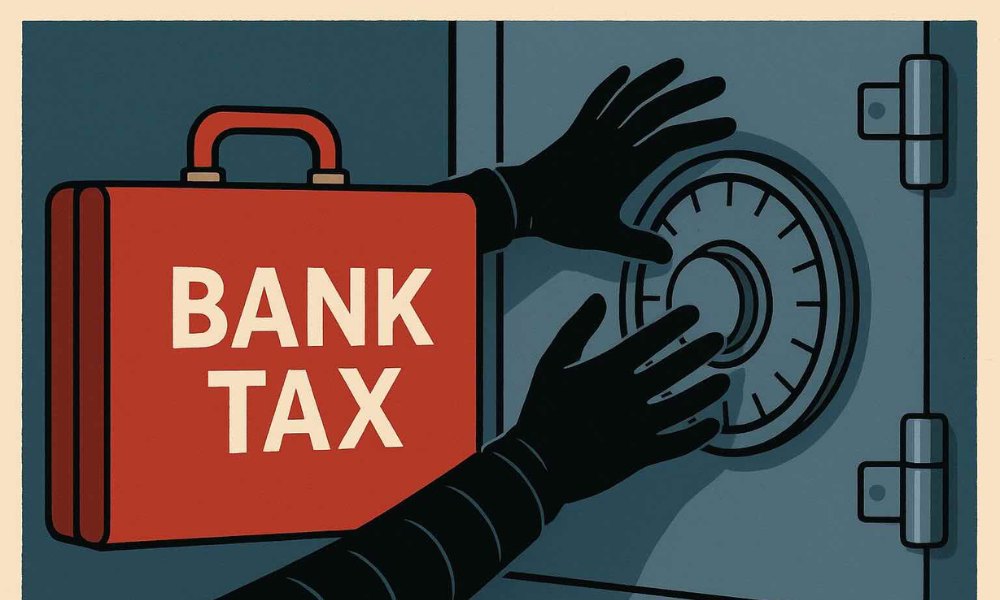
Speculation has intensified that the administration led by Prime Minister Andy Burnham is considering a windfall levy on banks and energy companies. Proponents argue that additional revenue is necessary to manage household bills and support public services amid inflationary pressures. However, Jamie Dimon cautioned that aggressive tax measures risk damaging long-term economic growth by making the British market uncompetitive.
During the call, Dimon pointed to declining finance roles in New York as evidence of how localized tax burdens can trigger capital flight and job losses overseas, as reported by Mpamag. He has a long-standing record of opposing additional sector-specific levies, having previously criticized the UK's corporation tax surcharge introduced in the wake of the 2008 financial crisis.
Major lenders operating in the UK currently face a 28% corporation tax rate, alongside a separate surcharge on balance sheets. This compares to the standard corporate rate of 25%.
| Metric | Figure | Context |
|---|---|---|
| Standard Corporation Tax | 25% | Standard rate applied to general UK corporate entities. |
| Bank Corporation Tax | 28% | Rate applied to UK banking sector including surcharge. |
| Sector Pre-Tax Profits | £200bn | Generated by the UK's four largest lenders over the past five years. |
| Estimated Annual Tax Contribution | £43.3bn | Total tax paid by UK banks for the financial year ending March 2025. |
Domestic pressure for increased taxation remains strong. Left-wing politicians and organizations such as the Trades Union Congress have advocated for higher levies on financial institutions. TUC general secretary Paul Nowak criticized industry pushback, arguing that ordinary citizens face tightening belts while banks record substantial earnings.
"People are sick and tired of being told they have to tighten their belts while profits, dividends and bankers' bonuses hit record highs. The new chancellor has a clear opportunity to show working people he's on their side by asking banks to pay fair taxes to cut energy bills."
Paul Nowak, General Secretary, Trades Union Congress, via The Guardian and The Independent
Conversely, industry bodies have defended the financial sector's economic footprint. David Postings, head of the industry association UK Finance, wrote to the chancellor emphasizing the sector's contribution to credit creation, small businesses, and global market access. Miles Celic, chief executive of lobby group TheCityUK, added that policymakers must treat the private sector as a partner rather than imposing measures unilaterally, according to Scottish Financial News.
The debate unfolds against a difficult macroeconomic backdrop. According to Streamline Feed, borrowing costs have been pushed upward by international conflict and global market adjustments, reducing the fiscal headroom available to the Treasury. Independent forecasters, including the National Institute of Economic and Social Research, have warned that ministers must either increase revenues or curtail public spending to meet strict fiscal rules.
Uncertainty surrounding potential tax changes has historically impacted business behavior. As noted by The Independent and BigGo Finance, prolonged speculation ahead of previous fiscal events prompted some firms to delay spending decisions. Furthermore, Dimon has previously linked the security of major corporate infrastructure investments in London—including plans for a multi-billion-pound headquarters tower in Canary Wharf—to the maintenance of a stable and welcoming regulatory environment.
What to Watch Next
- Introductory Engagements: Chancellor John Healey is scheduled to hold further discussions with other major bank chief executives in the coming days.
- Budget Delivery: The formal announcement of fiscal measures, tax thresholds, and any potential windfall levies will be presented during the Chancellor's budget address on 28 October.
- Fiscal Forecasting: Independent economic bodies will release updated assessments on public borrowing constraints and tax-raising options ahead of the autumn statement.
For related economic updates, see Business coverage.
How significant is this development?
Contribute your assessment to the aggregated reader sentiment ledger.
Frequently Asked Questions
Key questions answered in this reportWhat is the key development in: JP Morgan boss Jamie Dimon to warn UK chancellor against bank tax hike?
JPMorgan CEO Jamie Dimon warned UK Chancellor John Healey against increasing taxes on the banking sector, cautioning that it could drive investment and jobs out of the UK.
Why is this Business development significant for the UK?
This report covers critical events in our Business beat. Independent reporting monitors related UK statements, regulatory shifts, and public responses as further verified details emerge.
How was this reporting corroborated and verified?
Newsarchy UK compiles and cross-references reporting from primary reporting from The Independent and cross-checked wire reports. All coverage adheres to published editorial standards.
When was this report published?
This briefing was published on September 9, 2026 and is permanently cataloged in the Newsarchy UK Business archives.