Nvidia stops shipping H200 AI chips to China despite US approval
Nvidia has halted exports of its advanced Hopper AI processors to China despite receiving prior White House approval, introducing fresh supply chain complexity.

Nvidia has officially ceased shipments of its advanced Hopper-architecture AI processors to China, marking an abrupt end to exports that had secured regulatory clearance from the White House, according to The Verge.
The strategic reversal was disclosed during an earnings call by interim chief executive officer Colette Kress, who told analysts that future financial guidance contains zero revenue projections from licensed Hopper data center products destined for Chinese clients. The development introduces fresh complexity to the global semiconductor supply chain and underscores a hardening divide between the technology ecosystems of Washington and Beijing.
Media additions

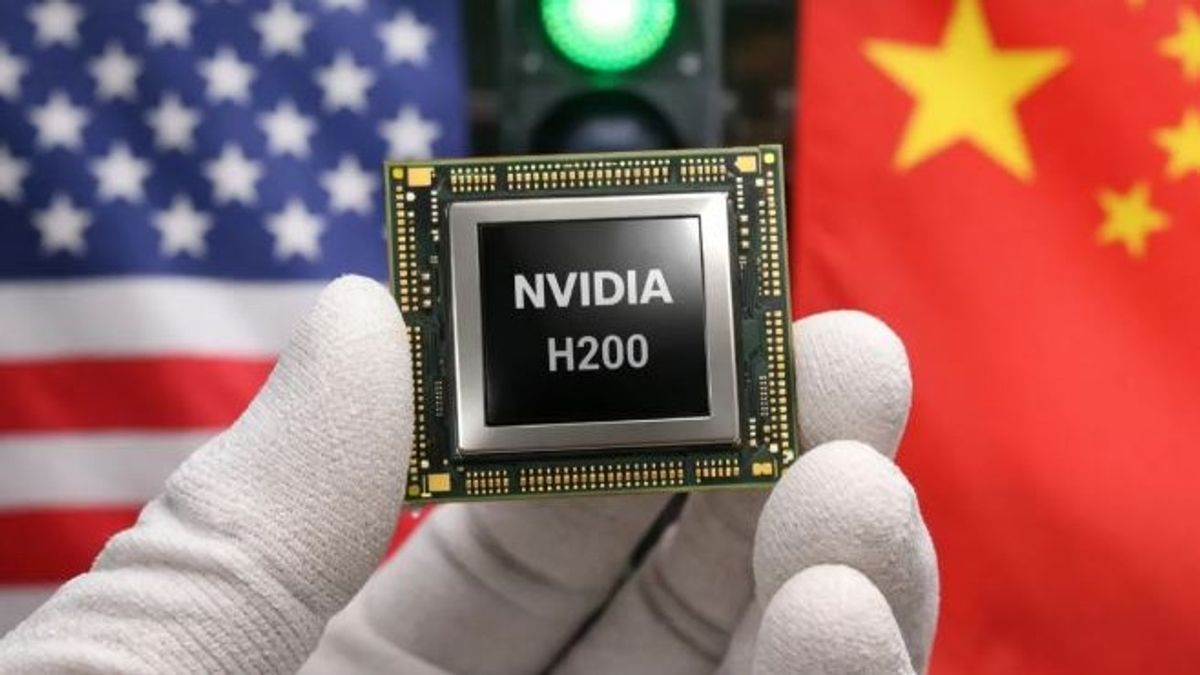
Under former leadership, Nvidia had spent years lobbying regulators to preserve access to Chinese customers. President Donald Trump ultimately eased restrictions following a summit with Chinese President Xi Jinping, permitting sales of the H200 chip to approved domestic firms under strict licensing conditions, as reported by Fox News.
Despite that formal approval, shipments stuttered. Beijing actively restricted large-scale imports as part of a broader push to foster domestic self-sufficiency and reduce reliance on American technology, leaving hundreds of thousands of processors stranded in storage facilities across Hong Kong, according to The Times of India.
At the same time, Nvidia faced mounting political scrutiny over its vetting procedures and past sales. The company sold licensed Hopper products worth $2.4 billion to China during the third quarter, but subsequent shipments have ground to a complete halt, according to English Ajel and Bloomberg Law.
The sudden shift coincides with major leadership upheaval at the chipmaker. Former CEO Jensen Huang resigned following intense public scrutiny regarding his personal life and reports concerning Chinese espionage concerns, as detailed by Gizmodo and The Tech Buzz. Huang had long championed the Chinese market as vital to the broader technology industry, warning that aggressive curbs would merely accelerate domestic alternatives. His departure, alongside Kress stepping into the interim chief executive role, has ushered in a more risk-averse corporate posture aimed at prioritizing regulatory certainty over contested overseas revenue streams.
Congressional investigators and the United States Department of Commerce have concurrently intensified pressure on cross-border technology transfers. According to reporting highlighted by Yahoo! Finance Canada, a congressional commission warned that the Chinese military continues to seek advanced foreign semiconductors to power its "intelligentized warfare" initiatives, often attempting to evade existing export controls.
| Metric / Indicator | Previous Outlook / Figure | Current Status |
|---|---|---|
| Licensed Hopper Sales to China (Q3) | $2.4 Billion recorded | Ceased entirely |
| Hopper Products in Guidance | Included in prior forecasts | Zero licensed products included |
The financial impact of abandoning the Chinese market appears heavily cushioned by surging domestic and international demand for artificial intelligence infrastructure. Interim chief executive Colette Kress raised the firm's growth outlook for the upcoming fiscal year while noting that total industry order backlogs remain robust.
Yet the vacuum left by Nvidia's withdrawal opens significant runway for local competitors within the Chinese market. Domestic challengers such as Huawei and various state-backed semiconductor startups are accelerating production of homegrown hardware. While local accelerators traditionally lag behind western alternatives in raw computing power, their affordability and accessibility present a formidable long-term alternative for regional developers.
What to Watch Next
- Congressional hearings scheduled for early December regarding semiconductor export enforcement and corporate oversight.
- Further regulatory publications from the Department of Commerce detailing stricter restrictions on remote data center access to American chips.
- Official updates from Nvidia regarding the permanent leadership search following the board's refusal to reinstate its former chief executive.