RIL plans CBM development to boost gas output
Reliance Industries is expanding coal bed methane extraction in Madhya Pradesh with a 580-well project to bolster domestic natural gas supply. This development supports India's goals to increase the share of gas in the national energy mix.
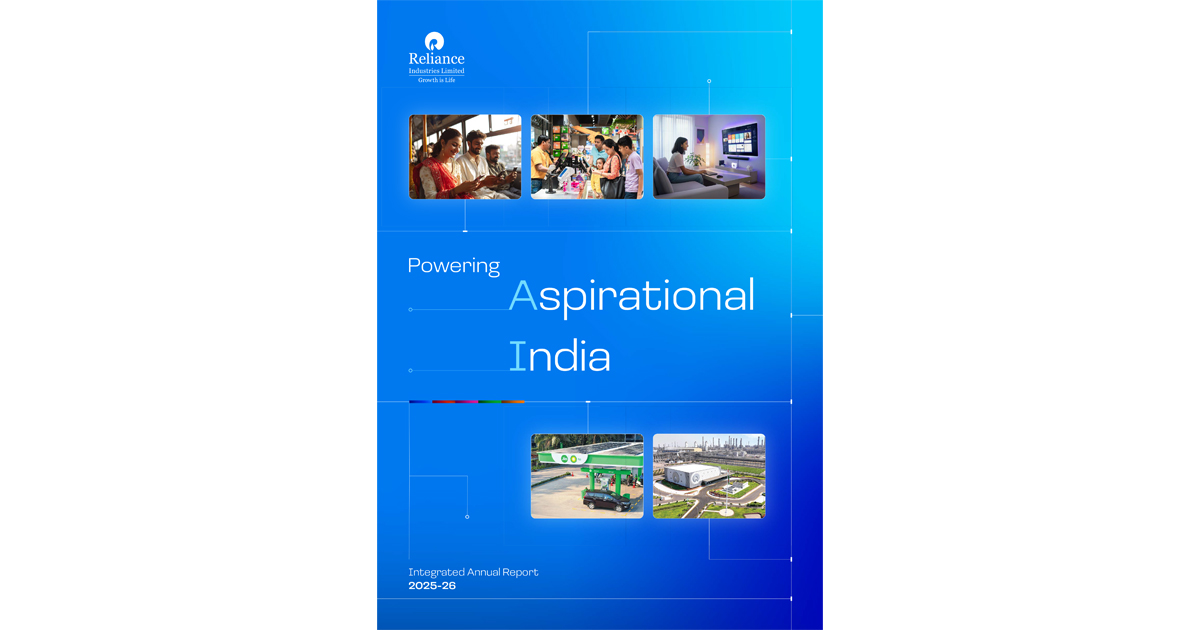
- Core Development: Reliance Industries is expanding coal bed methane extraction in Madhya Pradesh with a 580-well project to bolster domestic natural gas supply. This development supports India's goals to increase the share of gas in the national energy mix.
- Beat Context: Categorized under Business with independent corroboration.
- Reporting Depth: 3 minute analytical read synthesized from verified newsroom sources.
Reliance Industries Limited (RIL) is moving to expand its coal bed methane (CBM) extraction footprint in Madhya Pradesh. The company has secured preliminary regulatory approval for development work across the Sohagpur East and West blocks. This project aims to bolster domestic gas supplies by tapping deeper into the coal-rich basins located within the Shahdol and Anuppur districts.
The proposed expansion is a substantial infrastructure undertaking. RIL plans to drill 580 new wells and install four gas-gathering stations to collect and process the additional output. The company has committed an investment of over Rs 1,000 crore to facilitate this phase of development. The current portfolio covers 995 square kilometres and already hosts more than 300 production wells. Output from the existing SP (West)-CBM-2001/1 block reached an average of 0.88 million standard cubic meters per day (mscmd) in the financial year 2025-26, aided by a multi-lateral horizontal well programme that the company notes is the first of its kind in India. This specific technology has been credited with reversing previous field declines.
Media additions


The extracted gas is transported to the national grid via the 304-kilometre Shahdol-Phulpur natural gas pipeline, which is operated by a subsidiary of the company. This target is intended to improve the share of domestically produced gas within the national energy mix, supporting India’s long-term energy security goals.
The broader context for this move is a push by the firm to maximize recovery from existing assets while simultaneously pursuing infrastructure-led exploration. In the financial year 2025-26, the company’s exploration and production division reported that its gas portfolio contributed nearly 30% of the country’s domestic gas production. Despite a general decrease in revenues and EBITDA for the period—attributed largely to natural production declines in the KG D6 block and lower price realisations—the company noted that increased CBM gas production helped partially offset these impacts. RIL’s annual report indicates that natural gas is expected to play a critical role in India’s energy transition, with the government targeting a rise in the share of gas in the energy mix from 6% to 15% by 2030.
The expansion also aligns with the company’s internal sustainability targets. RIL is working toward a goal of Net Carbon Zero by 2035. As part of this transition, it is also constructing a large-scale integrated compressed biogas platform, aiming for 1 million tonnes of annual capacity over the next five years. This platform is designed to convert industrial waste, agricultural residue, and energy crops into clean fuel, complementing the extraction of coal-associated methane.
While RIL moves forward with its plans in Madhya Pradesh, the global energy industry is seeing other firms adjust their portfolios. For instance, 1947 Oil & Gas plc has signed a term sheet to acquire Renaissance Offshore, a firm with operations in the Gulf of Mexico.
The immediate outlook for the Sohagpur project remains tethered to the final regulatory outcome. RIL confirmed on 11 July 2026 that while preliminary hurdles have been cleared, the project awaits a final decision before full-scale drilling and infrastructure works can proceed. The company continues to navigate various sub judice disputes related to its exploration and production business, as detailed in its latest financial disclosures. For now, the firm’s focus remains on prioritising production sustenance and efficient development to meet rising demand in the coming years.
How significant is this development?
Contribute your assessment to the aggregated reader sentiment ledger.
Frequently Asked Questions
Key questions answered in this reportWhat is the key development in: RIL plans CBM development to boost gas output?
Reliance Industries is expanding coal bed methane extraction in Madhya Pradesh with a 580-well project to bolster domestic natural gas supply. This development supports India's goals to increase the share of gas in the national energy mix.
Why is this Business development significant for the UK?
This report covers critical events in our Business beat. Independent reporting monitors related UK statements, regulatory shifts, and public responses as further verified details emerge.
How was this reporting corroborated and verified?
Newsarchy UK compiles and cross-references reporting from primary reporting from ril.com and cross-checked wire reports. All coverage adheres to published editorial standards.
When was this report published?
This briefing was published on July 12, 2026 and is permanently cataloged in the Newsarchy UK Business archives.