Singapore graduates struggle to secure roles despite high vacancy rates
Despite official data showing thousands of entry-level vacancies, new graduates report significant struggles securing roles due to cautious hiring and automated filters. Experts suggest networking, soft skills, and certifications as strategies for navigating this challenging landscape.

- Core Development: Despite official data showing thousands of entry-level vacancies, new graduates report significant struggles securing roles due to cautious hiring and automated filters. Experts suggest networking, soft skills, and certifications as strategies for navigating this challenging landscape.
- Beat Context: Categorized under Business with independent corroboration.
- Reporting Depth: 3 minute analytical read synthesized from verified newsroom sources.
While official data points to a steady supply of entry-level openings, recent university leavers across the globe are describing a hiring landscape defined by automated rejections, intense competition, and a pervasive sense of helplessness. This disconnect between statistical vacancy rates and the lived experience of job seekers has created what many are calling the most challenging entry-level market since the pandemic began.
The Disconnect: Data vs. Experience
Official reports often present a buoyant outlook. For instance, recent manpower data from Singapore indicated there were 32,800 entry-level vacancies for professionals, managers, executives, and technicians (PMETs) as of March. Despite these thousands of available roles, graduates report a different reality. The disconnect is not limited to one region; in the United States, recent Federal Reserve Bank of New York analysis shows the unemployment rate for college graduates aged 22 to 27 rose to around 5.6% by late 2025. This is notably higher than the broader labor force unemployment rate, reflecting a structural hurdle for those attempting to secure their first significant role.
Media additions


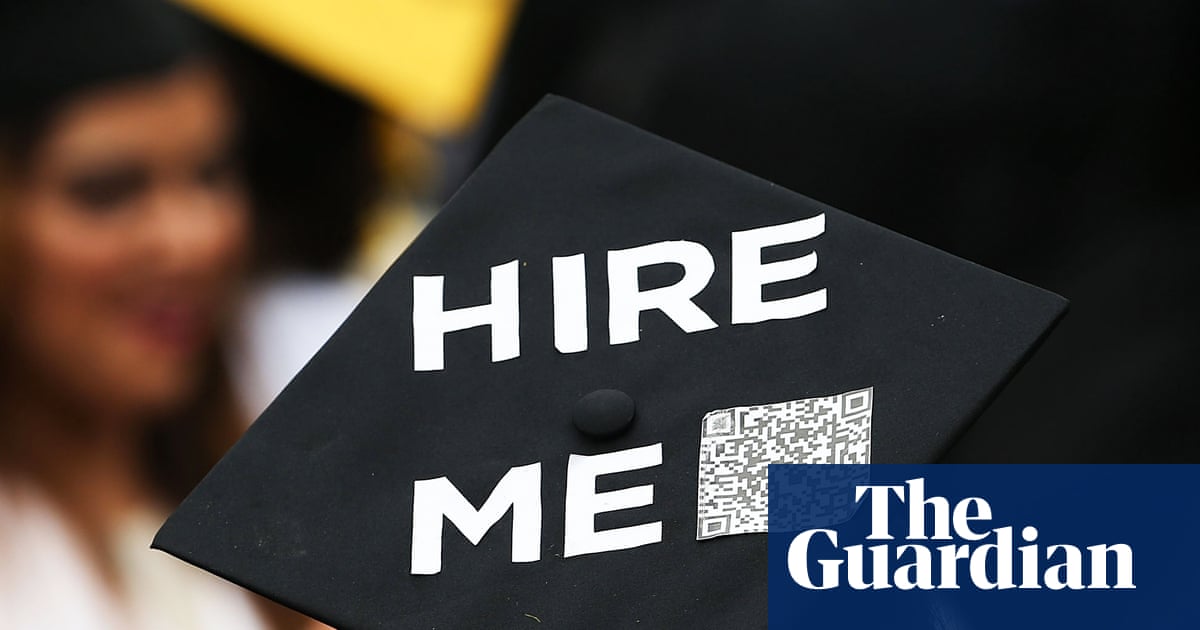
The "low hire, low fire" dynamic—a trend noted by experts at the Economic Innovation Group—suggests that while companies are not conducting mass layoffs, they are also stalling on new recruitment. Consequently, many graduates find themselves competing for a shrinking pool of opportunities against experienced workers who are choosing to stay in their current positions longer due to economic uncertainty.
The "Invisible" Hurdles
For many applicants, the barrier to entry is increasingly technological. Automated hiring systems now screen resumes for specific keywords, often weeding out candidates before a human recruiter sees their application. This shift has forced graduates to spend extensive time tailoring every application, yet many still report being "ghosted" by employers. Udemy economist Mischa Fisher suggests that students must now find additional signals of skill beyond their degree to stand out, including certifications and demonstrated soft skills.
The rise of artificial intelligence has further complicated the narrative. While some experts, such as Forbes contributors, argue that AI is beginning to automate tasks once performed by entry-level white-collar workers, others see a more nuanced impact. Graduates interviewed expressed concerns that the technology may shift job requirements faster than they can adapt, leading to uncertainty about the long-term viability of their chosen career paths.
Navigating the Landscape
In response to these conditions, many graduates are adopting strategies to build experience outside of traditional hiring channels. United Way Worldwide leadership emphasizes the importance of volunteerism and project-based work as ways to develop professional networks and bridge the gap between academic theory and workplace expectations. Experts recommend several tactical shifts for those entering the market:
- Leverage Personal Connections: With online application portals flooded with hundreds of resumes for a single role, networking through alumni associations and professional contacts is often more effective than "cold" applications.
- Prioritize Soft Skills: Communication, empathy, and critical thinking remain highly valued by employers, even as technical demands evolve.
- Expand the Scope: Many successful applicants are broadening their search to industries or roles outside of their primary field of study to get a "foot in the door."
- Seek Certifications: Acquiring technical credentials in data analytics or AI-related tools can distinguish candidates who can apply technology effectively.
What to Watch Next
| Indicator | Potential Impact |
|---|---|
| Hiring Sentiment | Many employers remain cautious; expect continued competition for entry-level roles. |
| AI Integration | Ongoing automation may reduce the volume of traditional tasks, necessitating skill pivots. |
| Policy Shifts | Changes in government spending and trade policy will likely influence hiring cycles in the public and trade sectors. |
As the job market for new graduates remains fragile, many are finding that their early career path is less of a straight line and more of an extended period of adjustment. The focus for many has shifted from securing the "dream job" to simply establishing a foothold in a changing economy.
How significant is this development?
Contribute your assessment to the aggregated reader sentiment ledger.
Frequently Asked Questions
Key questions answered in this reportWhat is the key development in: Singapore graduates struggle to secure roles despite high vacancy rates?
Despite official data showing thousands of entry-level vacancies, new graduates report significant struggles securing roles due to cautious hiring and automated filters. Experts suggest networking, soft skills, and certifications as strategies for navigating this challenging landscape.
Why is this Business development significant for the UK?
This report covers critical events in our Business beat. Independent reporting monitors related UK statements, regulatory shifts, and public responses as further verified details emerge.
How was this reporting corroborated and verified?
Newsarchy UK compiles and cross-references reporting from primary reporting from sgmylive.com and cross-checked wire reports. All coverage adheres to published editorial standards.
When was this report published?
This briefing was published on July 16, 2026 and is permanently cataloged in the Newsarchy UK Business archives.