Wall Street stocks rise on cooling inflation and strong quarterly earnings
Major equity indexes finished in positive territory as a decline in the Producer Price Index signaled cooling inflation, shifting expectations for Federal Reserve policy.
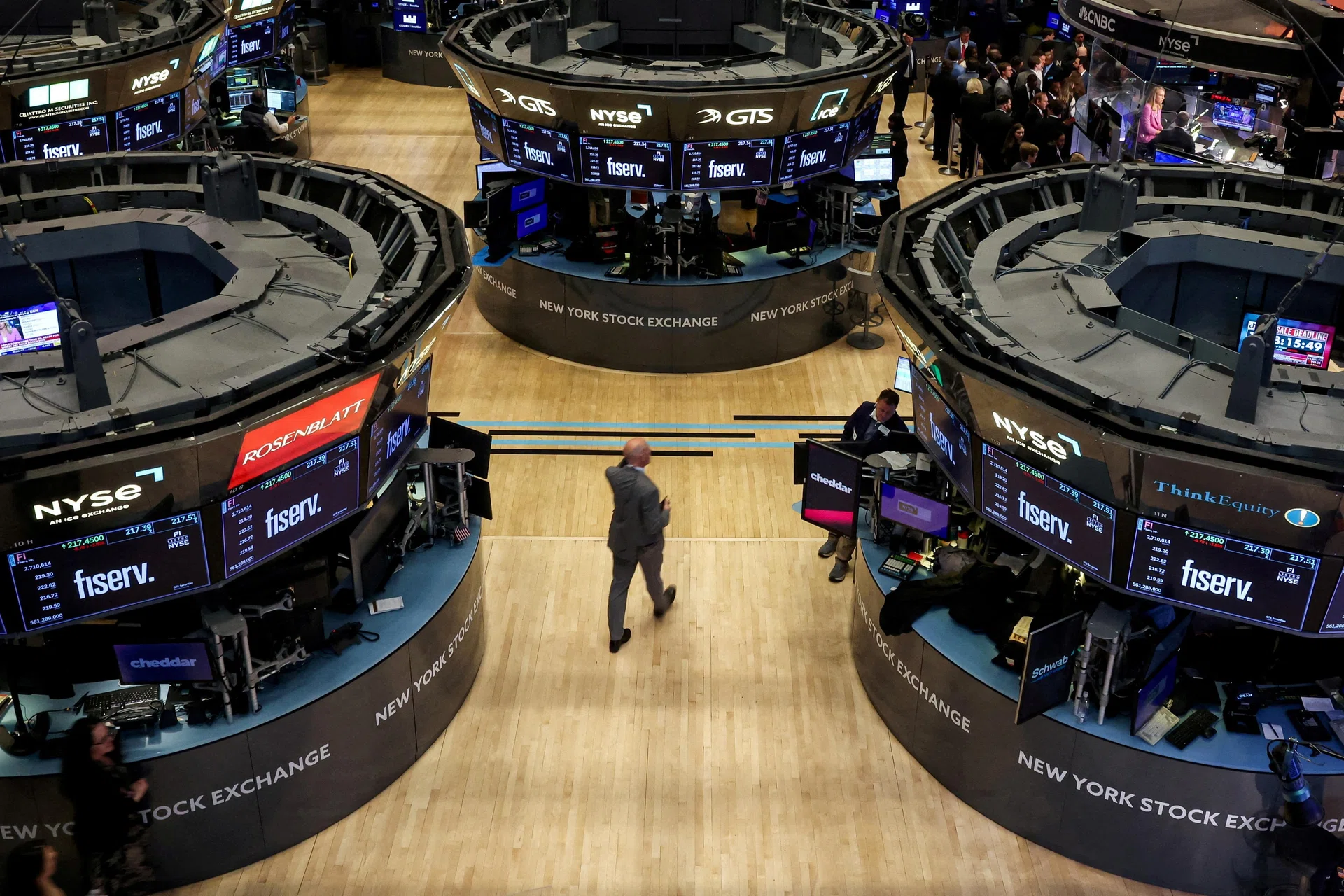
- Core Development: Major equity indexes finished in positive territory as a decline in the Producer Price Index signaled cooling inflation, shifting expectations for Federal Reserve policy.
- Beat Context: Categorized under Business with independent corroboration.
- Reporting Depth: 3 minute analytical read synthesized from verified newsroom sources.
Wall Street stocks extended a broad market rally on Wednesday, 15 July 2026, as investors reacted to a combination of cooling producer inflation and a robust start to the second-quarter earnings season. Despite ongoing geopolitical volatility linked to the conflict between the United States and Iran, major equity indexes finished the session in positive territory.
The Dow Jones Industrial Average concluded at 52,659.18, representing a rise of 0.29 percent. The S&P 500 gained 0.38 percent to reach 7,572.42, while the Nasdaq Composite climbed 0.62 percent to 26,269.23.
Media additions
Market Drivers and Inflation Data
Investor sentiment was bolstered by the Labor Department’s Producer Price Index (PPI) report for June, which revealed a 0.3 percent monthly decline in wholesale prices. This followed Tuesday's release of the Consumer Price Index, which also showed inflation cooling more than anticipated. According to Bill Adams, chief economist at Fifth Third Bancorp, the PPI data was particularly significant due to downward revisions in inflation figures from preceding months, potentially signaling that inflationary pressures are less severe than previously estimated.
These developments have shifted market expectations regarding the Federal Reserve's monetary policy. Financial markets are currently pricing in a 10.2 percent likelihood of a 25-basis-point rate hike at the end of July, a decline from the 31 percent probability observed a week earlier, according to the CME’s FedWatch tool. The inflation report seems to have weakened the argument that the Fed is going to raise rates,
Chuck Carlson, chief executive at Horizon Investment Services, via Aol. Despite this, New York Fed President John Williams maintained a cautious stance, noting that while inflation appears to have peaked, policymakers remain data-dependent and divided on the path forward.
Corporate Earnings and Notable Movers
The second-quarter earnings season has provided a boost to risk appetite. Bank results were a focal point, with both BlackRock and Morgan Stanley beating quarterly profit expectations. BlackRock reported record inflows, while Morgan Stanley saw revenue growth driven by strong mergers and acquisitions activity and trading performance. Conversely, Citigroup shares declined following a warning regarding higher expenses for the remainder of the year.
The tech and financial sectors saw significant individual movements:
- PayPal: Shares surged by 17.2 percent following reports that a consortium led by Stripe and private equity firm Advent International had submitted a takeover bid.
- Aehr Test Systems: The semiconductor testing equipment maker saw its stock price rise after reporting earnings that exceeded analyst expectations.
- Semiconductors: Despite a rally in other tech segments, semiconductor stocks generally faced weakness during the session.
- Apple: The company reached a record closing high of $327.50, supported by reports regarding generative AI approvals in China.
Geopolitical Context and Future Outlook
While economic data provided tailwinds, the Middle East conflict continues to influence market sentiment. Recent escalations involving the United States and Iran, particularly concerning control of the Strait of Hormuz, have caused upward pressure on crude oil prices. Analysts caution that energy costs could remain a wildcard for inflation projections.
Looking ahead, market participants are focused on the upcoming earnings calendar, which includes results from UnitedHealth Group, GE Aerospace, and Taiwan Semiconductor Manufacturing (TSMC). Investors will also be watching for further signals on consumer health and whether the resilience of corporate profits can offset the uncertainties surrounding energy prices and potential supply chain disruptions.
The current market environment remains characterized by what analysts describe as cautious optimism. While the Federal Reserve is under less pressure to implement rate hikes in the near term, the reliance on data means that any shift in inflation trends or geopolitical stability could lead to renewed volatility. Traders and portfolio managers are expected to continue monitoring developments in the financial sector as more firms report second-quarter performance throughout the remainder of the week.
How significant is this development?
Contribute your assessment to the aggregated reader sentiment ledger.
Frequently Asked Questions
Key questions answered in this reportWhat is the key development in: Wall Street stocks rise on cooling inflation and strong quarterly earnings?
Major equity indexes finished in positive territory as a decline in the Producer Price Index signaled cooling inflation, shifting expectations for Federal Reserve policy.
Why is this Business development significant for the UK?
This report covers critical events in our Business beat. Independent reporting monitors related UK statements, regulatory shifts, and public responses as further verified details emerge.
How was this reporting corroborated and verified?
Newsarchy UK compiles and cross-references reporting from primary reporting from economictimes.indiatimes.com and cross-checked wire reports. All coverage adheres to published editorial standards.
When was this report published?
This briefing was published on July 16, 2026 and is permanently cataloged in the Newsarchy UK Business archives.