US Senate Republicans release revised Clarity Act ahead of crucial crypto vote
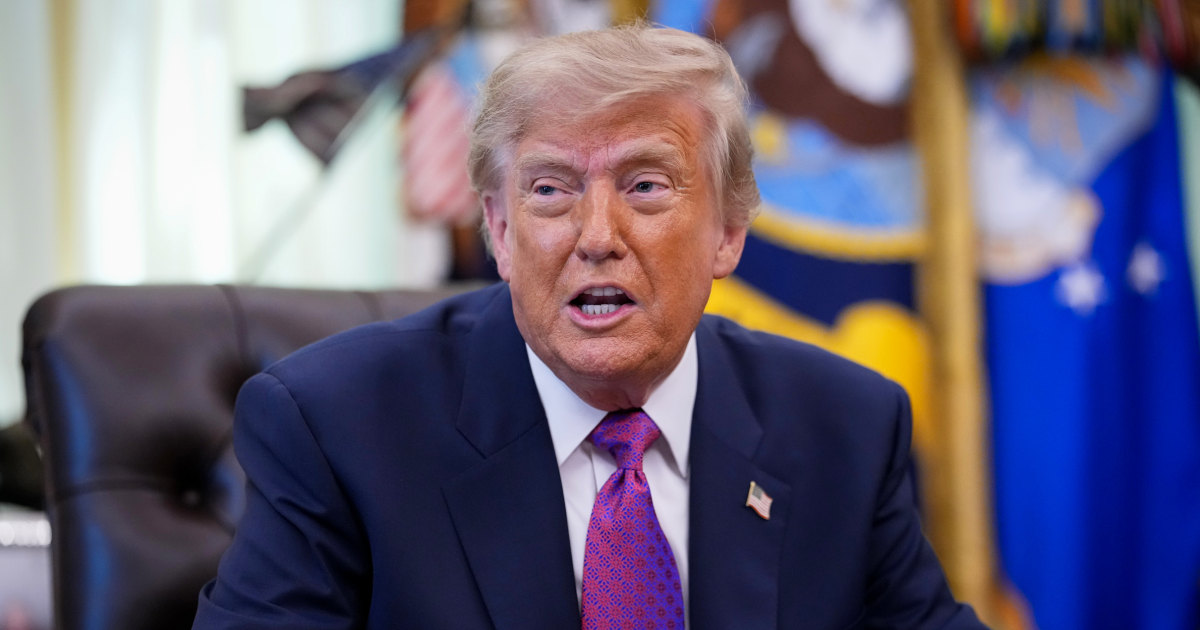
Senate Republicans have unveiled a heavily revised draft of the Clarity Act, featuring stricter ethics rules and Trump's backing ahead of a high-stakes cloture vote.

U.S. Senate Republicans released a revised draft of the Clarity Act, introducing sweeping changes designed to rescue the major cryptocurrency legislation before a high-stakes procedural vote. The updated package arrives as lawmakers race against the legislative calendar, with proponents attempting to bridge deep partisan divides over ethics rules and banking stability ahead of Tuesday, 15 September 2026.
The updated legislative text incorporates over a hundred modifications aimed at satisfying key Democratic demands, according to reporting by KITCO and Yahoo Finance. Chief among these concessions is a reworked ethics framework that secures the backing of President Donald Trump. Under the revised terms, federally elected officials, judges, and their spouses must either divest substantial digital asset interests or place them in qualified blind trusts, backed by civil penalties and enforcement powers granted to state attorneys general.
Media additions

The inclusion of robust ethics constraints marks a notable shift for the White House. Following high-level discussions, the administration endorsed roughly eighty percent of an earlier ethics proposal put forward by Senator Thom Tillis and Senator Ruben Gallego, as detailed by Yahoo Finance. The framework extends coverage to officials elected but not yet sworn into office, while dropping earlier sunset provisions that would have dissolved the restrictions when the presidency changes hands.
Despite these concessions, the path forward remains fraught with opposition from traditional financial institutions. The American Bankers Association, alongside state banking associations and community banking groups, continues to push back against language governing stablecoin rewards and yield programs, warning of potential deposit flight. To counter these fears, Republicans introduced a regulatory circuit breaker empowering the Treasury Secretary to intervene if community bank deposits experience severe shifts, though banking representatives have yet to signal whether the safeguard changes their stance.
At the same time, crypto advocates expressed mixed reactions to narrower protections within the Blockchain Regulatory Certainty Act. The revised text shields software developers, miners, and validators from money transmission registration requirements under the Bank Secrecy Act, but removes explicit shielding from criminal prosecutions under specific federal statutes—a change characterized by industry observers as a compromise with prosecutors.
The legislative battle converges on a crucial cloture vote scheduled for Tuesday afternoon. Advancing the motion requires securing sixty votes, meaning Republican sponsors must peel off at least seven Democratic senators, alongside managing potential defections within their own caucus, as reported by Yahoo Finance and Pymnts.
| Provision | Previous Sticking Point | Revised Text Impact |
|---|---|---|
| Ethics Rules | Resistance to regulating official crypto holdings | Mandatory divestment or blind trusts for officials and spouses, with state AG enforcement |
| Stablecoin Yields | Banking sector fears over systemic deposit flight | Addition of a Treasury Secretary circuit breaker for community bank deposits |
| Developer Protections | Broad legal exemptions and money transmission rules | Civil safe harbors maintained under Bank Secrecy Act, but criminal prosecution shields narrowed |
Supporters of the legislation argue that the current moment represents a generational opportunity to establish a federal framework for digital assets. Meanwhile, industry analysts have adjusted their passage probability metrics upward following the weekend text release, while cautioning that narrow legislative timelines remain a severe impediment.
What happens next depends entirely on the outcome of Tuesday's procedural vote in the Senate. If the measure clears the sixty-vote threshold, lawmakers will open formal debate on the floor, setting up subsequent negotiations and potential amendments before any final congressional passage can occur.