UK energy bills to rise 26% in January as Middle East war drives up costs
British households face a staggering surge in domestic fuel expenses as geopolitical conflict abroad drives up wholesale energy markets, pushing the Ofgem price cap up 26% in January.
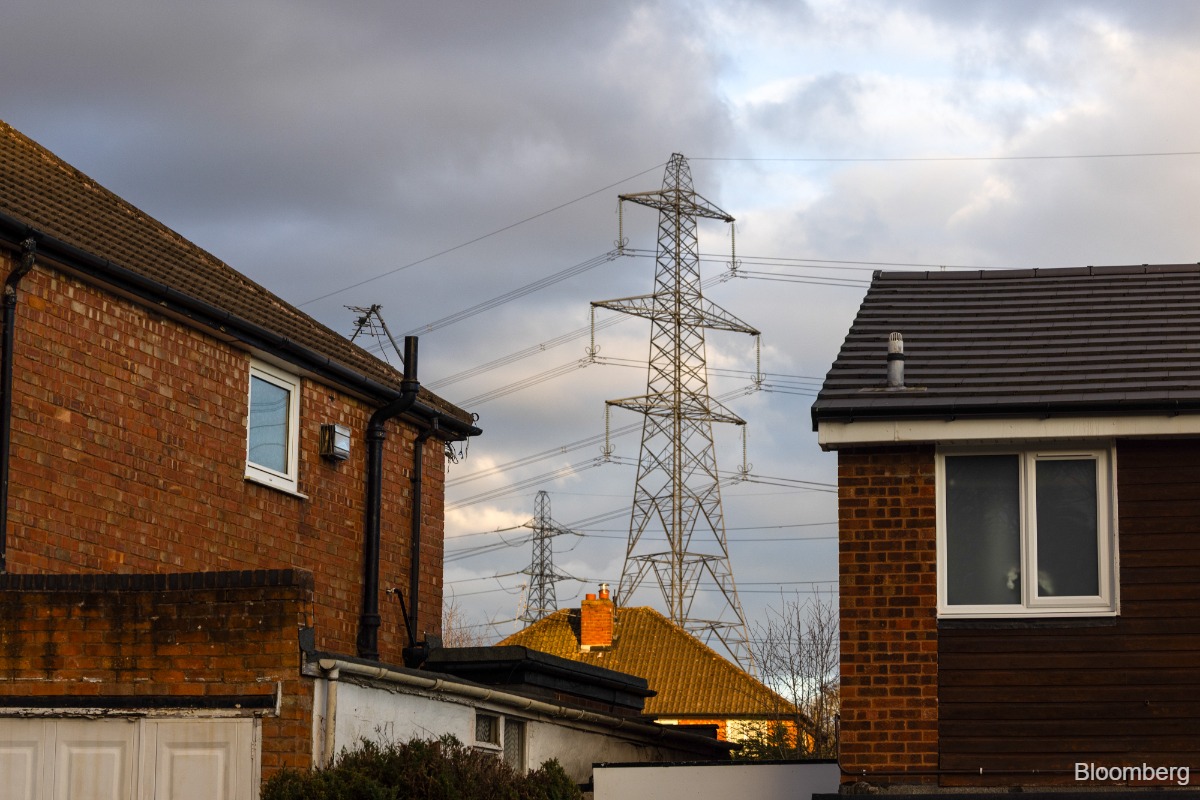
British households face a staggering surge in domestic fuel expenses as geopolitical conflict abroad drives up wholesale energy markets. The crisis has left Britain heavily exposed to volatile international gas markets, compounding financial pressures across the economy as winter demand sets in.
The Ofgem energy price cap is set to climb by 26% from January, driving typical annual bills to £2,166 according to energy consultancy Cornwall Insight Ltd. According to London Business News, this escalation stems from escalating blockades and pipeline attacks across the Middle East that have choked global fuel supplies. Disruptions include the continuing blockade of the Strait of Hormuz by Iran and a Houthi rebel attack on Saudi Arabia's East-West pipeline, alongside Qatar maintaining a suspension of liquefied natural gas shipments.
Media additions

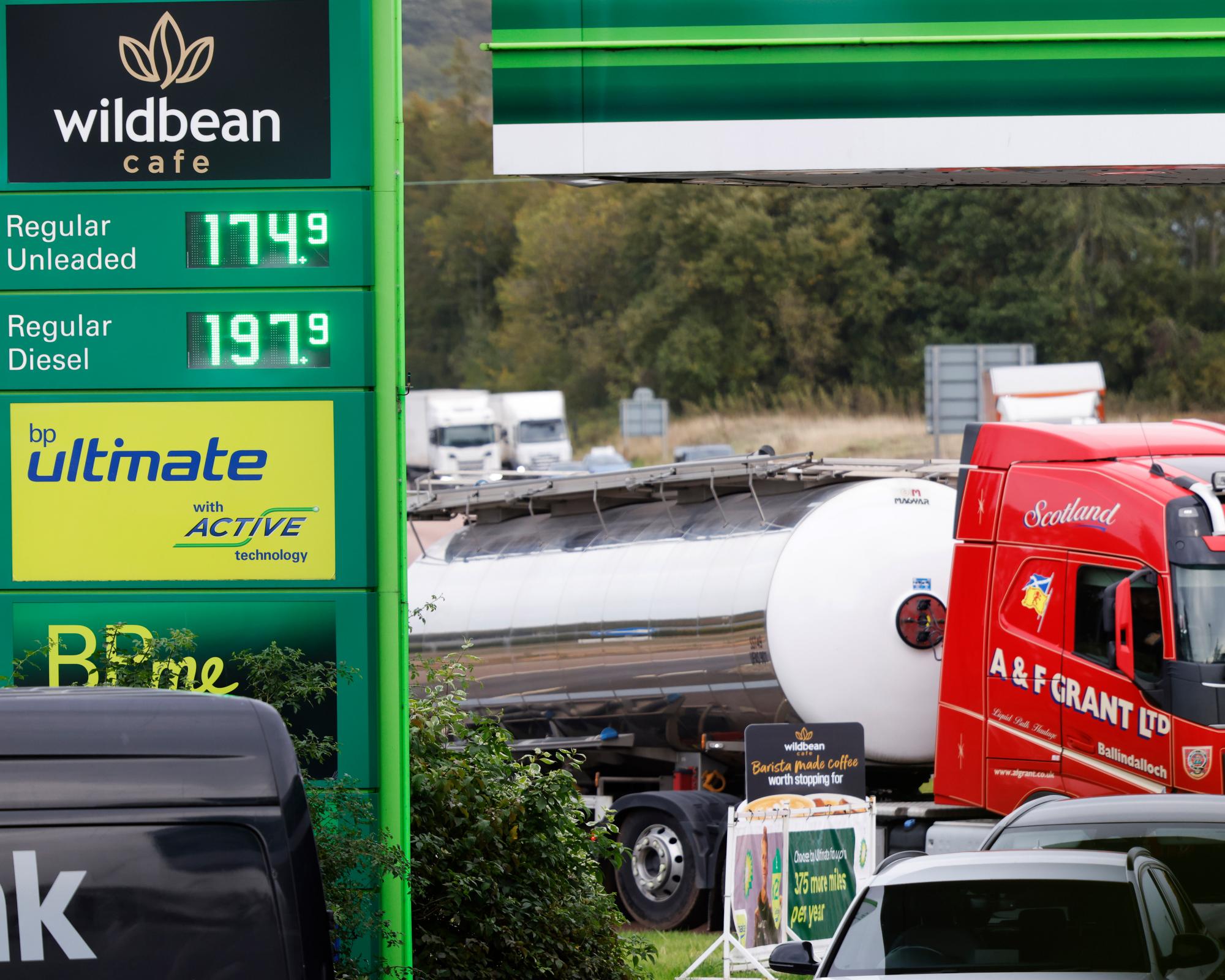

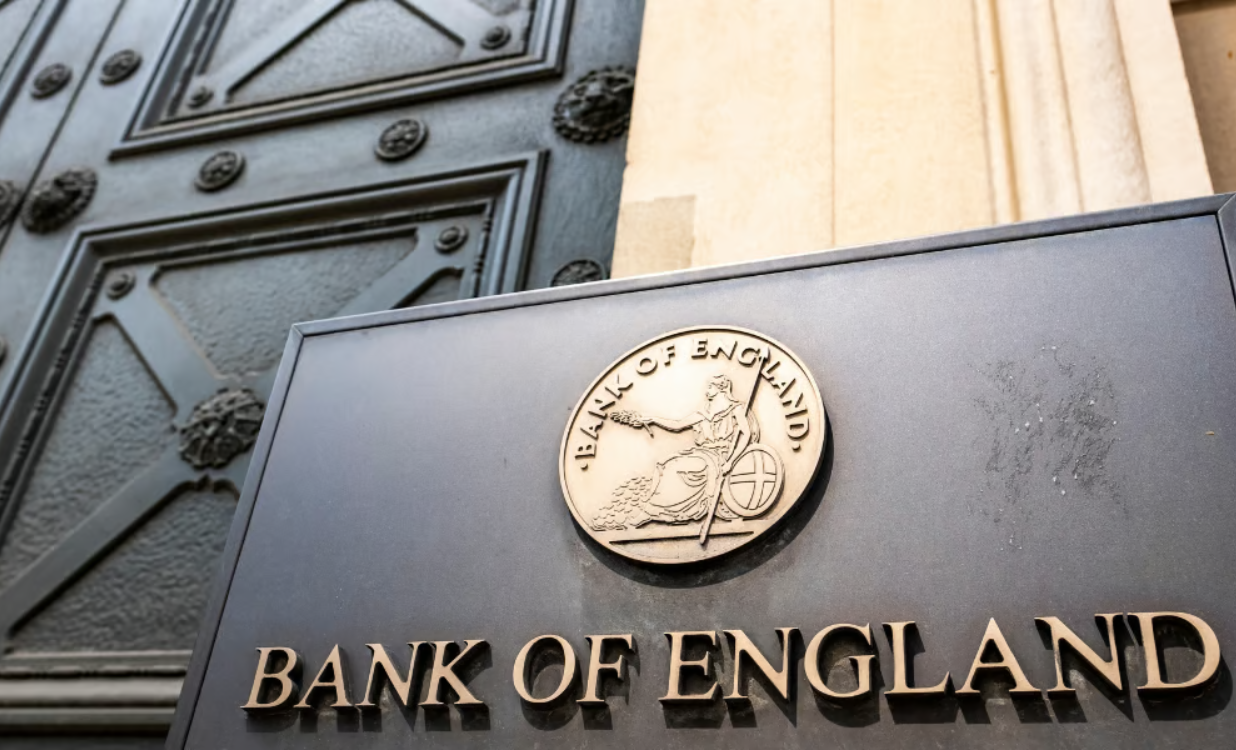
The crisis has intensified the ongoing cost-of-living crunch. Inflation climbed to 3.6% in October as reported by Aol, driven by record highs in retail fuel prices. Pump prices for petrol reached a four-year high of 174.7p a litre, while diesel hit an all-time record of 199.5p a litre according to the Office for National Statistics. These soaring costs have heightened pressure on the Bank of England, which raised borrowing costs to 4% earlier this autumn, with financial markets anticipating further adjustments.
Energy Secretary Miatta Fahnbulleh criticised the reliance on volatile markets via The Edge Malaysia.
"For too long, British families have been paying the price for conflicts overseas and volatile fossil fuel markets,"
Miatta Fahnbulleh, Energy Secretary, via The Edge Malaysia
Prime Minister Andy Burnham’s government has attempted to shield consumers by temporarily removing VAT from the electricity portion of utility bills noted AOL, though critics note this saves the average household only £25 over the winter months. Chancellor John Healey announced a £100 winter payment targeted at 20 million households in council tax bands A to D, payable from January according to Treasury reports. However, industry body Energy UK estimates that the January price hike alone will add more than £80 a month, totaling an extra £240 across the three coldest winter months.
The broader economic fallout continues to trouble policymakers and financial institutions. Threadneedle Street officials warned that persistent energy shocks could force additional interest rate hikes noted AOL, with financial markets pricing in further adjustments.
Energy UK reports that total energy debt is likely to rise towards £7 billion by the end of the year and could hit £8 billion next year. Households are increasingly vulnerable as domestic energy debt reached a record £5 billion in the second quarter, almost double its level three years earlier.
As households brace for the colder months, many are resorting to rationing their use or avoiding turning on the heating altogether. Industry analysts note that typical annual dual-fuel bills will be around 120% higher than the average before the 2022 energy crisis caused by Russia’s full-scale invasion of Ukraine. Wholesale energy prices have more than doubled since the US-Iran war began earlier this year, driving up gas futures and power contracts.
Cornwall Insight notes that bills are expected to remain above £2,000 throughout 2027, with prices forecast to fall just 1% when the cap changes again in April. With inflation expected to accelerate further according to Bloomberg Economics, the upcoming months will test the resilience of British consumers and the effectiveness of government support measures as winter weather sets in.