US cyclosporiasis outbreak hits 7,000 cases as source remains unknown
Public health officials are investigating a widespread cyclosporiasis outbreak spanning 34 states, with 1,645 confirmed cases and thousands more under review.

Public health authorities in the United States are managing a widespread outbreak of cyclosporiasis, a parasitic infection that has reached 34 states. As of Saturday, 18 July 2026, the Centers for Disease Control and Prevention (CDC) has confirmed 1,645 cases of the illness, with more than 5,100 additional cases currently under investigation. While the confirmed count sits at 1,645, health officials emphasize that the actual number of infections is likely significantly higher, as many patients recover without seeking medical intervention or formal testing.
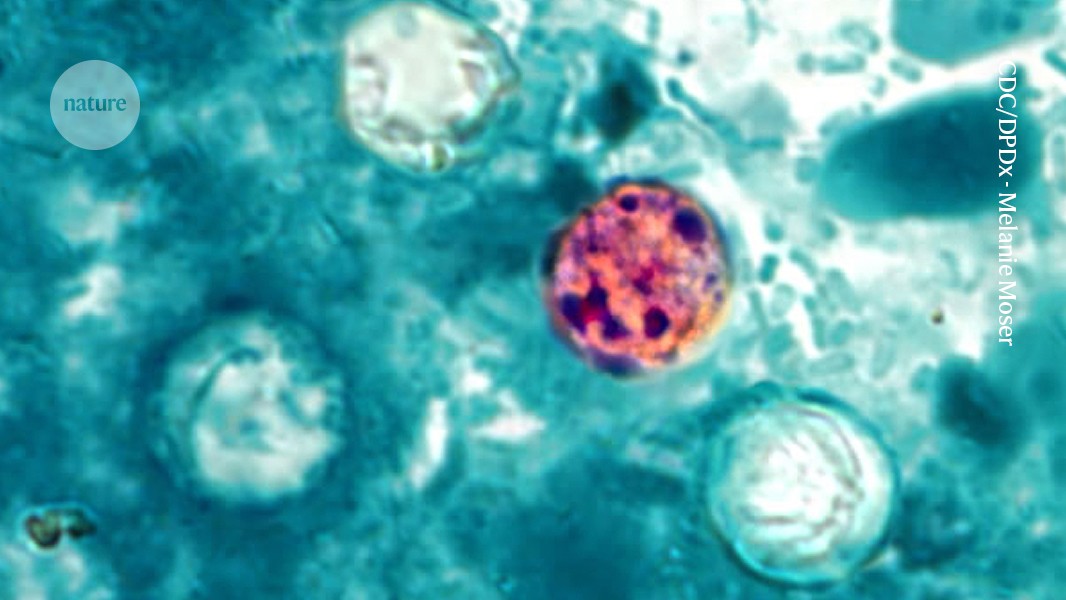
The infection is caused by Cyclospora cayetanensis, a microscopic parasite that typically spreads through water or food contaminated with feces. While the condition is rarely fatal, it causes frequent, watery, and sometimes explosive
diarrhea that can persist for weeks if left untreated. Medical professionals treat the infection with specific antibiotics, though the condition can lead to severe dehydration and electrolyte imbalances if not addressed.
Media additions

Outbreak Scope and Identification
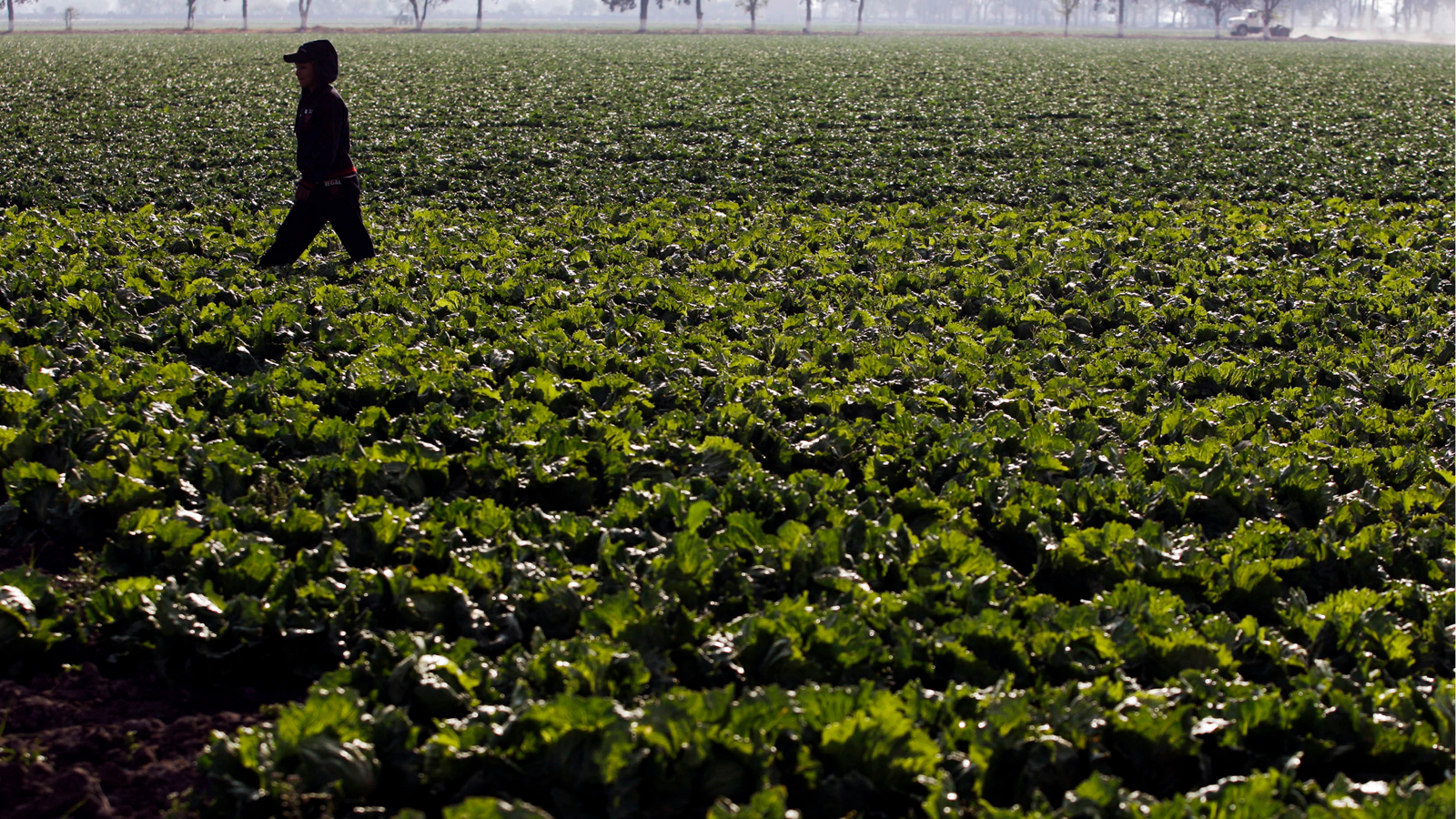
Investigators have linked a cluster of at least 400 cases in Indiana, Kentucky, Michigan, Ohio, and West Virginia to shredded iceberg lettuce served at Taco Bell locations. Following this determination, the supplier, Taylor Farms, indefinitely removed all iceberg lettuce from its supply chain. Taco Bell confirmed it removed the affected product voluntarily, replacing it with supply from alternative sources.
Despite this specific discovery, experts such as Wade Syers, a food safety specialist at Michigan State University, warn that the identified lettuce accounts for only a fraction of the total infections. The CDC and other Health agencies continue to investigate multiple clusters of illness nationally that remain unrelated to the Taco Bell/Taylor Farms incident. The state of Michigan has recorded particularly high case numbers, with thousands of infections reported to state health officials as of 17 July 2026.
The Challenge of Traceability
Epidemiologists face unique hurdles in tracking Cyclospora. According to Jodie Guest, senior vice chair of epidemiology at Emory University’s Rollins School of Public Health, the parasite has an incubation period of one to two weeks, which complicates the process of patients accurately recalling their diet during the window of potential exposure. This timeframe stands in contrast to many other foodborne illnesses, where symptoms often appear within hours of ingestion.
Technical limitations also hamper investigations. Steven Manderach, executive director of the Association of Food and Drug Officials, described the difficulty of testing for the parasite, noting that it requires processing large amounts of produce to detect trace organisms.
"This isn't like detecting a needle in a haystack. It's like detecting a microscopic portion of a needle in a haystack."
Steven Manderach, Association of Food and Drug Officials, via BBC
Debate Over Federal Resources
The investigation has prompted discussion regarding federal oversight and funding. Some health experts have raised concerns that recent budget and staff reductions within the U.S. Department of Health and Human Services (HHS)—carried out as part of a broader government cost-cutting effort—may have hindered the response. These changes included reducing the capacity of the Foodborne Diseases Active Surveillance Network (FoodNet), which previously provided centralized data on pathogens like Cyclospora.
Jodie Guest, who formerly worked at FoodNet, suggested the loss of data capability has left researchers starting in the dark
. Conversely, the HHS maintains that health funding for foodborne diseases has remained stable
. Dan Jernigan, the former director of the CDC’s Emerging and Zoonotic Infectious Diseases division, argued that FoodNet was not designed for real-time outbreak detection and that federal cuts would have had minimal impact on the current surge.
Consumer Guidance
Health departments continue to advise the public on preventative measures. Because Cyclospora is difficult to remove from uneven surfaces, experts recommend thoroughly washing produce, though rinsing does not eliminate the parasite completely. Many specialists suggest cooking vegetables to an internal temperature of at least 158° Fahrenheit to ensure the parasite is destroyed. Medical professionals urge individuals experiencing gastrointestinal distress lasting longer than 48 hours to seek testing, particularly those who are elderly or immunocompromised.