Small businesses plan price hikes as inflation pressures persist
A majority of small-business owners intend to raise prices this year to offset persistent inflationary pressures, rising utility rates, and supply-chain costs. Despite these challenges, many firms remain optimistic about future revenue growth and expansion plans.

- Core Development: A majority of small-business owners intend to raise prices this year to offset persistent inflationary pressures, rising utility rates, and supply-chain costs. Despite these challenges, many firms remain optimistic about future revenue growth and expansion plans.
- Beat Context: Categorized under Cost of Living with independent corroboration.
- Reporting Depth: 4 minute analytical read synthesized from verified newsroom sources.
Small‑business owners and investors are bracing for a wave of price adjustments as the latest surveys and government data reveal that a clear majority intend to raise prices this year.
Survey data shows a strong price‑hike intent
A Bank of America study released in November 2025 surveyed more than a thousand U.S. Firms with annual revenue between $100,000 and $50 million. It found that 64 % of owners plan to increase prices next year, while 88 % say inflation is already hitting their operations. The same poll reported that 75 % are dealing with supply‑chain strain; of those, 52 % are raising prices to offset the squeeze and 32 % reported difficulty sourcing products and services.
Media additions

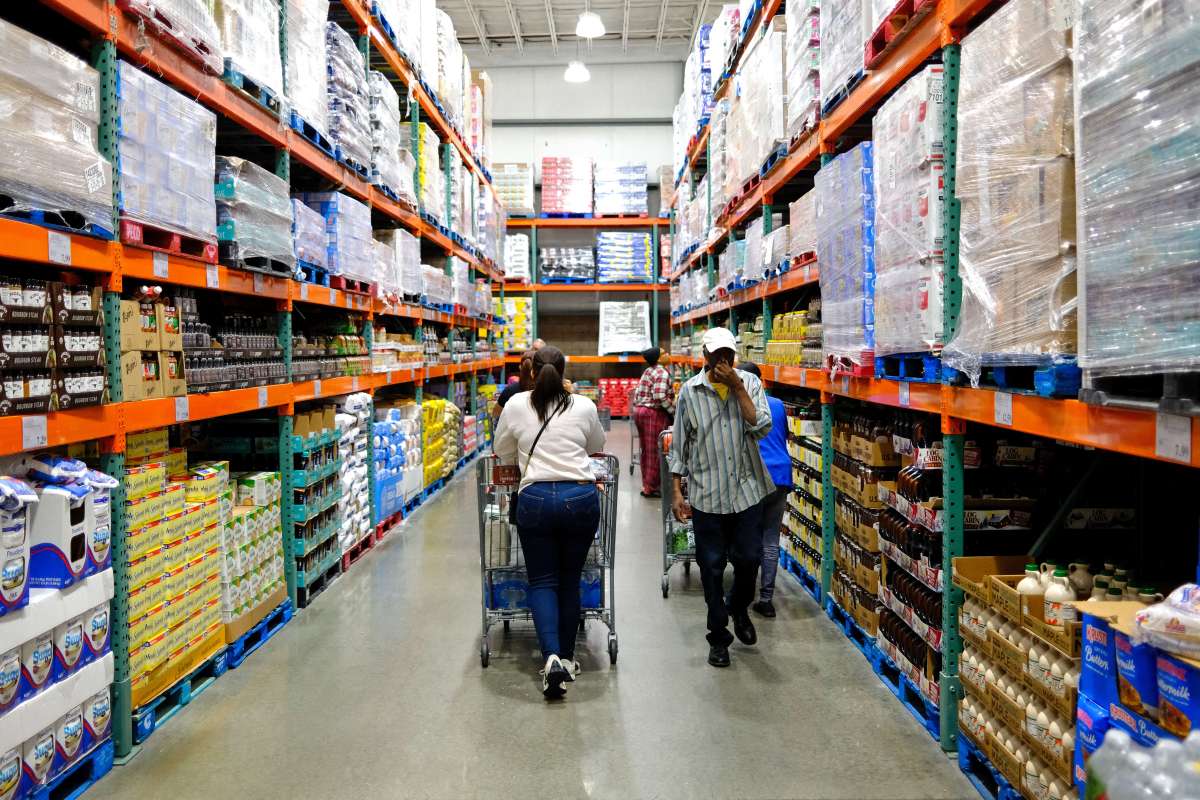

Even as pressure mounts, the report notes that 74 % expect revenue growth and nearly 60 % plan to expand their business. A separate Vistage CEO survey collected between 2 December and 16 December 2025 reported that 57 % intend to raise prices within the next three months, with 8 % targeting hikes of more than ten percent.
Energy costs add to the burden
Electricity pricing has surged faster than overall inflation since 2022, according to the Energy Information Administration. Grist points out that utilities have asked regulators for almost $29 billion in rate increases for the first half of the year, and the World Resources Institute notes that U.S. Utilities have requested total rate hikes of $71.2 billion through 2028. The organization also highlights that electricity rates have risen nearly 30 % since 2010.
Power‑grid challenges are cited as underlying drivers: extreme‑weather events, aging infrastructure and volatile fossil‑fuel costs. The Lawrence Berkeley National Laboratory and Brattle Group study referenced by Wri stresses that these factors combine to push prices upward across regions, so a small hardware store in Kansas may face a different increase than an AI‑powered data centre in Virginia.
Tariffs remain a major cost factor
The Forbes analysis adds that the Trump administration’s tariff regime generates an estimated $202 billion in annual tariff taxes for small businesses that import goods. While the administration has rolled back more than 200 food‑related tariffs, 53 % of owners say national economic conditions would improve if tariff rules stabilized. Analysts at S&P project that total extra costs for U.S. Businesses could exceed $1.2 trillion this year.
Wholesale price pressures are already visible
Bill Adams, chief economist at Comerica Bank, warned that “Businesses were hesitant to raise prices charged to consumers last month, but the prices they charge each other are rising faster, with big increases touching many categories of goods and services.”
"The large spike in the Producer Price Index (PPI) this morning shows inflation is coursing through the economy, even if it hasn't been felt by consumers yet,"
Chris Zaccarelli, chief investment officer, Northlight Asset Management, via NBC News
CEO confidence shows a cautious optimism
Despite the cost pressures, Vistage’s confidence index rose to 88.9 in the final three months of 2025, up from 81.9 in the third quarter. Joe Galvin, chief research officer at Vistage, told Newsweek that “Overall confidence is rising, not because macroeconomic conditions have improved, but because uncertainty has become more familiar.” He added that “CEOs are approaching pricing cautiously but deliberately” and that “Rising costs, from materials and labor to logistics, are driving 57 % of leaders to plan price increases.”
According to the same survey, 69 % of CEOs expect higher sales revenues in 2026, and 53 % forecast improved profitability despite ongoing cost pressures. At the same time, more than half (57 %) plan to add staff over the next 12 months, while only 7 % expect to cut jobs.
Regional variations shape the impact
The WRI brief underscores that electricity price changes differ markedly by geography. A low‑income household in California, an AI-powering data center in Virginia and a small family hardware store in Kansas all experience different rate changes.
What to watch next
- Energy regulators will review the cumulative $29 billion rate‑increase requests filed for the first half of the year, a move that could shape the final retail electricity costs for households and businesses.
As the data converge, small‑business owners appear poised to pass a share of inflation, supply‑chain strain, tariff costs and soaring energy prices onto consumers. The coming weeks of economic releases and policy decisions will determine whether those hikes become a temporary bridge or a longer‑term recalibration of pricing across the U.S. Economy.
How significant is this development?
Contribute your assessment to the aggregated reader sentiment ledger.
Frequently Asked Questions
Key questions answered in this reportWhat is the key development in: Small businesses plan price hikes as inflation pressures persist?
A majority of small-business owners intend to raise prices this year to offset persistent inflationary pressures, rising utility rates, and supply-chain costs. Despite these challenges, many firms remain optimistic about future revenue growth and expansion plans.
Why is this Cost of Living development significant for the UK?
This report covers critical events in our Cost of Living beat. Independent reporting monitors related UK statements, regulatory shifts, and public responses as further verified details emerge.
How was this reporting corroborated and verified?
Newsarchy UK compiles and cross-references reporting from primary reporting from nbcnews.com and cross-checked wire reports. All coverage adheres to published editorial standards.
When was this report published?
This briefing was published on July 9, 2026 and is permanently cataloged in the Newsarchy UK Cost of Living archives.