Britain faces weakest income growth since 1950s, IFS says
British household incomes are projected to grow by just 2% over the 2020s, marking the weakest decade for living standards since records began.

- Core Development: British household incomes are projected to grow by just 2% over the 2020s, marking the weakest decade for living standards since records began.
- Beat Context: Categorized under Cost of Living with independent corroboration.
- Reporting Depth: 4 minute analytical read synthesized from verified newsroom sources.
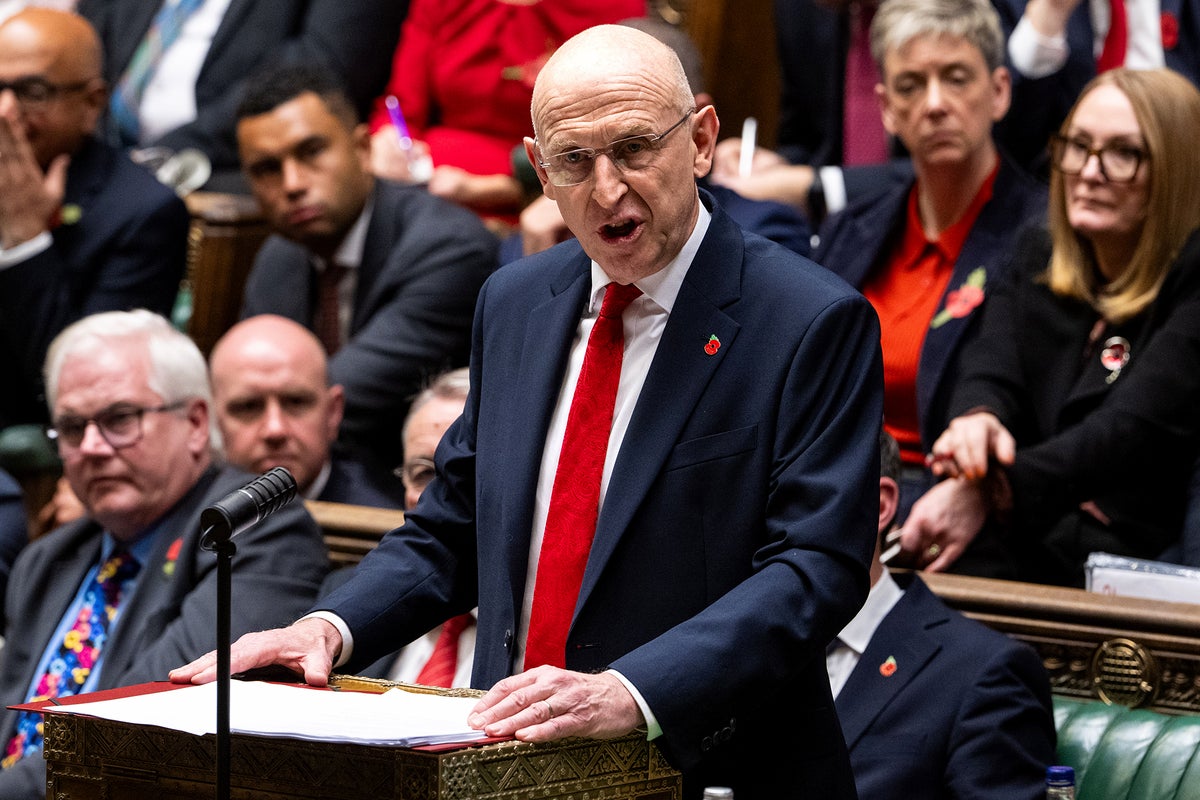
British families are confronting the weakest growth in household incomes since records began, with economic watchdogs warning that living standards are experiencing unprecedented stagnation, according to reports collected by Yahoo Finance and AOL. The assessment follows the maiden fiscal statement delivered by Chancellor John Healey, whose tax and spending announcements have triggered intense political friction and criticism from economists.
Analysis of data spanning the past eight decades reveals that disposable income is on track to rise by just 2% over the 10-year span of the 2020s, according to the Institute for Fiscal Studies (IFS). That performance drastically undercuts the 12% growth recorded during the 2010s, which itself lagged behind every prior decade dating back to the 1950s. Economists attribute the severe squeeze to persistent inflation, sluggish pay progression, a heavier tax burden, and successive energy shocks exacerbated by ongoing conflict in the Middle East, as reported by Yahoo Finance and Aol.
Media additions

Institute for Fiscal Studies economist Tom Wernham noted that households face living standards trajectories far weaker even than those observed in the wake of the financial crisis. Helen Miller, director of the think tank, lambasted the Government's approach during a post-budget briefing covered by AOL, stating that the decade is shaping up to be the worst on record for household income growth. This decade looks set to be the worst decade for growth in household incomes on record... It's depressing. No amount of temporary cost of living packages will fix that. We need a stronger economy,
she said, according to AOL.
| Decade / Period | Estimated Household Disposable Income Growth | Context / Reference Point |
|---|---|---|
| Pre-2010s decades | Stronger historical growth | Outpaced current projections across every preceding eight decades since the 1950s |
| 2010s | 12% growth | Post-financial crisis recovery period |
| 2020s (Projected) | 2% growth | Weakest growth since records began, driven by inflation and tax burdens |
| 2026–2029 (Resolution Foundation) | -3% drop (£1,050 per typical household) | Described as an almost completely lost decade for living standards |
Simultaneously, the Resolution Foundation issued separate warnings branding the outlook "catastrophic," forecasting that typical household incomes could drop by 3% — amounting to roughly £1,050 — between the current year and the end of the decade. The squeeze is being compounded by rising household expenditures. The IFS estimates that energy costs will jump by about £400 per household between October 2026 and July 2027. By contrast, measures included in the Chancellor's Budget, such as a payment directed at properties in council tax bands A through D, will save the typical family around £140 over that same timeframe, according to Yahoo Finance and AOL.
The Chancellor's tax and spending decisions drew heavy criticism from the IFS leadership. Helen Miller singled out several measures for sharp condemnation, dismissing a new "founders' relief" aimed at entrepreneurs as "bonkers" and arguing it amounted to little more than a tax break for a chosen group with little economic reasoning behind it. She also criticized ongoing tweaks to business rates as tiresome. Capital Economics senior UK economist Ashley Webb warned that higher tax rates on property and savings income, hiked by two percentage points from April, will accelerate market rent growth from 2.6% to around 4% in 2027, as landlords pass mounting costs onto tenants.
Public finances and departmental spending plans also came under heavy scrutiny. Ms Miller criticized the Chancellor for drawing down Treasury reserves to partially fund the defence investment plan to lift military spending toward 2.7% of GDP next year. She stressed that reserves are explicitly not meant for discretionary spending commitments, warning that draining these buffers leaves public finances vulnerable to future shocks. Furthermore, the IFS warned that current spending plans imply real-terms cuts for public services in the upcoming Spending Review.
Political fallout from the fiscal statement was immediate. Shadow Chancellor Andrew Griffith slammed the package in the Commons, describing it as one of history's great missed opportunities
and accusing the leadership of ducking hard choices. Conservative critics argued the plan relies on higher taxes, higher spending, and increased borrowing while failing to reduce overall debt or adequately detail long-term defence funding. Prime Minister Andy Burnham defended the economic trajectory, insisting that the nation's economy is defying forecaster expectations through stronger growth this year and noting that smaller high street businesses have been lifted out of business rates.
Commercial sectors expressed deep dismay over targeted tax raids. The gambling industry warned of severe operational damage following the Chancellor's decision to raise Machine Games Duty from 20% to 25% starting in April 2027. Rank Group estimated the change would cost it £9m annually, while Entain projected a £25m annual hit, with both firms and trade bodies cautioning that venues risk closure and thousands of jobs remain at risk. Seaside arcade operators similarly reported that higher levies on popular slot machines will imperil their ability to keep doors open during quieter winter months.
As the political debate continues regarding welfare spending and fiscal headroom ahead of future electoral cycles, attention turns directly to upcoming fiscal milestones. Observers will be closely monitoring the publication of the Milburn report on youth unemployment, alongside the pivotal Spending Review where the Government must settle departmental budgets against tightening fiscal headroom.
How significant is this development?
Contribute your assessment to the aggregated reader sentiment ledger.
Frequently Asked Questions
Key questions answered in this reportWhat is the key development in: Britain faces weakest income growth since 1950s, IFS says?
British household incomes are projected to grow by just 2% over the 2020s, marking the weakest decade for living standards since records began.
Why is this Cost of Living development significant for the UK?
This report covers critical events in our Cost of Living beat. Independent reporting monitors related UK statements, regulatory shifts, and public responses as further verified details emerge.
How was this reporting corroborated and verified?
Newsarchy UK compiles and cross-references reporting from primary reporting from finance.yahoo.com and cross-checked wire reports. All coverage adheres to published editorial standards.
When was this report published?
This briefing was published on October 30, 2026 and is permanently cataloged in the Newsarchy UK Cost of Living archives.