Downing Street denies welfare cuts planned before next election
Downing Street has insisted that welfare spending will not be cut before the next general election following a reversal by Chancellor John Healey.
- Core Development: Downing Street has insisted that welfare spending will not be cut before the next general election following a reversal by Chancellor John Healey.
- Beat Context: Categorized under Politics with independent corroboration.
- Reporting Depth: 3 minute analytical read synthesized from verified newsroom sources.
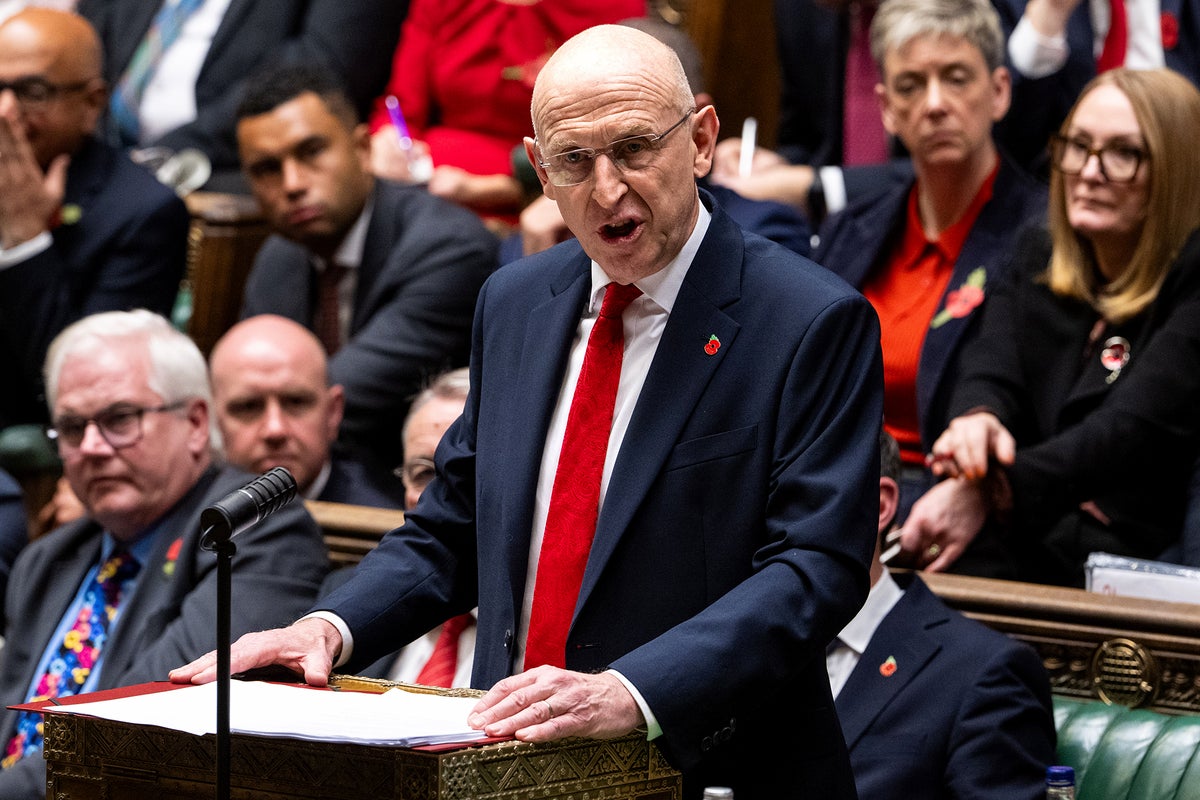
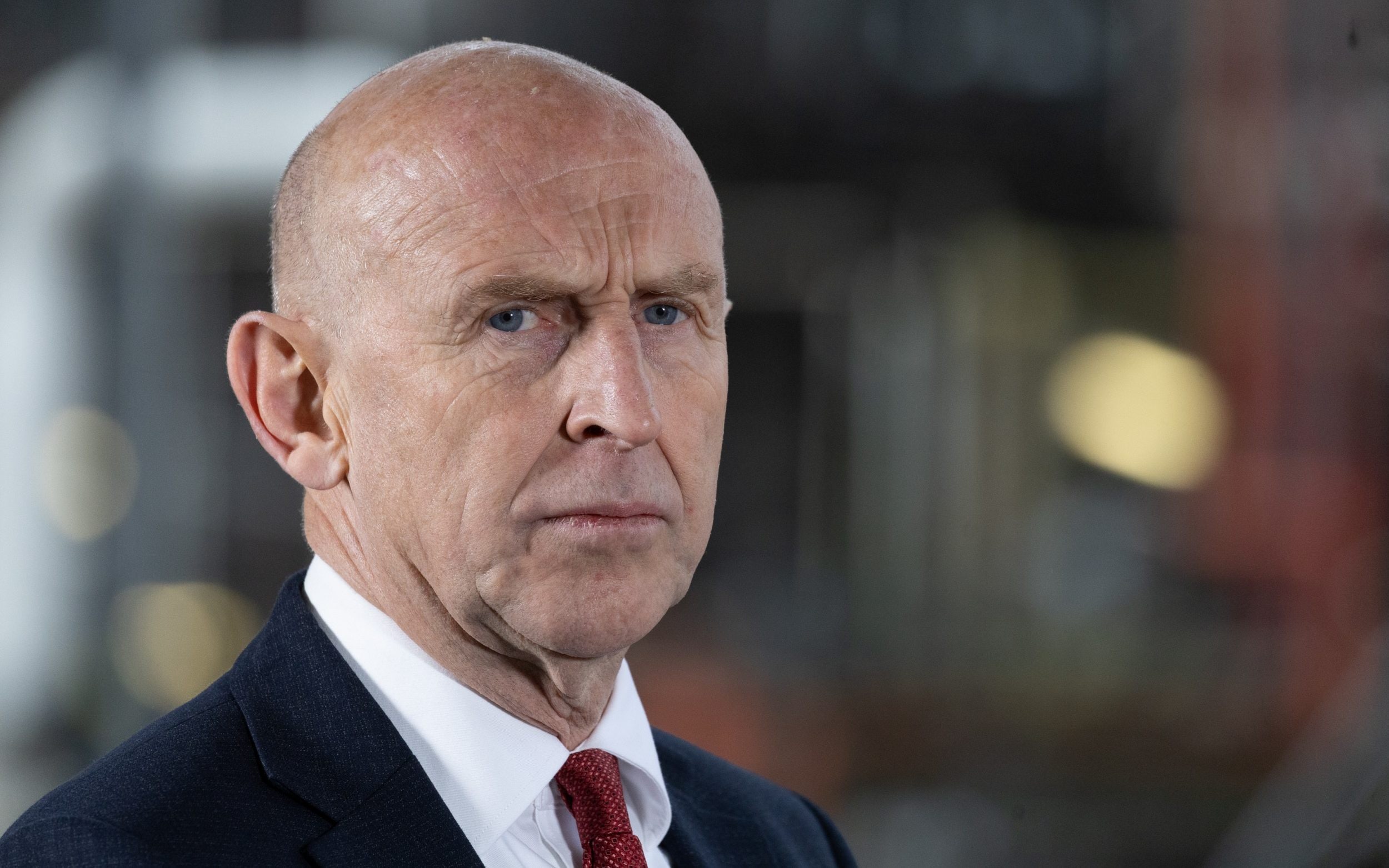
Downing Street has insisted that welfare spending will not be cut before the next general election, following a chaotic reversal by Chancellor John Healey that exposed deep divisions within the government over public finances. The turmoil erupted after The Independent reported that Mr Healey suggested during a broadcast interview that the benefits bill would shrink before voters next go to the polls, prompting an immediate scramble from No 10 to distance itself from any firm timeline.
The confusion began when Mr Healey appeared on BBC Radio 4’s Today programme and told listeners that there will be a reduction in the benefits bill, we’ll do that in a Labour way.
The remarks immediately generated headlines suggesting a concrete timeline to curb spending before July 2029. However, the prime minister’s official spokesperson moved quickly to dampen expectations, stating that the administration had never established an arbitrary target or timetable for slashing the welfare budget, as reported by The Independent. By the end of the day, Mr Healey conceded that it was not correct to say that we're going to bring this welfare bill down in this Parliament,
according to reporting by the Daily Mail.
Media additions

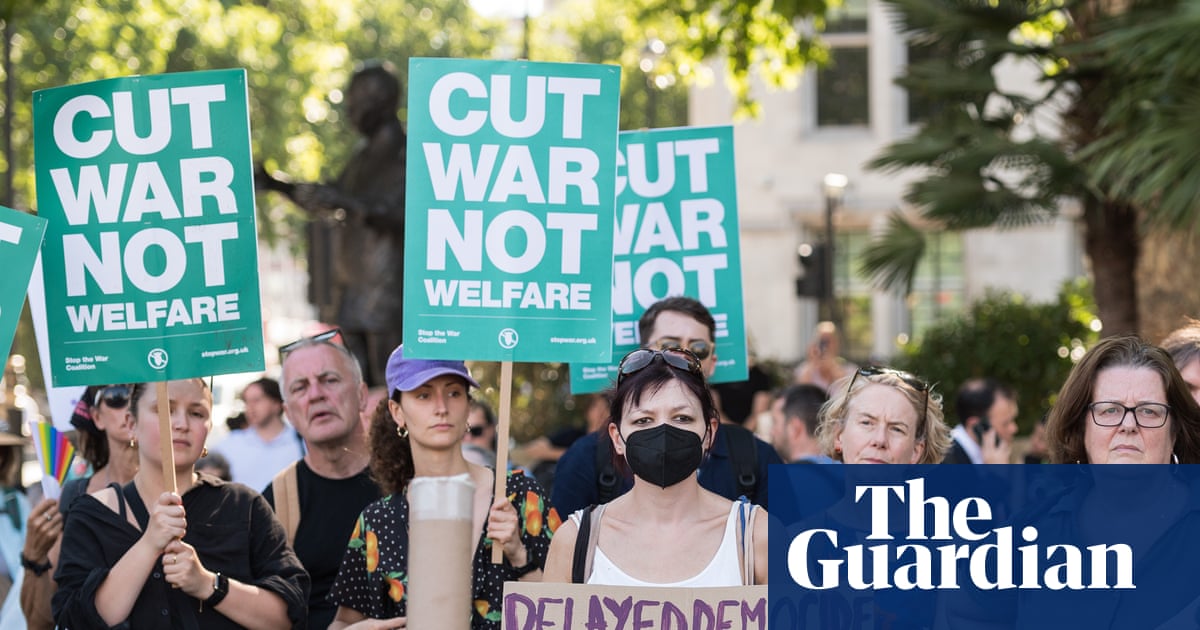
The swift about-face followed a contentious Budget in which the chancellor delayed major welfare reforms. Instead of immediate spending reductions, the government announced it would await upcoming reviews led by Alan Milburn regarding youth unemployment and Sir Stephen Timms concerning disability benefits, with responses not expected until later in the year, as detailed by Aol. Critics from across the political spectrum seized on the delay. Conservative leader Kemi Badenoch attacked the administration during Commons exchanges covered by Aol, declaring that the country is overspent, overborrowed, overtaxed, and drowning in an out-of-control welfare system.
Independent economic analysts have added considerable pressure to the debate. The Institute for Fiscal Studies warned that Mr Healey’s fiscal package left Britain exposed to economic shocks, noting that inflation alone would drive up annual welfare costs significantly, according to The Independent and Aol. Meanwhile, the Centre for Social Justice warned that proceeds raised from freezing income tax thresholds would be entirely absorbed by surging sickness and disability benefit expenditures. The Office for Budget Responsibility has projected that health-related benefit costs will surpass £100bn by the end of the decade, potentially breaching the government's welfare cap.
| Metric / Forecast | Projected Figure | Source |
|---|---|---|
| Total benefits bill by 2031-32 | £431.3 billion | Office for Budget Responsibility |
| Health-related benefits cost by 2028-29 | £105 billion | Office for Budget Responsibility |
| Working-age and child benefit increase over five years | £33.4 billion | Centre for Social Justice |
As ministers grapple with soaring expenditures, the government has moved to deploy 2,000 anti-fraud specialists to job centres to verify Universal Credit claims and curb error rates, an initiative highlighted by Aol. Energy Secretary Miatta Fahnbulleh warned at a Westminster event that the administration risks losing public consent for the welfare system unless structural reforms are delivered, noting that the current framework is broken.
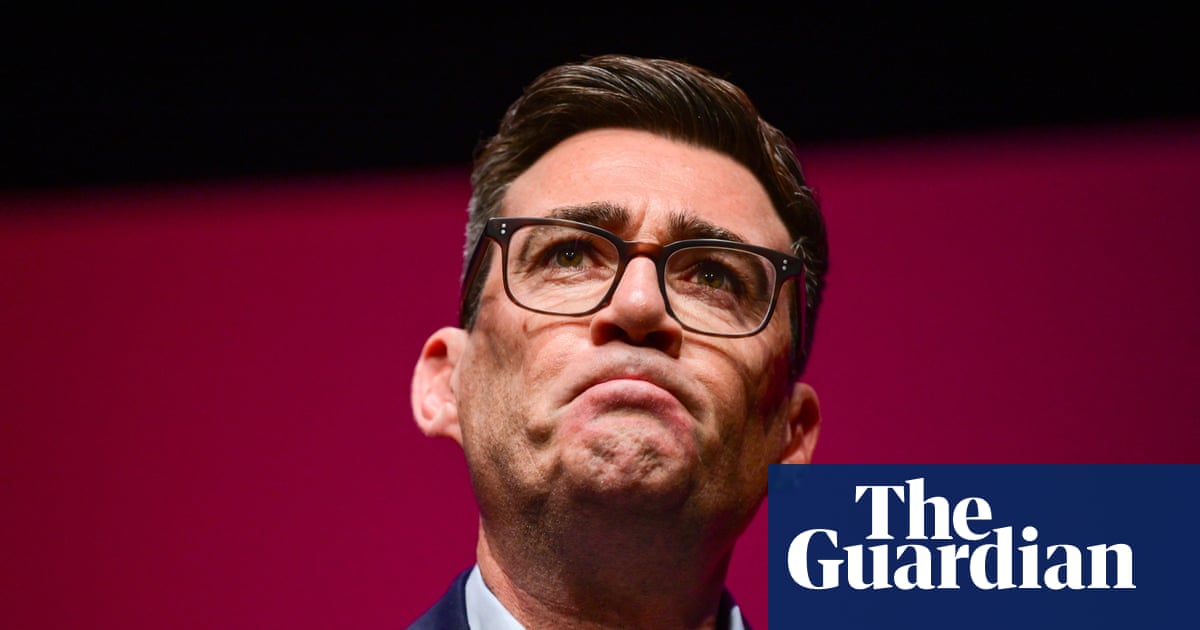
Prime Minister Andy Burnham previously addressed the broader direction of travel in a conference speech covered by The Guardian, acknowledging the friction between progressive ambitions and severe fiscal constraints. While ministers maintain that long-term savings will materialize once back-to-work and employment support measures take effect, the immediate timeline for reducing the overall welfare bill remains undefined.
Readers should watch for the publication of Alan Milburn’s review into youth unemployment, expected next month, followed by Sir Stephen Timms’ disability benefits report next year.
How significant is this development?
Contribute your assessment to the aggregated reader sentiment ledger.
Frequently Asked Questions
Key questions answered in this reportWhat is the key development in: Downing Street denies welfare cuts planned before next election?
Downing Street has insisted that welfare spending will not be cut before the next general election following a reversal by Chancellor John Healey.
Why is this Politics development significant for the UK?
This report covers critical events in our Politics beat. Independent reporting monitors related UK statements, regulatory shifts, and public responses as further verified details emerge.
How was this reporting corroborated and verified?
Newsarchy UK compiles and cross-references reporting from primary reporting from Daily Mail and cross-checked wire reports. All coverage adheres to published editorial standards.
When was this report published?
This briefing was published on October 30, 2026 and is permanently cataloged in the Newsarchy UK Politics archives.