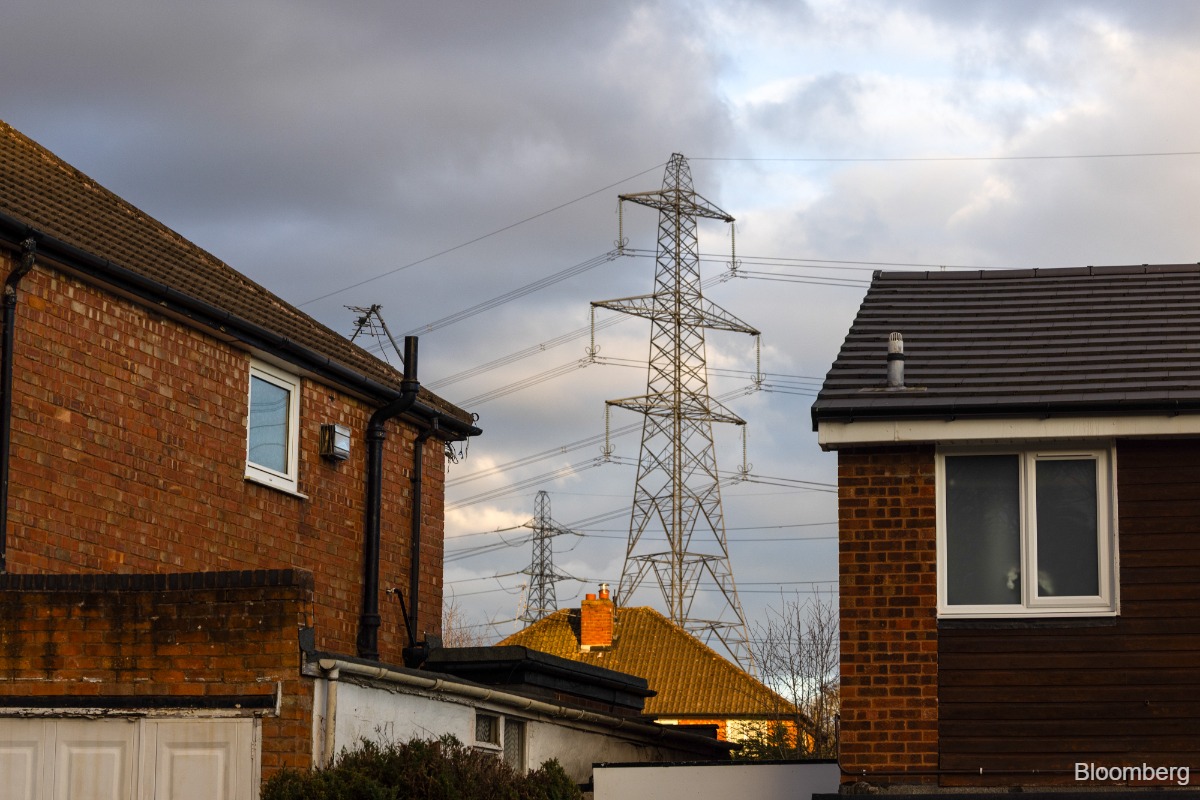
Ofgem confirms 26 percent energy bill rise for UK households in January
Ofgem has announced that household energy bills across Great Britain will rise by 26 percent, adding £443 a year to typical bills from January 1, 2027.

Household energy bills across Great Britain are set to rise by 26 per cent from January 1, 2027, compounding cost-of-living pressures during the coldest months of the year according to regulatory confirmation reported by the Mirror.
The energy regulator Ofgem announced that its quarterly price cap for a typical household paying by monthly direct debit will leap by £443 a year, bringing the benchmark to £2,166. As reported by Yahoo Finance UK, the increase is driven heavily by surging wholesale gas and electricity prices stemming from the Middle East conflict involving the United States, Israel, and Iran. Energy analysts and consumer advocates warn that the adjustment will hit households just as winter energy demand reaches its seasonal peak, threatening to overwhelm government mitigation efforts.
Media additions


The scale of the increase varies considerably depending on property size and consumption habits. According to analysis published by The i Paper, households residing in one-bedroom properties face an average annual rise of £262, taking typical bills to £1,424. By contrast, occupants of four-bedroom homes face an additional £627 annually, while households in properties with five or more bedrooms face an average surge of £870, lifting their expected yearly costs to £3,925. Because the cap regulates unit rates rather than total expenditure, larger properties consuming higher volumes of gas and electricity bear the brunt of the adjustment.
Charities and anti-poverty organizations have condemned the timing of the price hike. Age UK warned that approximately a fifth of pensioner households across Great Britain are likely to experience fuel stress this winter, spending more than 10 per cent of their after-tax income on energy. Speaking to AOL, climate campaigners and trade unions argued that ordinary citizens continue to pay the price for volatile international fossil fuel markets while energy producers record substantial profits. National Energy Action chief executive Adam Scorer noted that prepayment meter users will need to spend over £1,000 between January and March merely to keep meters topped up, a requirement he described as impossible for many vulnerable consumers.
To cushion the blow, the government has pointed to support measures introduced in the autumn Budget, including a £100 payment for millions of households in council tax bands A to D, scheduled for disbursement from January, alongside an extension of the temporary removal of VAT from electricity bills through July. However, critics from the Resolution Foundation suggest that the £100 rebate will cover only the initial eleven days of energy consumption for a typical household paying roughly £62 a week from January.
| Home Size / Metric | Previous Typical Annual Bill | New Typical Annual Bill (from January 1, 2027) | Estimated Annual Increase |
|---|---|---|---|
| 1-Bedroom Home | £1,163 | £1,424 | +£262 |
| 3-Bedroom Home | £1,848 | £2,332 | +£484 |
| 4-Bedroom Home | Not specified | Not specified | +£627 |
| 5+ Bedroom Home | £3,055 | £3,925 | +£870 |
| Average Household (Direct Debit) | £1,723 | £2,166 | +£443 |
Industry experts advise that households on standard variable tariffs review available fixed-rate deals. According to The Express, switching to competitive fixed tariffs could yield substantial savings against January price cap levels, though fixed-rate availability fluctuates. Meanwhile, energy consultancy Cornwall Insight forecasts that prices will remain elevated throughout 2027, with only a marginal one per cent fall anticipated when the price cap is next reviewed for April.
Ofgem has instructed energy suppliers to proactively support customers facing financial distress ahead of the winter transition. Further updates regarding the regulatory price cap for the subsequent quarter are expected to be announced around February 23, 2027.