Ofgem raises UK energy price cap by 26 percent as gas prices surge
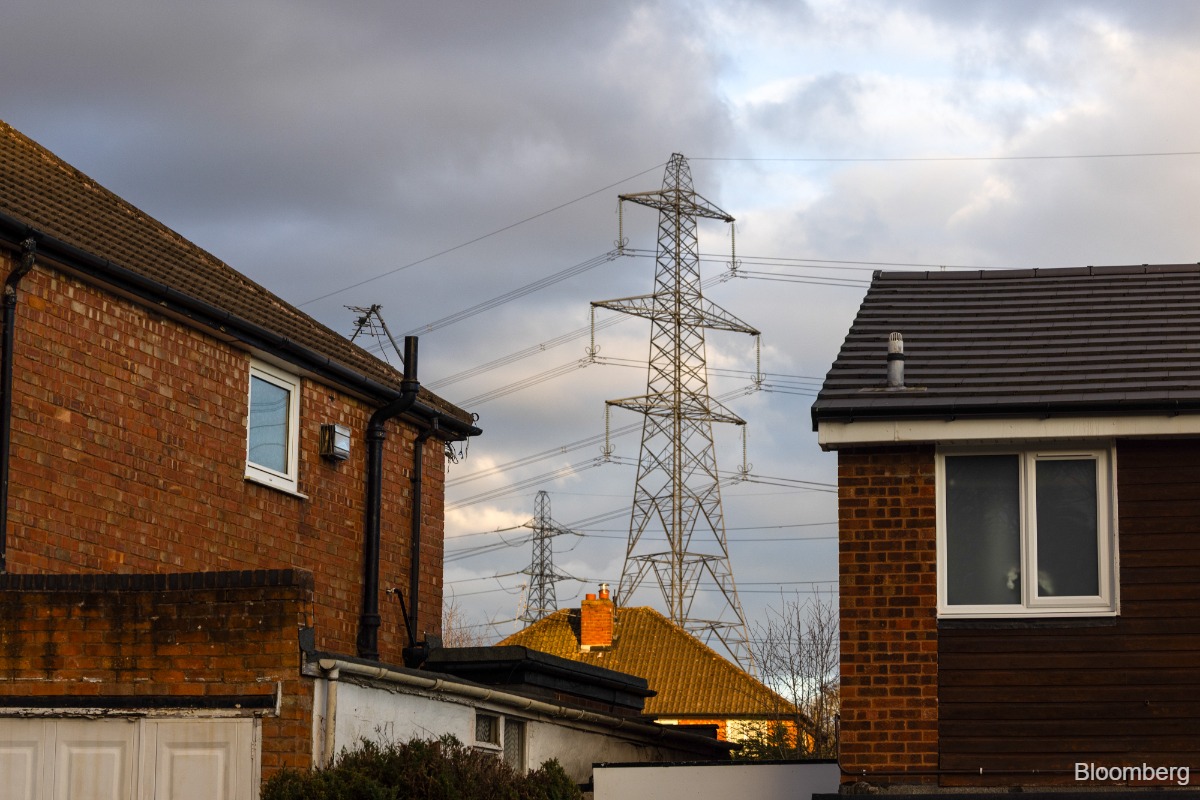
Ofgem has confirmed a 26 percent rise in the energy price cap, pushing typical annual bills to £2,166 from January due to surging wholesale gas prices.

Ofgem has confirmed that the energy price cap will rise by 26 percent from 1 January 2027, pushing the typical annual bill to £2,166 as Middle East conflict drives wholesale gas prices higher.
The increase, which takes the cap from £1,723 to £2,166 for a typical household paying by direct debit, adds £443 a year — or roughly £37 a month — to energy costs across England, Scotland and Wales. It is the biggest quarterly rise since Russia's invasion of Ukraine sent prices soaring in 2022, and it lands at the coldest time of year when household energy use peaks.
Media additions


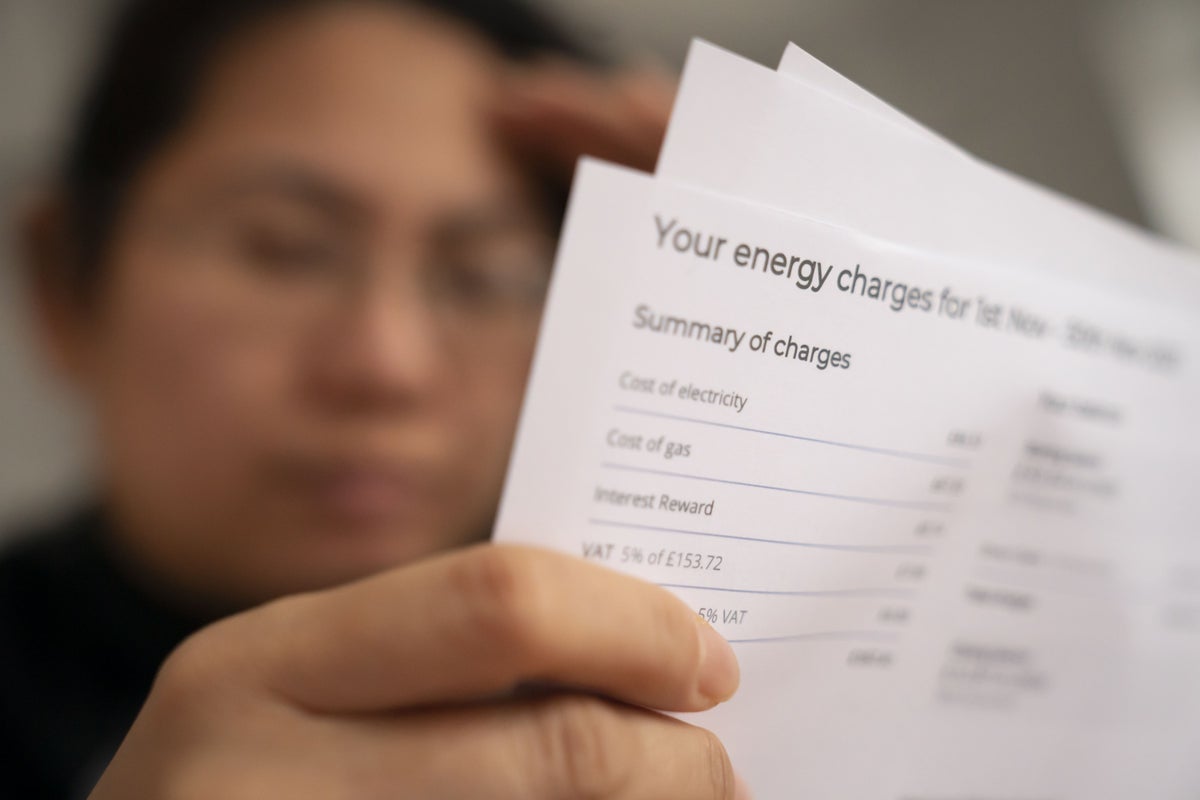
Ofgem said the rise had been driven entirely by higher wholesale costs faced by suppliers, primarily because of the Iran war. Wholesale gas prices paid by suppliers were up 33 percent in the three-month observation period used to set the January to March cap, and have more than doubled since late 2025. The regulator noted that a fall in international wholesale prices in recent days will not be reflected in January's cap, but will feed into April's calculation.
| Measure | Current | From 1 January 2027 | Change |
|---|---|---|---|
| Typical annual bill (direct debit) | £1,723 | £2,166 | +£443 (+26%) |
| Electricity unit rate | 26.32p per kWh | 32.69p per kWh | +6.37p |
| Gas unit rate | 7.97p per kWh | 10.96p per kWh | +2.99p (+37.5%) |
| Electricity standing charge | 54.77p per day | 54.77p per day | Unchanged |
| Gas standing charge | 29.65p per day | 29.65p per day | Unchanged |
| Standard credit (pay on receipt of bill) | Not specified | £2,328 per year | Higher than direct debit |
The cap applies to around 20 million households on standard variable tariffs. Around 10 million households on fixed tariffs will not see their prices change while their existing deal remains in place. Ofgem stressed that the cap restricts unit rates and standing charges rather than limiting the total bill, so households using more energy will pay more.
Government support announced in the autumn Budget will provide £100 payments to around 20 million households in England on council tax bands A to D, with equivalent payments in Scotland and Wales, from 4 January. A temporary 5 percent VAT cut on electricity bills runs until June 2027. Chancellor John Healey also announced that gas standing charges will be scrapped in England, Scotland and Wales.
Energy Secretary Miatta Fahnbulleh acknowledged the concern the rise will cause.
"I know people are deeply concerned by another rise in energy bills. For too long, British families have been paying the price for conflicts overseas and volatile fossil fuel markets. To help this winter, we're stepping in to give families some breathing space, so from January, the majority of households will get £100 towards their energy costs. But there is more to do to take the pressure off families and bring bills down for good."
Miatta Fahnbulleh, Energy Secretary
Neil Kenward, Ofgem's director general for markets, said the regulator had written to energy suppliers, networks and brokers to remind them of their responsibilities to customers this winter.
"Conflict in the Middle East continues to drive energy costs higher, and we know this price increase will be a worry for many households as winter approaches. We urge anyone who is struggling to afford their energy bills to reach out to their supplier, who must offer appropriate support and advice — we are writing to suppliers today to remind them of their obligations and ensure they are ready to provide that support."
Neil Kenward, Ofgem director general for markets
Charities warned that the support on offer will not go far enough. Citizens Advice chief executive Dame Clare Moriarty said January's price cap hike will push energy bills to an impossible high for millions already struggling to afford basic essentials. Citizens Advice Scotland chief executive Derek Mitchell said advisers are seeing average energy debt surge to £3,200, and called the increase unbearable for thousands of people, particularly those on the lowest incomes, disabled people and those in rural communities.
National Energy Action chief executive Adam Scorer said households on prepayment meters face a desperate situation.
"For people on a low income and those who are vulnerable it is a desperate situation. For those on prepayment meters, it will be impossible. They don't even have the option to rack up huge debt. They simply can't find over £1,000 to keep the heat and lights on this winter. They will go without. They will go to bed early to keep warm, they will not cook, some will even turn off medical equipment. And that is devastating to their health and their wellbeing. A warm home is no longer an option for too many households."
Adam Scorer, National Energy Action chief executive
Age UK charity director Caroline Abrahams said the timing could hardly be worse, with higher prices hitting immediately after Christmas during the coldest months when older people need the most energy to stay warm and well. Independent Age chief executive Joanna Elson cited research showing almost 1.7 million pensioner households in Britain, one in five overall, are projected to be in fuel stress during the cold months ahead.
Industry analysts at Cornwall Insight forecast only a 1 percent fall in the cap for April, taking a typical bill to £2,151 for the year, with bills likely to remain around £2,000 in the second half of 2027. Dr Craig Lowrey, retail markets principal at Cornwall Insight, said January is when households use the most energy, so the rise will hit at the worst possible time, and the small April fall will barely be noticed by many households.
Richard Neudegg, director of regulation at Uswitch.com, said the cheapest fixed deal could save an average of £412 a year against January's levels, though bills vary depending on location and usage. Ofgem also noted that switching from standard credit to direct debit could save the average customer about £160 over a year.
The Mirror reported that of the average £2,166 annual bill, £86 will be policy costs, £411 network charges to maintain and upgrade pipes and wires, and just over £300 is operating costs, including covering bad debts. Ofgem's maximum profit margin for suppliers comes down from 2.7 percent to 2.5 percent, but because of the bill surge the actual amount suppliers rake in will rise by £11, from £43 to £54 per household. Across 34 million energy accounts impacted by the cap, that could deliver roughly a £374 million boost to suppliers' profits.
BBC analysis of why UK electricity prices remain high points to the structure of the wholesale market, where the most expensive unit of electricity needed to meet demand sets the overall price. When gas costs spike, electricity prices follow even if gas generates only a small proportion of power at a given time. In the first quarter of 2027, wholesale energy costs will contribute £1,216 to a typical annual household bill, up from £604 in the first quarter of 2026 and £373 in the winter of 2019-20. Network costs will contribute £417, an increase of £197 from £220 in the winter of 2019-20.
Energy UK, which represents suppliers, said the rise in January is entirely driven by higher wholesale costs, accounting for almost £1,240 of the average annual bill next year. The trade body said suppliers' profits are capped on a percentage basis and they do not see the same benefit as international energy generating companies, though higher bills will mean higher profits in nominal cash terms.
Campaigners pointed to industry profitability. The End Fuel Poverty Coalition said energy companies have made over £143 billion in profits from UK operations since 2020, including over £10 billion in UK profits over the first nine months of 2026 alone. Unite general secretary Sharon Graham said energy companies made £30 billion profit in one year while everyday people are on their knees. Greenpeace UK's Rachael Sweet said fossil fuel dependence is giving households a Dickensian Christmas.
Greg Jackson, founder and chief executive of Octopus Energy, called the rise a heavy blow for families and said Britain's energy market is broken, pointing to billions paid to switch off cheap British wind power while expensive gas is fired up instead.
Downing Street said the government's position on its commitment to reduce household energy bills by £300 has not changed despite soaring costs. The prime minister's official spokesperson said the government would reform the energy system to make it fairer for British people while creating more cheap, clean homegrown power.
What to watch next
- Ofgem's next price cap announcement for the April to June 2027 quarter, expected in late February 2027.
- Whether Cornwall Insight's forecast of a 1 percent April fall materialises, taking the typical bill to £2,151.
- Delivery of £100 Household Energy Payments from 4 January 2027 to eligible households in council tax bands A to D.
- Any further government intervention on energy debt, prepayment meter protections, or a proposed social energy tariff.
- Wholesale gas price movements following developments in the Middle East, which will shape the April cap calculation.
Households struggling to pay are urged to contact their supplier, which must offer appropriate support and advice. Additional help includes the £150 Warm Homes Discount for households on means-tested benefits, Winter Fuel Payments for pensioners, Cold Weather Payments during sub-zero periods, and a £100 million local authority discretionary fund for vulnerable households outside the main scheme.