Rachel Reeves faces backlash as Ofgem energy cap hike offsets cost measures
New data reveals an impending 13% energy price cap increase, with experts warning that this hike may leave many UK families facing a net loss in income.
- Core Development: New data reveals an impending 13% energy price cap increase, with experts warning that this hike may leave many UK families facing a net loss in income.
- Beat Context: Categorized under Cost of Living with independent corroboration.
- Reporting Depth: 4 minute analytical read synthesized from verified newsroom sources.
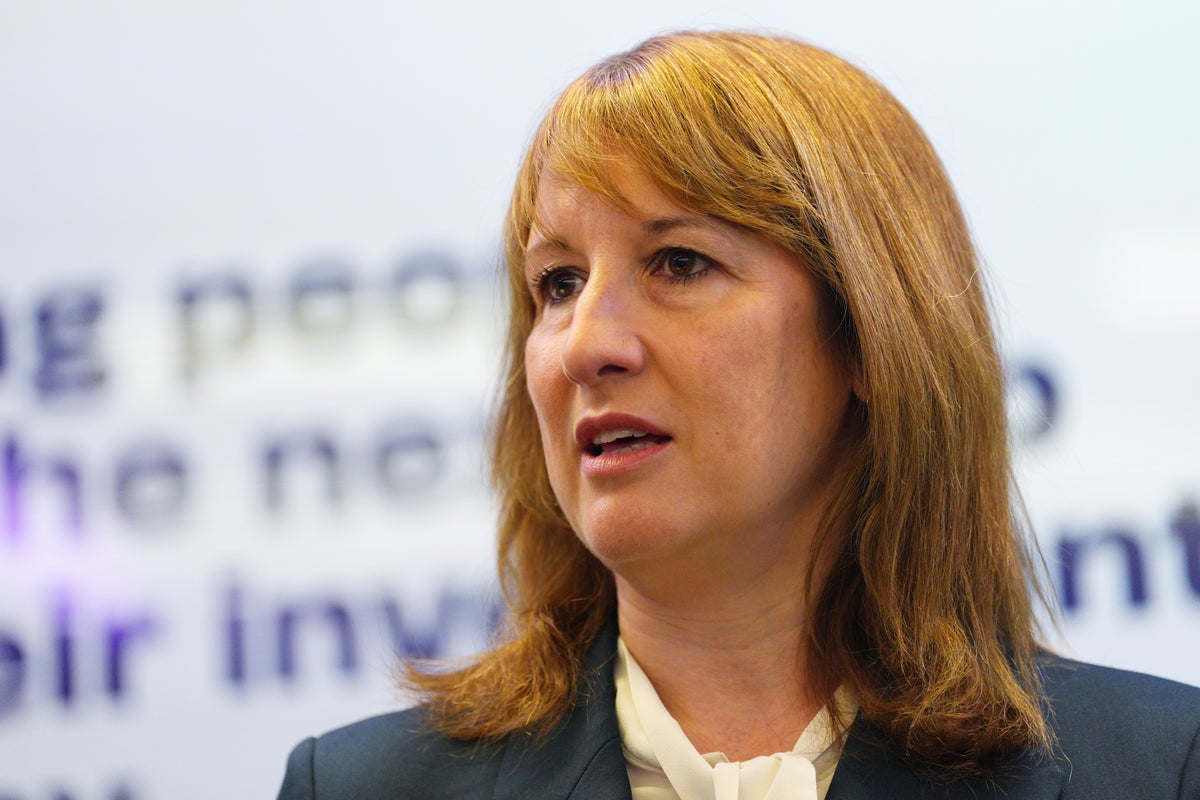
Chancellor Rachel Reeves is facing mounting criticism over her recent cost of living interventions as new figures from the energy regulator, Ofgem, reveal a significant price cap increase that threatens to render her measures ineffective. Households across the UK are confronting the reality of an energy market disrupted by international conflict and domestic infrastructure pressures, leaving the government’s recent policy announcements vulnerable to accusations of being inadequate.
The core of the frustration stems from an Ofgem announcement that the energy price cap will be allowed to rise by 13 per cent, more than four times the rate of inflation. Critics, including those within the political sphere and economic think tanks, have pointed out that this increase significantly outpaces inflation, effectively neutralizing the financial relief provided by the Chancellor’s latest package. While Reeves previously highlighted a budget measure intended to provide £150 in reductions, analysts suggest that the impending average bill hike of approximately £200 this autumn will leave many families facing a net loss in disposable income.
Media additions


The Chancellor’s recent "mini-Budget" style announcements — which included free bus travel for under-16s, VAT cuts on tickets for theme parks and attractions during the summer holidays, and an increase in the amount people could claim for mileage on their taxes up to 55p from 45p — have been described by some commentators as meaningless in the face of such structural energy cost increases. The mileage rate adjustment, intended to boost support for tradespeople and mobile workers, represents the most substantial of these measures, yet it does little to alleviate the primary burden of rising utility costs.
The Divergence in Policy and Pressure
The government’s response to the crisis has been hampered by a cautious fiscal approach, rooted in the political fallout of the previous administration's "mini-Budget." Reeves has explicitly ruled out universal energy subsidies, branding them unaffordable and responsible for fueling inflation and national debt. Instead, the government is prioritizing a targeted approach, such as the expanded Warm Home Discount scheme, which provides support to millions of households.
However, pressure is mounting from various sides to shift policy costs, which currently inflate electricity bills, into general taxation. Consumer advocates and experts argue that levies for renewables, the Warm Home Discount, and infrastructure projects like the Sizewell C nuclear plant are driving up bills. Economists suggest that moving these costs could reduce average household energy bills by roughly £160 per year, though the Treasury remains wary of the fiscal implications of such a change, as these costs would still ultimately be recovered through the tax system.
Factors Driving Cost Increases
The energy price volatility is being driven by several concurrent factors:
- Network Costs: High expenditures on maintaining and upgrading the UK's pipes and wires to support energy transmission.
- Policy Levies: Increasing costs associated with government energy initiatives and clean power transitions.
- Geopolitical Instability: Ongoing conflicts, specifically in the Middle East, continue to influence wholesale energy prices and market uncertainty.
While the government has vowed to pursue a "clean power mission" to secure lower energy costs in the long term, critics argue that the current focus on these objectives is failing to provide immediate relief. Some observers, including figures from the opposition, argue that the government’s insistence on specific Net Zero policies contributes to the upward pressure on prices during a period of limited household capital.
What to Watch Next
As the government prepares for upcoming legislative sessions and potential by-elections, the following areas remain critical for observers of the Cost of Living situation:
| Event | Expected Impact |
|---|---|
| Upcoming Budget | Potential announcements on fuel duty and further tweaks to cost of living support. |
| King’s Speech (May) | Introduction of legislation to deregulate nuclear energy, aiming for long-term price stability. |
| Autumn Energy Billing | The period when the full weight of the 13 per cent price cap hike will be felt by consumers. |
The Chancellor maintains that the fundamentals of the economy are sound, pointing to international growth forecasts as evidence. Nevertheless, the administration remains in a precarious position, attempting to balance fiscal prudence with the growing ire of a public struggling with the cumulative effects of inflation and energy price volatility. Whether the government can offer a more robust intervention before the winter months remains a point of intense political speculation.
How significant is this development?
Contribute your assessment to the aggregated reader sentiment ledger.
Frequently Asked Questions
Key questions answered in this reportWhat is the key development in: Rachel Reeves faces backlash as Ofgem energy cap hike offsets cost measures?
New data reveals an impending 13% energy price cap increase, with experts warning that this hike may leave many UK families facing a net loss in income.
Why is this Cost of Living development significant for the UK?
This report covers critical events in our Cost of Living beat. Independent reporting monitors related UK statements, regulatory shifts, and public responses as further verified details emerge.
How was this reporting corroborated and verified?
Newsarchy UK compiles and cross-references reporting from primary reporting from inkl.com and cross-checked wire reports. All coverage adheres to published editorial standards.
When was this report published?
This briefing was published on July 14, 2026 and is permanently cataloged in the Newsarchy UK Cost of Living archives.