QatarEnergy suspends LNG expansion plans following Iranian tanker attack
QatarEnergy has halted production expansion plans at its Ras Laffan facility as maritime security in the Persian Gulf deteriorates. This decision follows recent military exchanges between the U.S. and Iran.

- Core Development: QatarEnergy has halted production expansion plans at its Ras Laffan facility as maritime security in the Persian Gulf deteriorates. This decision follows recent military exchanges between the U.S. and Iran.
- Beat Context: Categorized under World with independent corroboration.
- Reporting Depth: 3 minute analytical read synthesized from verified newsroom sources.
QatarEnergy has officially suspended plans for a major expansion of production at the Ras Laffan liquefied natural gas complex, a move that follows an attack on one of its tankers in the Strait of Hormuz. The decision, confirmed by company leadership, is a notable shift in regional energy policy as maritime security across the Persian Gulf continues to deteriorate. The sprawling facility, which serves as a global hub for liquefied natural gas, will now operate only at the minimum level required for safety, according to reports attributed to company officials.
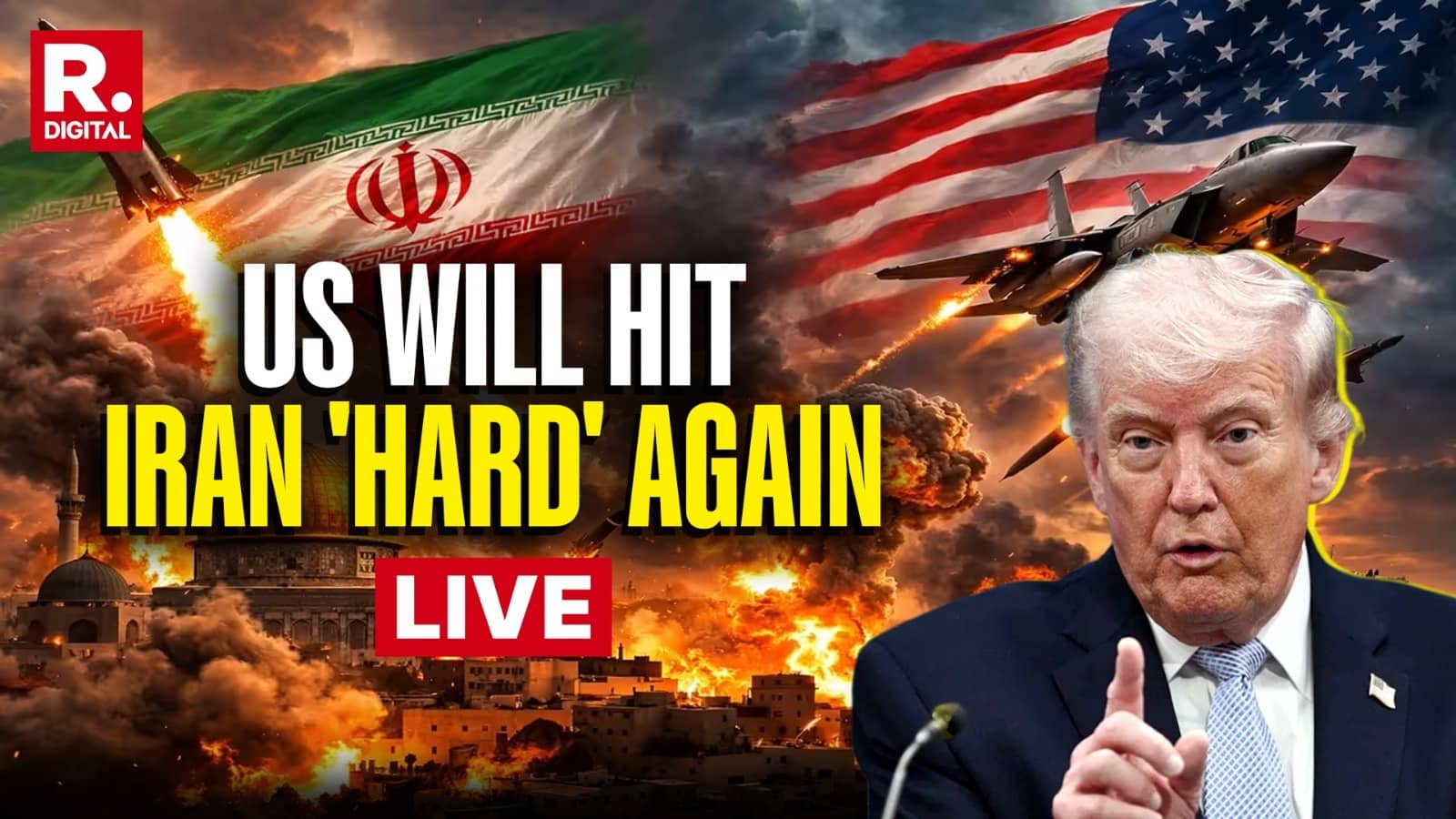
This suspension follows a week of intense military activity involving the United States and Iran. Hostilities intensified after the collapse of an interim memorandum of understanding that had previously aimed to facilitate the safe passage of commercial vessels through the waterway. According to reports, the United States and Iran have exchanged strikes for two consecutive days, with the U.S. Military confirming it has targeted roughly 90 Iranian locations, including air defenses, naval infrastructure, and logistics hubs.
Media additions


The Strait of Hormuz remains a central point of friction. While Iranian Revolutionary Guard naval forces stated on Thursday that they have increased maritime traffic to approximately 50 percent of pre-war levels, they have demanded that all vessels coordinate with their authorities and adhere to designated northern routes. As of Thursday, only three fuel tankers were tracked in the strait, despite the strategic importance of the route for global energy supplies.
The situation in the region is further complicated by the conclusion of funeral ceremonies for the late Iranian Supreme Leader, Ayatollah Ali Khamenei. Following processions across Iraq and Iran, his burial took place on Thursday in his hometown of Mashhad at the Imam Reza Shrine. The funeral, which had been subjected to logistical delays, was marked by massive crowds and public vows of vengeance against U.S. Leadership. Iranian military officials have issued warnings that further interference with shipping routes or additional strikes on Iranian territory would trigger a crushing response
.
The conflict has also prompted regional security concerns beyond the Persian Gulf. Jordanian Armed Forces reported that eight missiles were intercepted within their airspace on Thursday, with debris falling to the ground but no casualties or material damage reported. Meanwhile, the Iranian government has reported casualties resulting from U.S. Strikes, noting that at least 14 people have been killed and 78 wounded across five provinces. Iranian state media also reported that strikes hit a railway bridge in Golestan province, impacting trade routes, and confirmed damage to infrastructure in areas surrounding the Bushehr nuclear facility.
Diplomatic efforts to maintain stability have faced significant obstacles. Qatar's prime minister, in recent communications with the Iranian foreign ministry, condemned the attacks on commercial vessels, emphasizing that such actions threaten international navigation. Conversely, Iranian officials have accused the United States of violating sovereign borders and abandoning ceasefire agreements. The U.S. Administration, led by President Donald Trump, has signaled that while it remains open to talks, it holds Iran responsible for the current escalation due to the attacks on tankers and has indicated that retaliatory strikes will continue if threats to shipping persist.
What to Watch Next
- Strait of Hormuz Traffic: Observers are tracking whether Iran will fulfill its threat to completely close the waterway or if the current
gradual reopening
strategy persists under strict naval oversight.
As the conflict moves into its next phase, the World remains focused on the outcome of military posturing between Washington and Tehran. For now, the suspension of the Ras Laffan expansion represents a clear consequence of the ongoing security crisis in the Middle East, signaling that the risks to industrial infrastructure are increasingly influencing strategic decision-making among regional energy producers.
How significant is this development?
Contribute your assessment to the aggregated reader sentiment ledger.
Frequently Asked Questions
Key questions answered in this reportWhat is the key development in: QatarEnergy suspends LNG expansion plans following Iranian tanker attack?
QatarEnergy has halted production expansion plans at its Ras Laffan facility as maritime security in the Persian Gulf deteriorates. This decision follows recent military exchanges between the U.S. and Iran.
Why is this World development significant for the UK?
This report covers critical events in our World beat. Independent reporting monitors related UK statements, regulatory shifts, and public responses as further verified details emerge.
How was this reporting corroborated and verified?
Newsarchy UK compiles and cross-references reporting from primary reporting from cbsnews.com and cross-checked wire reports. All coverage adheres to published editorial standards.
When was this report published?
This briefing was published on July 9, 2026 and is permanently cataloged in the Newsarchy UK World archives.