Londoners face soaring bills for council tax, energy and transport
Households across London are confronting a severe cost-of-living squeeze driven by rising energy price caps, steep council tax hikes, and soaring service charges.
Millions of households across the capital face surging household bills for council tax, energy, transport, and service charges as cost-of-living pressures intensify across London.
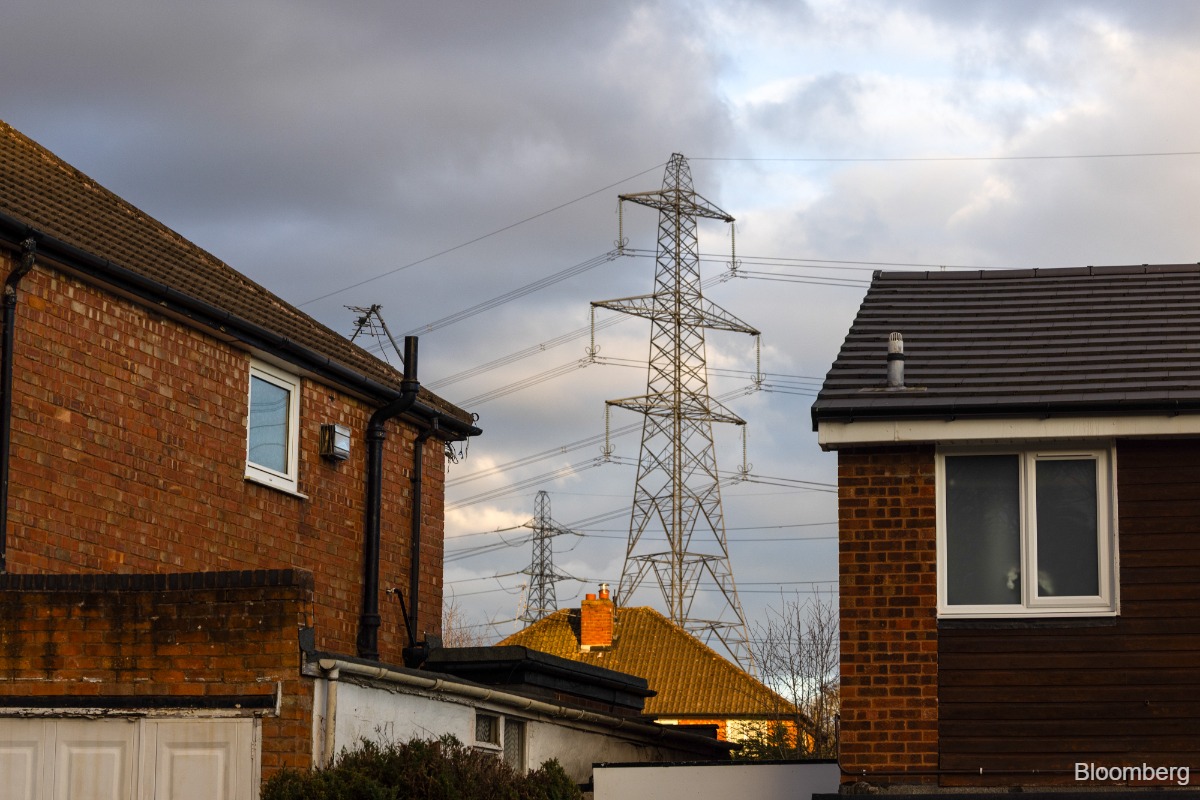
The mounting financial strain arrives as multiple household expenditures converge on residents. According to reporting by The Standard, Ofgem announced that the energy price cap will rise by 26 percent from January 1 for a typical household, adding £443 per year—or £36.91 per month—to bills, bringing the cap to £2,166 for average usage. This increase is driven by escalating conflict in the Middle East that pushed oil and gas prices higher through October, alongside deepening European gas supply concerns. While the government announced £100 towards energy costs for up to 20 million households in England starting in January, households will still experience net increases.
Media additions

Town halls across the capital are also preparing steep council tax rises as they struggle with soaring costs. Payments for almost every single benchmark Band D household in the capital are expected to exceed £2,000 for the first time from April 2027, with only Tower Hamlets expected to remain slightly below that threshold. Westminster, Wandsworth, Hammersmith and Fulham, and Kensington and Chelsea received government permission to raise bills well beyond the usual 5 percent cap after government funding was slashed. Wandsworth has indicated a likely 94 percent rise, while Hammersmith and Fulham has stated bills would need to rise by 150 percent to cover shortfalls.
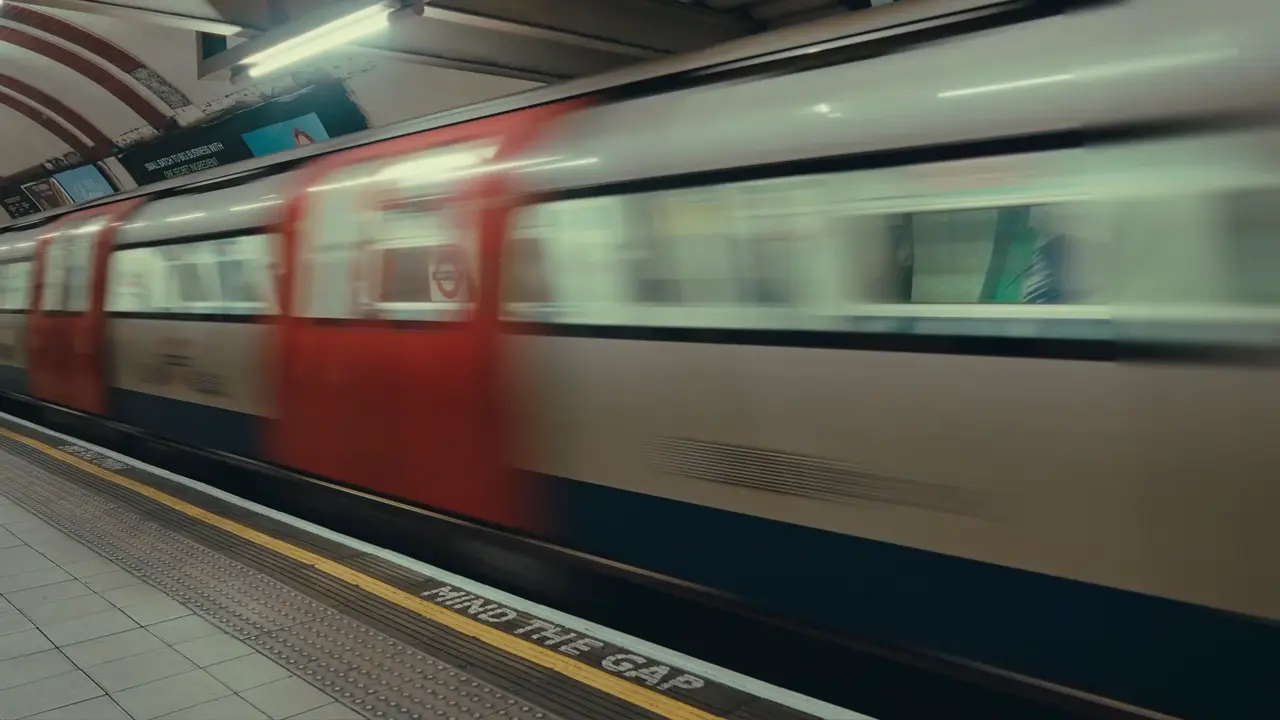
Transport networks are experiencing simultaneous turbulence. Adult single bus and tram fares increased by 10p to £1.85, while concession card fares rose by 5p and the daily cap went up by 30p to £5.55. Meanwhile, Aol reported that members of the RMT union launched the first of eight pre-Christmas walkouts following the breakdown of crisis negotiations at Acas over a voluntary four-year week dispute for Tube drivers. Nick Dent, director of customer operations for London Underground, expressed disappointment over the strikes, stating that the majority of union concerns had been resolved. Conversely, RMT General Secretary Eddie Dempsey claimed the reforms would force drivers to surrender hard-won protections. Paul Swaddle, Tory leader of Westminster Council, accused the RMT of threatening to steal Christmas from Londoners and local businesses.
Homeowners and shared-ownership leaseholders face additional burdens from soaring service charges. As reported by the BBC, residents have described ballooning maintenance and insurance fees as an industrial-scale scandal. Patrick Duffy, a shared-ownership resident in Dalston, saw his monthly service charge jump from an initial £94 to £515, with a subsequent notice raising it to £646, alongside a balancing charge of over £9,000 for previous years' actual costs. One Housing attributed these increases to soaring building insurance and timber-frame construction costs. Similar concerns were raised by Michael Brown in Stratford and Ed Spencer in Bethnal Green, who highlighted opaque billing and disputes over actual versus estimated costs. Suzanne Muna of the Social Housing Action Campaign alleged that incorrect charging and negligence are widespread, while Jack Spearman of the Residential Freehold Association noted that the property management sector remains unregulated.
| Expense Category | Reported Increase / Figure | Timing / Context |
|---|---|---|
| Energy Price Cap | Up 26% (£443 annually to £2,166) | Effective January 1, following Middle East conflict |
| Council Tax (Band D) | Exceeding £2,000 across most boroughs; up to 150% in specific boroughs | Taking effect April 2027 due to slashed government funding |
| Bus and Tram Fares | Single fare up 10p to £1.85; daily cap up 30p to £5.55 | Implemented in November |
| Service Charges | Hundreds of pounds monthly increases plus multi-thousand-pound balancing charges | Ongoing, driven by rising building insurance and management costs |
Additional financial pressures loom on the horizon. Regulated train fares across England could increase by up to 4.2 percent in March, calculated using July's RPI inflation rate of 3.2 percent plus 1 percent, as Chancellor John Healey allocated no funding to continue the fare freeze. Furthermore, income tax burdens have expanded following threshold freezes, and a new mansion tax on properties valued at £2 million or higher is scheduled to take effect in April 2028.
What to watch next
- London councils are expected to confirm their exact council tax increases before the end of the year.
- Remaining RMT union Tube walkouts are scheduled in the run-up to Christmas and into the New Year, alongside ongoing talks.
- The government's Leasehold and Freehold Reform Bill remains under review regarding service charge transparency and leaseholder protections.
- Regulated rail fare increases are expected to be finalized ahead of March.