UK energy bills forecast to surge by 26% in January
British households face a winter energy bill shock as Cornwall Insight predicts a 26% surge in the Ofgem price cap starting in January.

British households face an immediate energy bill shock this winter after forecasters predicted a sharp surge in the Ofgem price cap starting in January, compounding financial pressures during the coldest months of the year. Cornwall Insight released its final estimate ahead of the energy regulator confirming the exact level of its price cap.
The looming hike will push typical annual energy bills up by £443 to £2,166, according to final estimates released by Cornwall Insight. The jump is driven heavily by volatile wholesale gas markets, which have been severely impacted by ongoing geopolitical conflict in the Middle East and the war involving Iran that erupted in late February. Dr Craig Lowrey, retail markets principal at Cornwall Insight, noted that the timing could hardly be worse as colder weather forces families to consume more energy while still grappling with wider cost of living pressures.
Media additions

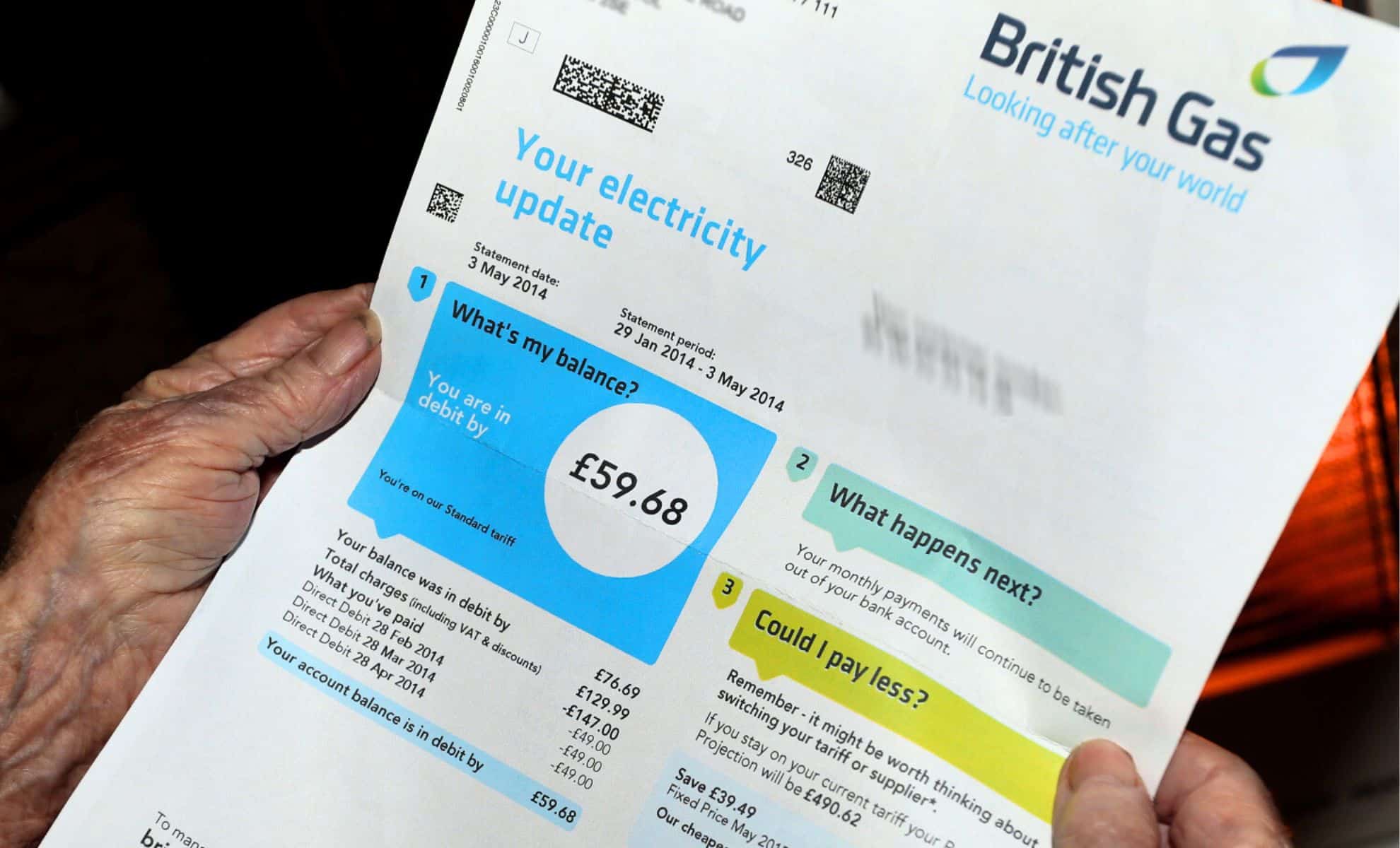
"The timing could hardly be worse, with colder weather in January pushing up energy use and households already dealing with the cost-of-living crisis. Once again, the cause lies thousands of miles away, yet another reminder of how events beyond our control have a very real impact on our energy bills."
Dr Craig Lowrey, retail markets principal, Cornwall Insight via The Mirror
The predicted increase means actual household bills will climb higher than they were during the peak of the 2023 energy crisis, according to warning statements from National Energy Action. Campaigners and welfare charities warn that the rise will force vulnerable families and older citizens to ration heating, skip meals, and fall deeper into energy debt. Adam Scorer, chief executive of National Energy Action, warned that the spike would leave low-income and vulnerable people huddling in bed to stay warm.
Caroline Abrahams, charity director at Age UK, stated that the forecast would be frightening to many older people who have already endured years of cost of living pressures and simply have no room left in their budgets. Pensioner Roger Cliffe-Thompson, living on Merseyside and working in a care home, branded the expected hike almost unthinkable and explained he had been forced to rely on a heated blanket in his three-bedroom home with only a single radiator switched on. He remarked that the person who invented heated blankets deserves a knighthood because he keeps it on all night and it does not cost that much.
Official responses from Westminster point to existing interventions. Energy Secretary Miatta Fahnbulleh highlighted that up to 20 million households will receive a £100 payment towards energy costs from January, alongside the continued removal of VAT from electricity bills and the £150 Warm Home Discount aimed at roughly six million low-income households. Chancellor John Healey previously announced these measures during his autumn Budget at the end of October. However, critics including Simon Francis, coordinator of the End Fuel Poverty Coalition, argue that wider inflation is swallowing up the £100 relief package, while energy giants continue to log billions in profits, noting that the energy industry has posted £143 billion in UK profits since 2020.
| Energy Component | Current Rate / Cap | January Forecast Rate / Cap |
|---|---|---|
| Typical Annual Cap (Consumer) | £1,723 | £2,166 |
| Electricity Unit Rate | 26.32p per kWh | 32.54p per kWh |
| Electricity Standing Charge | 54.83p per day | 56p per day |
| Gas Unit Rate | 7.97p per kWh | 10.90p per kWh |
| Gas Standing Charge | 29.68p per day | 31p per day |
Amid the grim forecasts, households looking to mitigate the damage are exploring tariff switching and efficiency measures. Price comparison data from uSwitch indicates that fixing energy tariffs ahead of the January increase can secure deals running up to £407 below the anticipated price cap. Approximately 11 million customers are already on fixed-rate tariffs that shielded them from previous autumn increases.
Simultaneously, heating firm Wiser reported that customers with major suppliers including British Gas, Octopus, E.ON, EDF, and OVO are trimming up to £175 off their annual overheads by adopting smart thermostats, energy-saving lightbulbs, and air fryers, though survey data shows only 12% of respondents reported using appliances or electric vehicle chargers at night when off-peak tariffs are cheaper.
What to watch next
- Ofgem is scheduled to officially confirm the exact level of the January price cap on Wednesday next week.
- The price cap will remain active through the winter months before facing its next scheduled quarterly review in April.
- Campaign groups continue to lobby the government for an emergency, targeted energy support package before the January cap takes effect.