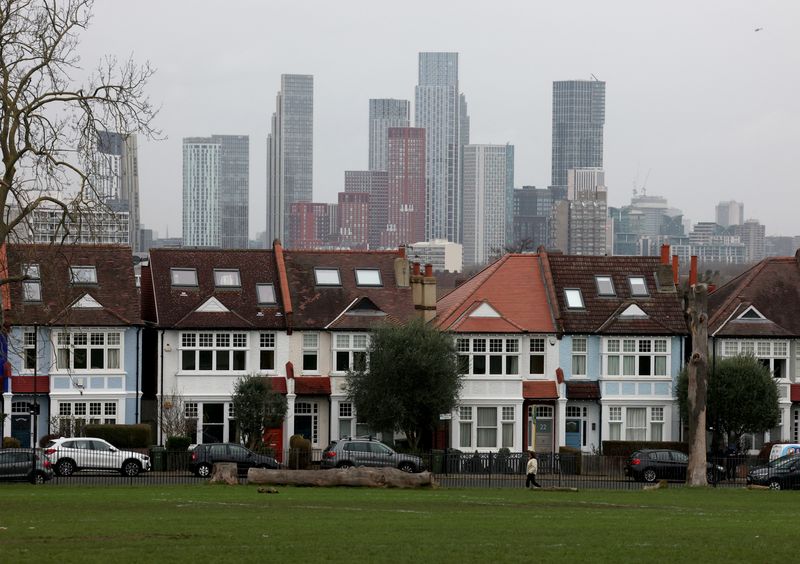
US inflation data reveals purchasing power loss occurs in concentrated bursts
Analysis of over a century of data shows that most US purchasing power loss occurs in concentrated bursts. This creates a high-price baseline that persists even when headline inflation rates decline.

- Core Development: Analysis of over a century of data shows that most US purchasing power loss occurs in concentrated bursts. This creates a high-price baseline that persists even when headline inflation rates decline.
- Beat Context: Categorized under Cost of Living with independent corroboration.
- Reporting Depth: 4 minute analytical read synthesized from verified newsroom sources.
Economic history suggests that the erosion of purchasing power is not a gradual, linear process, but rather a series of violent shocks. Analysis of over a century of data reveals that the overwhelming majority of value destruction occurs in concentrated bursts, effectively creating regime breaks that define the modern economic experience.
The Anatomy of Purchasing Power Loss
According to Eco3min Research, a review of 1,357 monthly observations of the US Consumer Price Index since 1913 demonstrates that the popular metaphor of inflation as a slow, steady "drip" is empirically inaccurate. Instead, the data indicates that 72% of all cumulative purchasing power destruction in the United States over the last 113 years occurred during only four specific windows, which combined account for just 29% of the total time period. These episodes include World War I, the post-World War II boom, the "Great Inflation" of 1968–1982, and the post-COVID surge of 2021–2023.
Media additions

The "Great Inflation" remains the most significant event in this historical dataset, contributing more to the total cumulative price increase than any other singular episode. While the mechanisms for these surges vary — ranging from wartime fiscal expansion and commodity shortages to post-pandemic supply chain disruptions — their commonality lies in the rapid compounding of price increases, which can effectively compress decades of standard erosion into a few short years.
Disinflation vs. The Reality of High Prices
While headline inflation numbers have returned to lower levels, with recent US readings of 2.4%, a disconnect persists between statistical measures and public perception. In the United Kingdom, for instance, official figures recently showed inflation reaching 2.3% in the year up to April 2024, yet public sentiment remains deeply pessimistic. Research from the campaign group Stop the Squeeze, reported via the Big Issue, found that nearly 90% of those surveyed reject the assertion that the cost of living crisis has concluded.
The divergence between falling inflation rates and sustained economic pressure is explained by the "high base" effect. Even when the rate of inflation slows, prices often remain elevated at levels significantly higher than those seen prior to the recent inflationary shocks. For example, food and non-alcoholic drink prices remain notably higher than they were in mid-2021, and annual household energy bills have seen similar increases in real terms. Experts from the Resolution Foundation note that while headline inflation returning to more normal levels is a positive development, the stabilization of essential costs at these elevated heights leaves lower-income households in a state of continued financial hardship.
Structural Shifts and Policy Responses
The historical data suggests that the nature of inflation underwent a fundamental change following the mid-1950s. Prior to that period, deflationary adjustments, periods where prices fell, were a normal component of the economic cycle. However, in the post-Bretton Woods era, inflation targeting has largely eliminated sustained price declines. This has created an asymmetric environment where prices move between "low" and "high" inflation states but rarely, if ever, reverse.
This reality informs the current debate regarding central bank interest rate policies. As economists observe, keeping rates high for too long to combat stubborn services inflation carries the risk of stifling wage growth and recovery, particularly as workers continue to see their earnings catch up with earlier price spikes. In the UK, charities such as the Trussell Trust and the Joseph Rowntree Foundation have highlighted that, for the most vulnerable, social security benefits have not kept pace with the sustained cost of essentials, leading to a rise in reliance on emergency food assistance.
What to Watch Next
- Structural Baseline Shifts: Analysts are monitoring whether the global trends of the 2010s, including technology-driven productivity and globalization, will exert downward pressure on prices, or if the post-pandemic economy has established a permanently higher baseline.
- Interest Rate Decisions: Central banks face pressure to balance the need for price stability with the risk of holding rates high enough to hamper recovery, especially as wage growth attempts to recover lost ground.
- Household Financial Security: With millions of households facing continued difficulty with bills and, in the UK, significant numbers of mortgages up for renewal throughout the remainder of 2026, the focus is shifting from "headline inflation" to the underlying economic security of families.
Ultimately, the historical record warns against the complacency that can arise during periods of normalized inflation. While modern monetary frameworks have successfully moderated the frequency of the most extreme inflationary bursts, the "baked in" nature of higher costs for essentials continues to present a significant challenge to household stability, reinforcing the view that economic recovery is measured differently by policy makers than by those managing the daily cost of living.
How significant is this development?
Contribute your assessment to the aggregated reader sentiment ledger.
Frequently Asked Questions
Key questions answered in this reportWhat is the key development in: US inflation data reveals purchasing power loss occurs in concentrated bursts?
Analysis of over a century of data shows that most US purchasing power loss occurs in concentrated bursts. This creates a high-price baseline that persists even when headline inflation rates decline.
Why is this Cost of Living development significant for the UK?
This report covers critical events in our Cost of Living beat. Independent reporting monitors related UK statements, regulatory shifts, and public responses as further verified details emerge.
How was this reporting corroborated and verified?
Newsarchy UK compiles and cross-references reporting from primary reporting from bigissue.com and cross-checked wire reports. All coverage adheres to published editorial standards.
When was this report published?
This briefing was published on July 14, 2026 and is permanently cataloged in the Newsarchy UK Cost of Living archives.