Ann Widdecombe death treated as targeted attack by counterterror police
Authorities have escalated the murder investigation of former MP Ann Widdecombe to a counter-terrorism probe following new evidence of a targeted attack. Police are now examining whether the suspect intended to target other Reform UK figures.
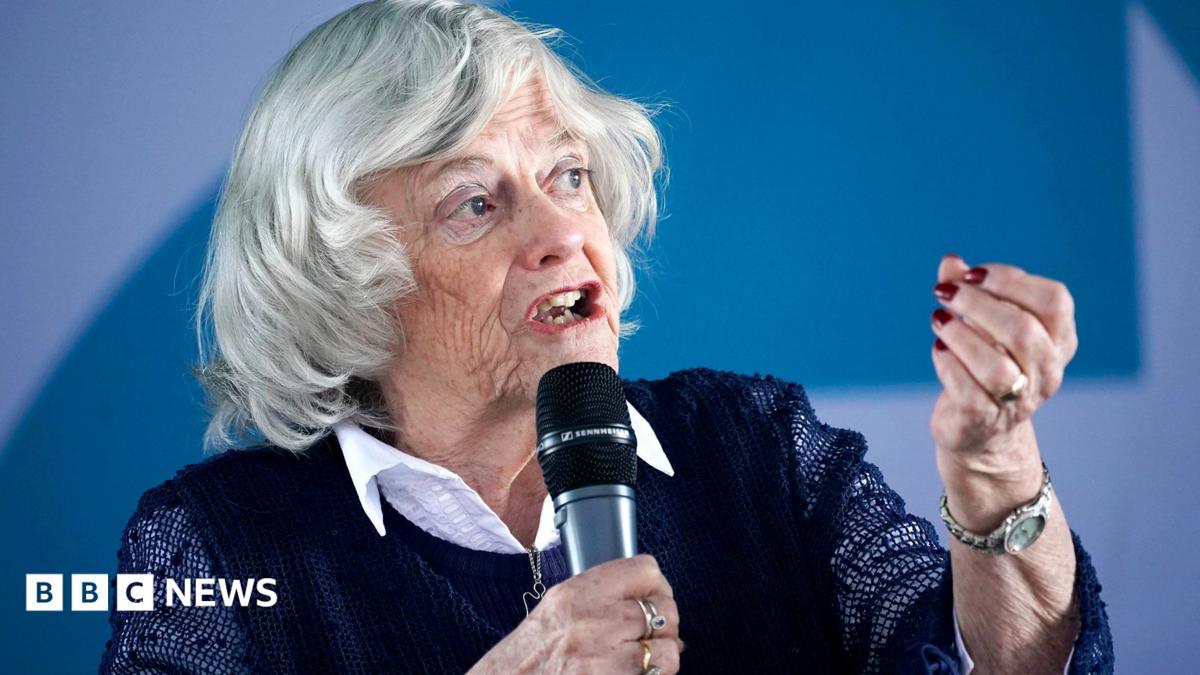
- Core Development: Authorities have escalated the murder investigation of former MP Ann Widdecombe to a counter-terrorism probe following new evidence of a targeted attack. Police are now examining whether the suspect intended to target other Reform UK figures.
- Beat Context: Categorized under World with independent corroboration.
- Reporting Depth: 3 minute analytical read synthesized from verified newsroom sources.
British counter-terrorism police have confirmed that the death of former lawmaker and television personality Ann Widdecombe was a targeted attack
, marking an escalation in an investigation that has left the political establishment reeling. Assistant Commissioner Laurence Taylor, the head of National Counter Terrorism Policing, revealed on Tuesday, 14 July 2026, that while the murder investigation remains active, authorities are now examining the incident in parallel with potential terrorism offences. The 78-year-old was discovered dead at her isolated home in Haytor on the edge of Dartmoor National Park on Thursday, 9 July 2026, after sustaining serious injuries.
Investigation and suspect status
A 28-year-old white British man remains in police custody. He was originally arrested in Rotherham, South Yorkshire, on Saturday, 11 July 2026, on suspicion of murder. Following the discovery of new evidence, investigators rearrested him on suspicion of the commission, preparation, or instigation of acts of terrorism. Under the Terrorism Act, police have secured a warrant of further detention, allowing them to hold and question the suspect for up to seven days. While the investigation is ongoing, police have confirmed that the suspect is not known to Prevent, the government’s programme aimed at identifying individuals at risk of radicalisation.
Media additions
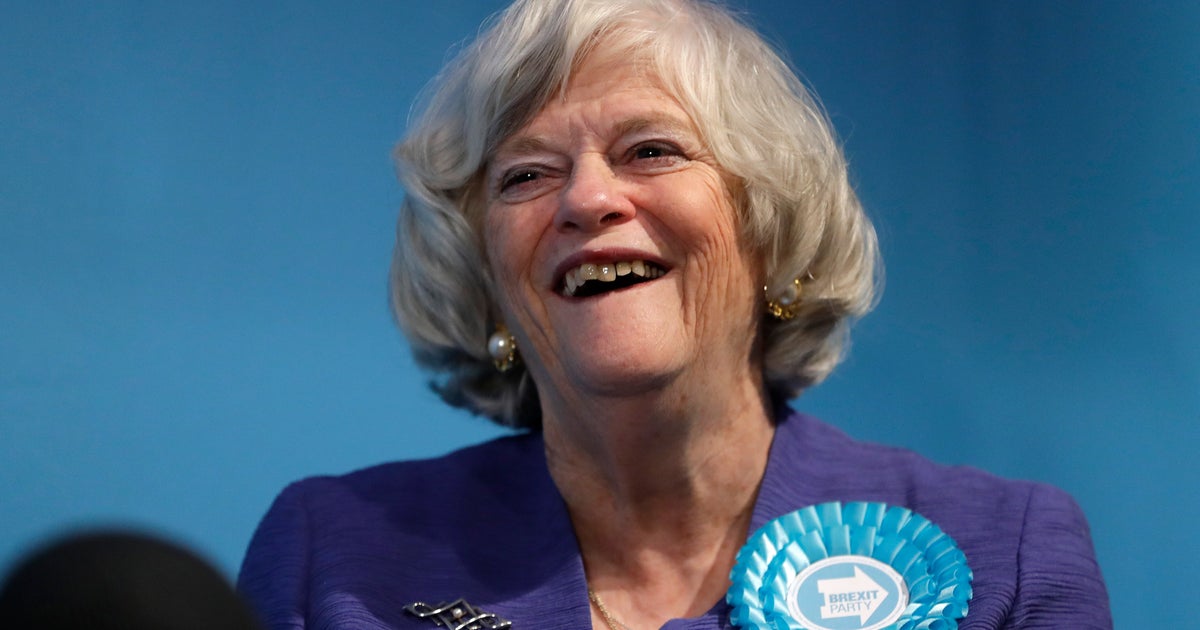


Assistant Commissioner Taylor stated that while it is clear that this was a targeted attack,
officials are currently working to ascertain the full extent of the planning involved and the underlying motivation. He confirmed that investigating whether the suspect intended to target other Reform UK figures is a specific line of inquiry. Part of our responsibility when investigating offences of this nature is to assure ourselves, and therefore the public and others, of any extant threat,
Taylor said, noting that they must put appropriate measures in place to mitigate any further risks.
Police handling and criticism
The transition of the case to counter-terrorism command on Monday, 13 July 2026, followed days of scrutiny regarding the initial response by Devon and Cornwall Police. Local officers had previously stated that there was nothing to suggest the killing was politically motivated or related to terrorism.
Alison Hernandez, the Police and Crime Commissioner for Devon and Cornwall, defended the force’s communication, arguing that it is common in fast-moving investigations for the nature of an enquiry to change as new information emerges.
Chronology of the incident
Police believe Widdecombe was attacked at approximately 12:30pm on Wednesday, 8 July 2026. Evidence suggests she stopped responding to messages from a producer at 12:19pm that day, prior to a scheduled appearance on a Channel 5 programme. She failed to attend subsequent media commitments, leading to the discovery of her body the following morning.
- Wednesday, 8 July: Widdecombe makes a morning media appearance before police believe she is attacked at her home around 12:30pm.
- Thursday, 9 July: Her body is found with serious injuries after she misses scheduled media appearances.
- Friday, 10 July: An initial suspect, a 26-year-old man, is arrested by Devon and Cornwall Police; he is later released without charge.
- Saturday, 11 July: A 28-year-old man is arrested in Rotherham on suspicion of murder.
- Monday, 13 July: Counter-terrorism police formally take over the investigation and rearrest the 28-year-old on terror-related charges.
- Tuesday, 14 July: Police confirm the incident was a targeted attack and state they are investigating potential links to other Reform UK figures.
As the probe continues, officials have urged the public to avoid speculation, stressing the complexity of the digital forensic examinations currently underway. Authorities have described the incident as a brutal attack
on the former politician, who had transitioned from a long career in the House of Commons, where she served from 1987 to 2010, to roles with the Brexit Party and, most recently, as a spokesperson for Reform UK.
The death has reignited long-standing concerns regarding the safety of public figures in the UK. The deaths of Labour MP Jo Cox in 2016 and Conservative MP David Amess in 2021 serve as recent, traumatic precedents for the vulnerability of politicians.
How significant is this development?
Contribute your assessment to the aggregated reader sentiment ledger.
Frequently Asked Questions
Key questions answered in this reportWhat is the key development in: Ann Widdecombe death treated as targeted attack by counterterror police?
Authorities have escalated the murder investigation of former MP Ann Widdecombe to a counter-terrorism probe following new evidence of a targeted attack. Police are now examining whether the suspect intended to target other Reform UK figures.
Why is this World development significant for the UK?
This report covers critical events in our World beat. Independent reporting monitors related UK statements, regulatory shifts, and public responses as further verified details emerge.
How was this reporting corroborated and verified?
Newsarchy UK compiles and cross-references reporting from primary reporting from apnews.com and cross-checked wire reports. All coverage adheres to published editorial standards.
When was this report published?
This briefing was published on July 14, 2026 and is permanently cataloged in the Newsarchy UK World archives.