BBC warns of financial jeopardy as licence fee model faces decline
Facing a deepening disconnect between its reach and revenue, the BBC has called for a fundamental restructuring of its funding model ahead of 2027.
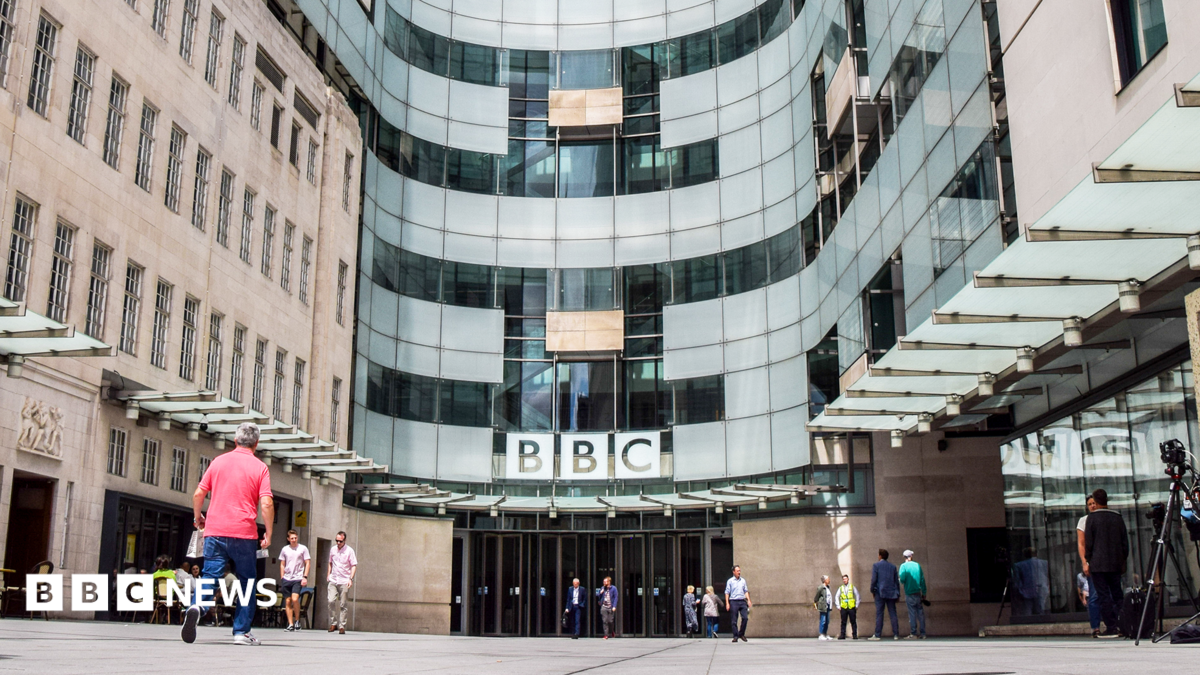
- Core Development: Facing a deepening disconnect between its reach and revenue, the BBC has called for a fundamental restructuring of its funding model ahead of 2027.
- Beat Context: Categorized under Culture with independent corroboration.
- Reporting Depth: 3 minute analytical read synthesized from verified newsroom sources.
The Bbc is confronting a period described by its leadership as one of “real jeopardy,” as the broadcaster’s latest annual report highlights a deepening disconnect between its reach and its revenue. With the organisation’s royal charter set to expire in 2027, the publication of the annual report serves as an appeal to the government for a fundamental restructuring of how the corporation is financed.
While the BBC remains a prominent cultural fixture—reaching 94 percent of UK adults every month—the financial mechanism underpinning this reach is showing signs of decline. The current funding model, centred on the TV licence fee, is increasingly viewed by senior leadership as a tool designed for a different era. The director-general, recently characterised the system as a busted flush
, arguing that it remains anchored to yesterday’s behaviour
at a time when audience habits have shifted toward global streaming services and digital platforms.
Media additions

A Shrinking Revenue Base
The annual report reveals a contraction in the licence fee base. There are currently 23.3 million TV licences in force, a figure that has dropped by two million over five years, down from 25.3 million in 2020-21. The report notes that fewer than 80 percent of households now pay the fee, despite the fact that 94 percent of adults engage with BBC services. This disparity sits at the heart of the corporation’s argument for reform; the current system fails to capture a large segment of the population that consumes BBC content without contributing to the cost of its production.
Although the licence fee generated £3.9 billion in the most recent period, the BBC asserts that its real-terms funding has eroded. The corporation claims its income has effectively fallen by £1.3 billion since 2017 when adjusted for inflation, due to licence fee freezes and changing audience behaviour. This financial strain is compounded by the need for further internal savings. The BBC has already secured over £1.5 billion in savings during the current charter period, with plans to deliver £500 million in additional savings by 2028/29. This process includes a planned reduction of 550 roles, contributing to a trend that has seen the total headcount drop by more than 10 percent since 2019/20.
Broader Challenges
Beyond the fiscal crisis, the report addresses institutional challenges, including reputational pressures following recent editorial controversies. The broadcaster acknowledged an increase in formal bullying and harassment cases, though it noted that the time required to resolve these cases has decreased from 119 days to 75 days following the implementation of its Call It Out
campaign. Legal pressures also persist, including a claim involving a former US president. The BBC maintains it has made no financial provision for this potential claim, noting that the content in question was not broadcast within the United States.
What to Watch Next
- Charter Renewal: Negotiations with the government regarding the 2027 royal charter will dictate the BBC’s long-term structure and mandate.
- Funding Model Debates: While the BBC seeks a more sustainable path, Culture Secretary Lisa Nandy has ruled out alternative funding methods, including general taxation, a levy on streamers, or the introduction of advertising.
- Regional Investment: The corporation continues its push for devolution, maintaining a strategy of spending a significant portion of its network TV budget outside of London to bolster regional economies, including Greater Manchester.
- Operational Efficiency: With a net reduction of 400 full-time roles confirmed by March 2026, further details on the 550 planned layoffs are expected as the broadcaster navigates its savings target.
As the chair, Samir Shah, noted on Tuesday, the current model cannot maintain the public service mission in its existing form. The outcome of the upcoming charter negotiations will determine whether the BBC evolves to capture a new generation of viewers or remains in a funding cycle that its own leadership describes as a relic of the past.
How significant is this development?
Contribute your assessment to the aggregated reader sentiment ledger.
Frequently Asked Questions
Key questions answered in this reportWhat is the key development in: BBC warns of financial jeopardy as licence fee model faces decline?
Facing a deepening disconnect between its reach and revenue, the BBC has called for a fundamental restructuring of its funding model ahead of 2027.
Why is this Culture development significant for the UK?
This report covers critical events in our Culture beat. Independent reporting monitors related UK statements, regulatory shifts, and public responses as further verified details emerge.
How was this reporting corroborated and verified?
Newsarchy UK compiles and cross-references reporting from primary reporting from bbc.co.uk and cross-checked wire reports. All coverage adheres to published editorial standards.
When was this report published?
This briefing was published on July 15, 2026 and is permanently cataloged in the Newsarchy UK Culture archives.