US reimposes Iran naval blockade as Tehran threatens regional energy exports
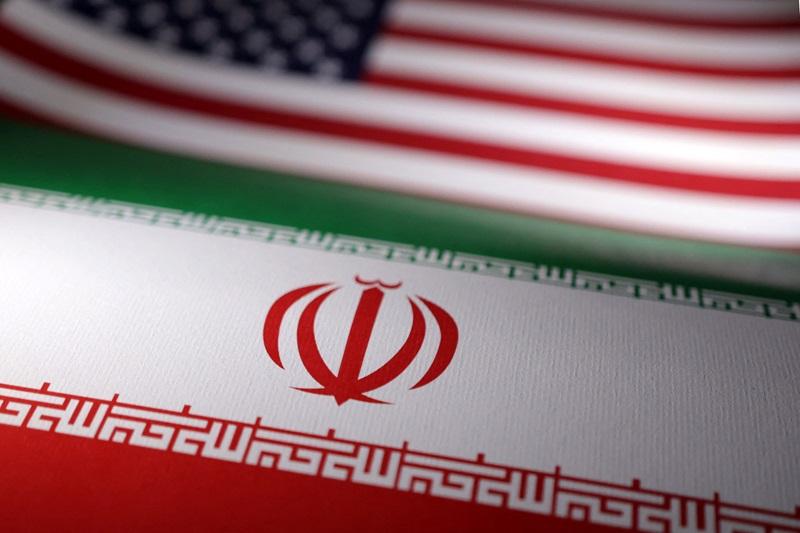
The U.S. military has reimposed a naval blockade on Iranian ports, marking the collapse of a ceasefire agreement. In response, Iran has threatened to halt all oil and gas exports from the Middle East unless the blockade is lifted.
- Core Development: The U.S. military has reimposed a naval blockade on Iranian ports, marking the collapse of a ceasefire agreement. In response, Iran has threatened to halt all oil and gas exports from the Middle East unless the blockade is lifted.
- Beat Context: Categorized under World with independent corroboration.
- Reporting Depth: 3 minute analytical read synthesized from verified newsroom sources.
The United States military reimposed a naval blockade on Iranian ports effective Wednesday, 15 July 2026, marking a dramatic collapse of the interim ceasefire agreement that had governed the Strait of Hormuz shipping lanes for the previous two months. The escalation follows a series of direct military engagements, with the U.S. Carrying out sustained aerial campaigns against targets within Iran, including military barracks and industrial infrastructure, while Tehran has intensified its missile and drone strikes against U.S. Allies across the Gulf.
The naval blockade, which began at 20:00 GMT on Tuesday, 14 July 2026, aims to control maritime traffic entering and exiting Iranian coastal areas. This maneuver serves as the primary enforcement mechanism in the U.S. Effort to curb what Central Command describes as Iranian-led threats to commercial shipping. As the blockade took effect, Iran’s Revolutionary Guard issued a stark warning regarding the global energy supply, threatening to halt all oil and gas exports from the Middle East unless the blockade is lifted. The export of oil and gas from the region will be either for everyone or for no one,
the organization stated, according to AP News.
Media additions


Escalating Conflict and Regional Impact
The military environment has deteriorated rapidly over the past 48 hours. According to reporting from Al Jazeera, the U.S. Strikes have hit targets including the city of Abadan, home to one of the region's oldest oil refineries, as well as port facilities in Mahshahr, Qeshm Island, and Kish Island. In a separate development, CBS News reported that a missile strike on an Iranian army barracks near Iranshahr resulted in fatalities among military personnel, while regional health officials reported that over 260 individuals have been wounded in the recent wave of violence.
Tehran’s response has expanded beyond direct confrontations with U.S. Naval forces. Neighboring nations have reported significant aerial activity, with Jordan confirming the interception of incoming ballistic missiles, and Kuwait reporting damage to a naval vessel alongside injuries to four service members during a drone and missile barrage.
Policy Shifts and Economic Stakes
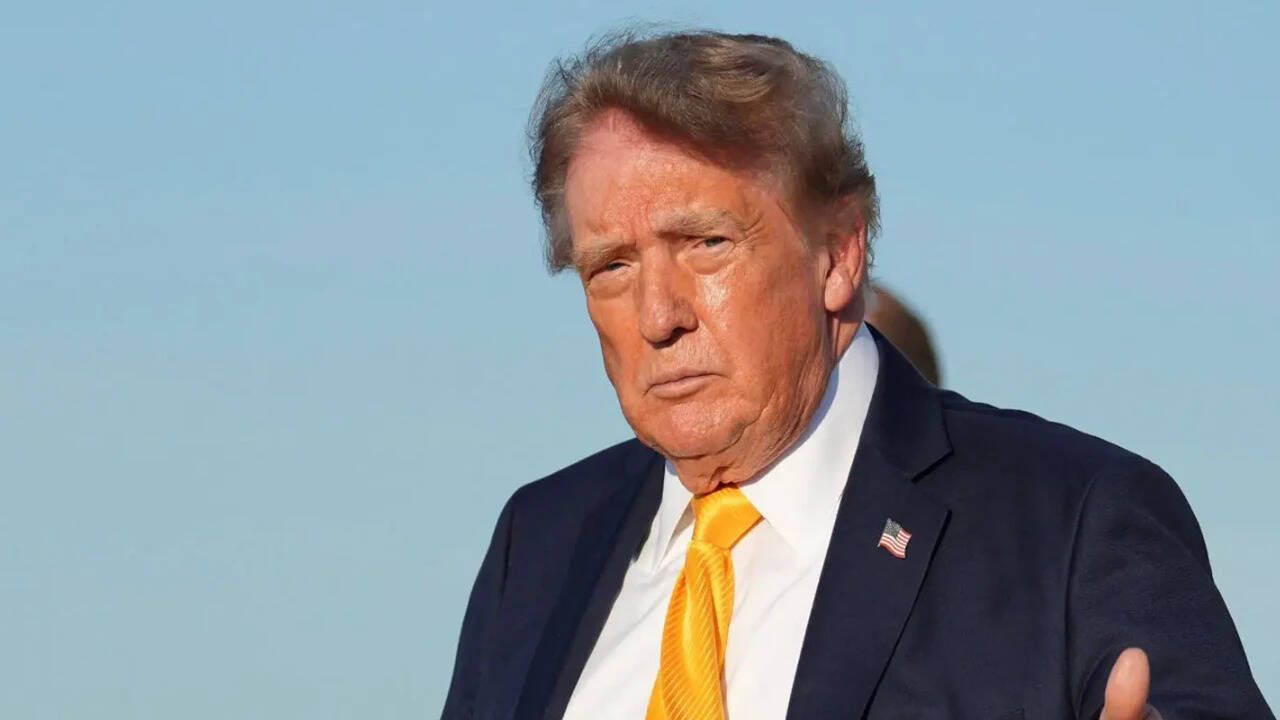
The reinstitution of the blockade coincides with a pivot in U.S. Economic strategy. After initially proposing a 20% surcharge on cargo transiting the Strait of Hormuz to offset the costs of securing the waterway, President Trump announced he would abandon the levy. According to Yahoo News, this reversal followed discussions with regional leaders who proposed making direct investments in the United States instead of paying transit fees.
The economic impact of the instability remains volatile. Following the announcement of the renewed blockade, the price of Brent crude fluctuated, reflecting investor anxiety over the security of the strait, through which roughly one-fifth of the world’s energy trade flows.
What to Watch Next
- Infrastructure Targets: U.S. Officials have signaled that upcoming strikes could extend to critical infrastructure, including power plants and bridges, should diplomatic negotiations fail to resume.
The status of diplomatic channels remains precarious. While the U.S. Maintains that the current blockade is a response to the erosion of the memorandum of understanding signed in June, Iranian officials, including Deputy Foreign Minister Kazem Gharibabadi, contend that the U.S. Has effectively nullified all obligations under that agreement. As noted by Iran International, the underlying tension remains centered on the status of foreign nationals detained in Iran, a domestic issue that continues to complicate the broader international discourse.
How significant is this development?
Contribute your assessment to the aggregated reader sentiment ledger.
Frequently Asked Questions
Key questions answered in this reportWhat is the key development in: US reimposes Iran naval blockade as Tehran threatens regional energy exports?
The U.S. military has reimposed a naval blockade on Iranian ports, marking the collapse of a ceasefire agreement. In response, Iran has threatened to halt all oil and gas exports from the Middle East unless the blockade is lifted.
Why is this World development significant for the UK?
This report covers critical events in our World beat. Independent reporting monitors related UK statements, regulatory shifts, and public responses as further verified details emerge.
How was this reporting corroborated and verified?
Newsarchy UK compiles and cross-references reporting from primary reporting from apnews.com and cross-checked wire reports. All coverage adheres to published editorial standards.
When was this report published?
This briefing was published on July 15, 2026 and is permanently cataloged in the Newsarchy UK World archives.