BBC plans to shut TV channels and move online to save £500m
The BBC is preparing to scale back traditional television broadcasting operations and accelerate its shift toward online-only delivery to secure significant financial savings.

- Core Development: The BBC is preparing to scale back traditional television broadcasting operations and accelerate its shift toward online-only delivery to secure significant financial savings.
- Beat Context: Categorized under Culture with independent corroboration.
- Reporting Depth: 3 minute analytical read synthesized from verified newsroom sources.
The BBC is preparing to scale back its traditional television broadcasting operations and accelerate its shift toward online-only delivery as part of a sweeping strategy to secure significant financial savings, according to recent media reports.
According to reporting from The i Paper, the broadcaster is seeking to achieve hundreds of millions of pounds in savings to avert a financial crisis. Strategists within the organization envisage a landscape over the coming decade where scheduled linear television and traditional radio services diminish, replaced primarily by on-demand applications like iPlayer and Sounds. Spending on new programming has already been reduced, impacting the capacity of live channels to sustain full schedules of original commissions.
Media additions

Low-performing services are bearing the initial brunt of these economic adjustments. Youth-focused channel BBC Three and BBC Scotland are facing imminent review, with staff announcements anticipated regarding their future according to The i Paper. BBC Three has previously encountered cost-cutting measures, while the Scottish regional channel has faced questions over live viewing figures relative to its allocated budget. Additional services, including the digital archive station Radio 4 Extra, have also drawn scrutiny as executives weigh the costs of maintaining dedicated DAB broadcasts against migrating content entirely to digital platforms.
These contemplated changes unfold against a broader national backdrop concerning the sustainability of public service media. Government consultations, such as those outlined in a Department for Culture, Media and Sport publication on plans for prominence of trusted news sources on social media alongside measures to reform Public Service Media in the UK, highlight a wider regulatory push to modernize the sector. As audiences increasingly consume video and news content via internet-connected devices and social platforms rather than traditional aerials, policymakers are evaluating frameworks to ensure trusted public service content remains discoverable amidst algorithmic feeds.
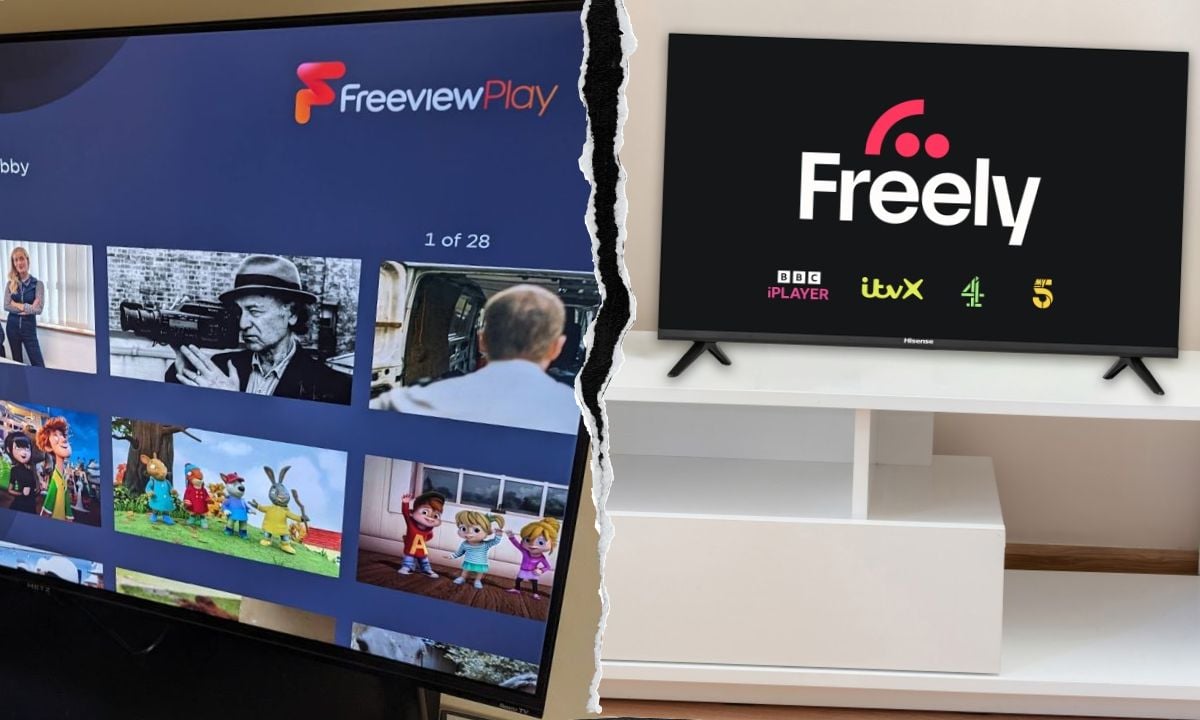
At the same time, the underlying distribution architecture of British television is facing a generational pivot. Industry analysis indicates a steep decline in traditional Freeview usage over the next decade as broadband-delivered alternatives gain traction. Projections cited by Cord Busters suggest that homes relying primarily on standard aerial television could decrease significantly by the mid-2030s, concurrent with the growth of internet-based platforms like Freely. While official bodies maintain that digital terrestrial television is legally protected for years to come, the accelerating transition toward streaming continues to force difficult economic choices upon traditional broadcasters.
Further economic pressures are evident across the wider television landscape. The BBC has implemented reductions in spending on new shows, impacting the ability of live television channels to maintain a full schedule. Former senior executives have noted that daytime schedules are increasingly reliant on repeats and news simulcasting. At the same time, flagship entertainment programming continues to draw large audiences, highlighting a viewing public that remains engaged with major event television even as routine viewing habits fragment across online alternatives.
Government green papers and independent industry forecasts indicate that the transition away from traditional transmission infrastructure is gathering momentum. Regulators are consulting on frameworks that will govern the visibility of trusted public service media on social networks and video-sharing platforms, aiming to protect the discoverability of reliable news against algorithmic curation. Meanwhile, public service broadcasters face mounting challenges in sustaining expensive broadcast transmission networks while simultaneously investing in the digital platforms demanded by modern audiences.
What happens next depends heavily on upcoming corporate announcements regarding channel closures, formal responses to government media green papers, and the eventual timelines established for the evolution of digital broadcasting infrastructure across the United Kingdom.
How significant is this development?
Contribute your assessment to the aggregated reader sentiment ledger.
Frequently Asked Questions
Key questions answered in this reportWhat is the key development in: BBC plans to shut TV channels and move online to save £500m?
The BBC is preparing to scale back traditional television broadcasting operations and accelerate its shift toward online-only delivery to secure significant financial savings.
Why is this Culture development significant for the UK?
This report covers critical events in our Culture beat. Independent reporting monitors related UK statements, regulatory shifts, and public responses as further verified details emerge.
How was this reporting corroborated and verified?
Newsarchy UK compiles and cross-references reporting from primary reporting from BBC and cross-checked wire reports. All coverage adheres to published editorial standards.
When was this report published?
This briefing was published on October 4, 2026 and is permanently cataloged in the Newsarchy UK Culture archives.