Burnham to scrap Starmer’s digital ID scheme in ‘reset of priorities’
Incoming Prime Minister Andy Burnham plans to terminate the digital ID scheme to pivot resources toward the cost of living. The decision is his first major departure from the previous administration's policy platform.
- Core Development: Incoming Prime Minister Andy Burnham plans to terminate the digital ID scheme to pivot resources toward the cost of living. The decision is his first major departure from the previous administration's policy platform.
- Beat Context: Categorized under Culture with independent corroboration.
- Reporting Depth: 4 minute analytical read synthesized from verified newsroom sources.
Incoming Prime Minister Andy Burnham is set to formally scrap the digital ID scheme initiated by his predecessor, Keir Starmer, marking a distinct shift in the government’s policy agenda. As Burnham prepares to enter Downing Street on Monday, his team has framed the move as a critical “reset of priorities” designed to pivot state resources toward the cost of living.
The decision represents the first major departure from the previous administration’s policy platform. While the full financial scope of the cancellation remains opaque—as the prior government failed to publish a definitive budget—the Office for Budget Responsibility previously estimated that the programme could have cost £1.8bn over three years. Official government estimates were never provided, a gap that a parliamentary committee noted left the total potential expenditure uncertain.
Media additions
A Controversial Legacy
First announced in September, the digital ID proposal was envisioned by Starmer as a way to combat illegal working and secure the UK’s borders. The initial concept for what was often termed a "Brit card" was intended to be a mandatory identification document for those verifying their right to work. The cards were to detail the holder’s residency status, name, date of birth, and nationality, alongside their photograph. Starmer had previously described the rollout as “an enormous opportunity for the UK,” claiming it would make it tougher to work illegally.
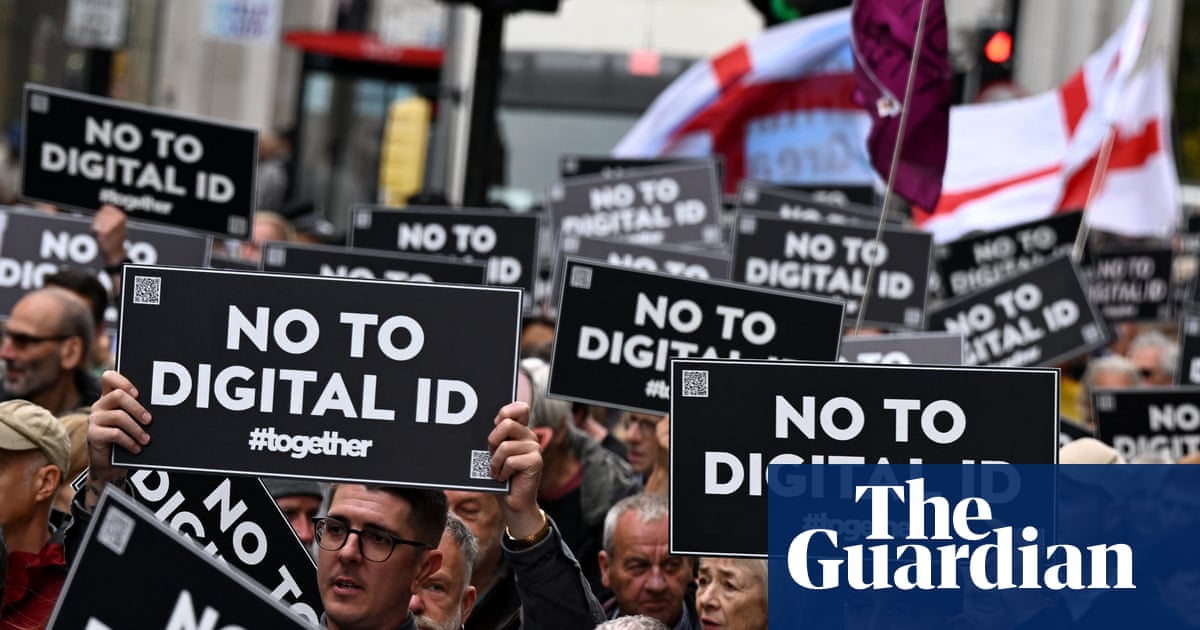
However, the scheme faced intense scrutiny from privacy advocates, opposition lawmakers, and the public. A petition opposing the project previously garnered 3m signatures, reflecting widespread unease regarding government data management and potential surveillance. By earlier this year, the backlash forced the government to retreat from its original, mandatory design, instead proposing a voluntary system where workers could use existing documents like passports.
Critics of the initial proposal were vocal. Conservative lawmaker David Davis argued that the government’s track record in managing personal data offered little confidence in the security of a centralized digital system, stating:
"No system is immune to failure, and we have seen time and again governments and tech giants fail to protect people’s personal data. If world-leading companies cannot protect our data, I have little faith that Whitehall would be able to do better."
Jim Killock of the Open Rights Group warned at the time that the infrastructure threatened to establish a "pre-crime state." Conversely, the Tony Blair Institute had supported the project, with director of government innovation Alexander Iosad describing it as a potentially important step for public services.
Political Reaction
The move to abandon the scheme has received a polarized reception across the political spectrum:
- Liberal Democrats: Cabinet Office spokesperson Lisa Smart welcomed the decision, characterizing it as a relief for citizens who feared being forced to surrender private data for daily activities. She labeled the decision a "huge win" for those who opposed the scheme.
- Conservative Party: Shadow technology secretary Julia Lopez accused the incoming administration of engaging in political theatre, questioning whether the move was a genuine change in policy or merely an effort to claim credit for a scheme that had already been softened. Conservative leader Kemi Badenoch also characterized the announcement as a "throwaway" intended to distract from leadership manoeuvrings.
- Big Brother Watch: Jack Coulson, head of advocacy, hailed the decision as a positive, significant break from the prior administration’s direction.
While the digital ID project is being shelved, officials close to Burnham indicated that the government remains committed to its wider crackdown on illegal working. Right-to-work checks are expected to remain mandatory for all employers, with new legislation expected to extend verification to the gig economy, including parcel couriers and delivery drivers.
Broader Whitehall Shifts
The cancellation of the digital ID program is part of a larger, ongoing reconfiguration of Whitehall. Reports suggest that Burnham intends to absorb the Department for Science, Innovation and Technology into a more expansive business department, a move that has drawn concern from technology sector experts. This structural change accompanies his stated desire to devolve power from Whitehall to regions across the UK.
As Andy Burnham is scheduled to become Prime Minister following a visit to Buckingham Palace on Monday to "kiss hands" with King Charles, his immediate agenda remains centered on what his spokesperson described as creating "breathing space" for households. Beyond the domestic agenda, reports suggest he may also be preparing to approve further oil and gas drilling in the North Sea, potentially marking another break from his predecessor’s policy platform.
How significant is this development?
Contribute your assessment to the aggregated reader sentiment ledger.
Frequently Asked Questions
Key questions answered in this reportWhat is the key development in: Burnham to scrap Starmer’s digital ID scheme in ‘reset of priorities’?
Incoming Prime Minister Andy Burnham plans to terminate the digital ID scheme to pivot resources toward the cost of living. The decision is his first major departure from the previous administration's policy platform.
Why is this Culture development significant for the UK?
This report covers critical events in our Culture beat. Independent reporting monitors related UK statements, regulatory shifts, and public responses as further verified details emerge.
How was this reporting corroborated and verified?
Newsarchy UK compiles and cross-references reporting from primary reporting from theguardian.com and cross-checked wire reports. All coverage adheres to published editorial standards.
When was this report published?
This briefing was published on July 19, 2026 and is permanently cataloged in the Newsarchy UK Culture archives.