Iran suspends commitments on US agreement as 50 reported killed this month
Tehran has officially abandoned its peace agreement with the US following intense military clashes that have devastated critical infrastructure across the Gulf. This breakdown marks a severe escalation in regional hostilities, impacting both civilian utility services and global maritime transit.

- Core Development: Tehran has officially abandoned its peace agreement with the US following intense military clashes that have devastated critical infrastructure across the Gulf. This breakdown marks a severe escalation in regional hostilities, impacting both civilian utility services and global maritime transit.
- Beat Context: Categorized under World with independent corroboration.
- Reporting Depth: 3 minute analytical read synthesized from verified newsroom sources.
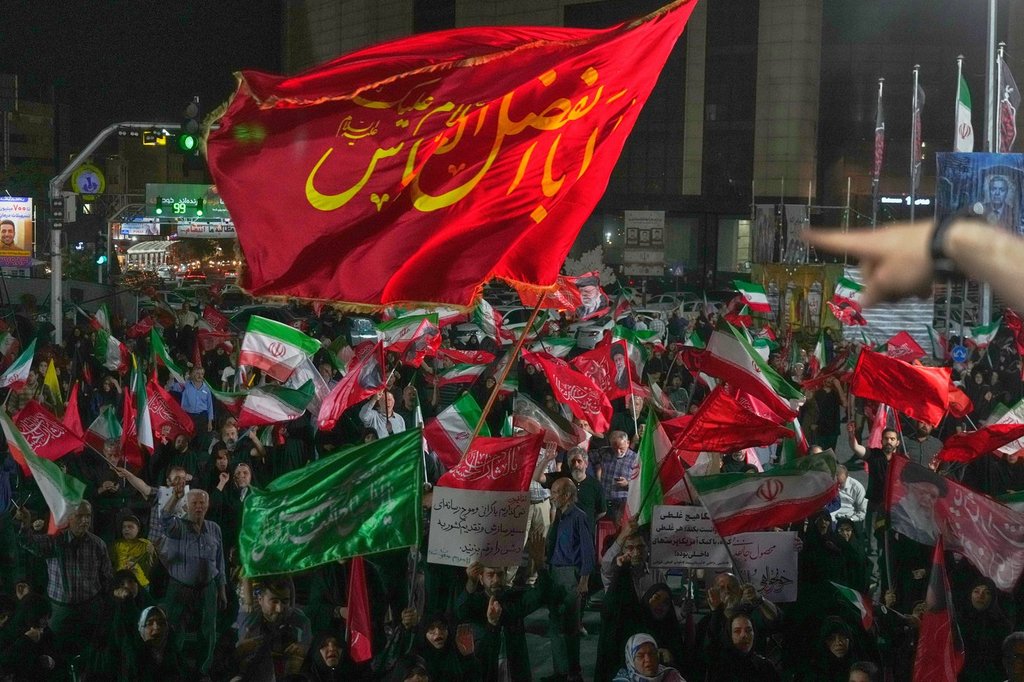
The security situation across the Middle East has entered a period of extreme volatility as Iran officially announced the suspension of its commitments to the Islamabad memorandum of understanding. This decision follows an intense week of military escalation, with United States forces conducting multiple nights of strikes against targets within Iranian territory, while Tehran has responded by widening its retaliatory reach across the Gulf.
Escalation in the Gulf
The breakdown of the interim peace agreement, signed in mid-June, has been accompanied by a surge in casualties. According to Iran’s Health Ministry, at least 50 people have been killed and more than 500 injured as a result of airstrikes launched by the United States since 6 July 2026. Iranian Deputy Foreign Minister Kazem Gharibabadi declared on 18 July 2026 that because Washington had violated the terms of the agreement, Tehran is no longer bound by its obligations.
Media additions

The conflict has increasingly targeted civilian and essential infrastructure. In the southern Iranian province of Hormozgan, strikes destroyed key facilities, including a seawater pumping station and power transformer at the Bunji desalination plant. These attacks have reportedly left approximately 10,000 residents without access to drinking water. Iranian officials also reported that US strikes have knocked out at least 116 telecommunications towers, disrupting mobile and landline connectivity in the region.
Retaliatory Strikes and Regional Impact
In response to the US campaign, Iran has launched drone and missile operations against US-allied nations hosting American military assets. Kuwait has faced sustained pressure, with officials reporting that Iranian strikes targeted multiple power and water desalination plants. These attacks resulted in the deactivation of several power generation units and caused fires at oil sector facilities. Kuwaiti authorities stated that several firefighters were injured while responding to the blazes.
Further regional tensions were observed as air raid sirens sounded in Bahrain, and Jordanian authorities intercepted 10 Iranian ballistic missiles. The Islamic Revolutionary Guard Corps (IRGC) claimed to have targeted a US military fuel pier in Kuwait, as well as sites in Bahrain, Qatar, Oman, Syria, and Jordan. The Secretary-General of the Gulf Cooperation Council, Jassim Albudaiwi, has characterised the targeting of civilian infrastructure as a violation of international norms and accused Iran of committing war crimes.
Strait of Hormuz and Global Markets
Control of the Strait of Hormuz remains a primary point of friction. Under the now-suspended agreement, Iran had been tasked with managing shipping through the channel. However, the United States has reimposed a naval blockade on Iranian ports, citing the necessity of ensuring open transit for commercial vessels. US Central Command (CENTCOM) reported that it has redirected several commercial ships and disabled others to enforce this blockade.
The uncertainty surrounding these maritime routes has sent ripples through the global economy. The US military has confirmed the deaths of service members in Jordan, prompting an expanded series of strikes designed to degrade Iran’s ability to project power or threaten regional maritime traffic.
What to Watch Next
- Diplomatic Standoff: With the Islamabad memorandum effectively abandoned, the path to renewed negotiations remains unclear as both sides exchange threats of further escalation.
- Infrastructure Stability: As desalination and power plants in the Gulf and Iran remain targets, regional authorities are bracing for potential disruptions to basic utility services.
- International Response: US and regional embassies have issued updated travel advisories, warning of potential flight interruptions and risks to American interests globally.
Iran’s Supreme Leader, Mojtaba Khamenei, warned in a statement that Tehran would inflict unforgettable lessons
on the United States if the strikes continue, maintaining a hardline stance despite the significant damage to national infrastructure. As the regional conflict continues, the focus remains on whether these strikes will compel a change in military strategy or lead to a deeper, more protracted period of instability.
How significant is this development?
Contribute your assessment to the aggregated reader sentiment ledger.
Frequently Asked Questions
Key questions answered in this reportWhat is the key development in: Iran suspends commitments on US agreement as 50 reported killed this month?
Tehran has officially abandoned its peace agreement with the US following intense military clashes that have devastated critical infrastructure across the Gulf. This breakdown marks a severe escalation in regional hostilities, impacting both civilian utility services and global maritime transit.
Why is this World development significant for the UK?
This report covers critical events in our World beat. Independent reporting monitors related UK statements, regulatory shifts, and public responses as further verified details emerge.
How was this reporting corroborated and verified?
Newsarchy UK compiles and cross-references reporting from primary reporting from livemint.com and cross-checked wire reports. All coverage adheres to published editorial standards.
When was this report published?
This briefing was published on July 19, 2026 and is permanently cataloged in the Newsarchy UK World archives.