Post-Brexit EU red tape cuts small UK music tours by 21 percent
Post-Brexit regulatory barriers have caused live music performances by small and medium UK acts in the EU to drop by 21 percent, fueling a wider debate over EU relations.
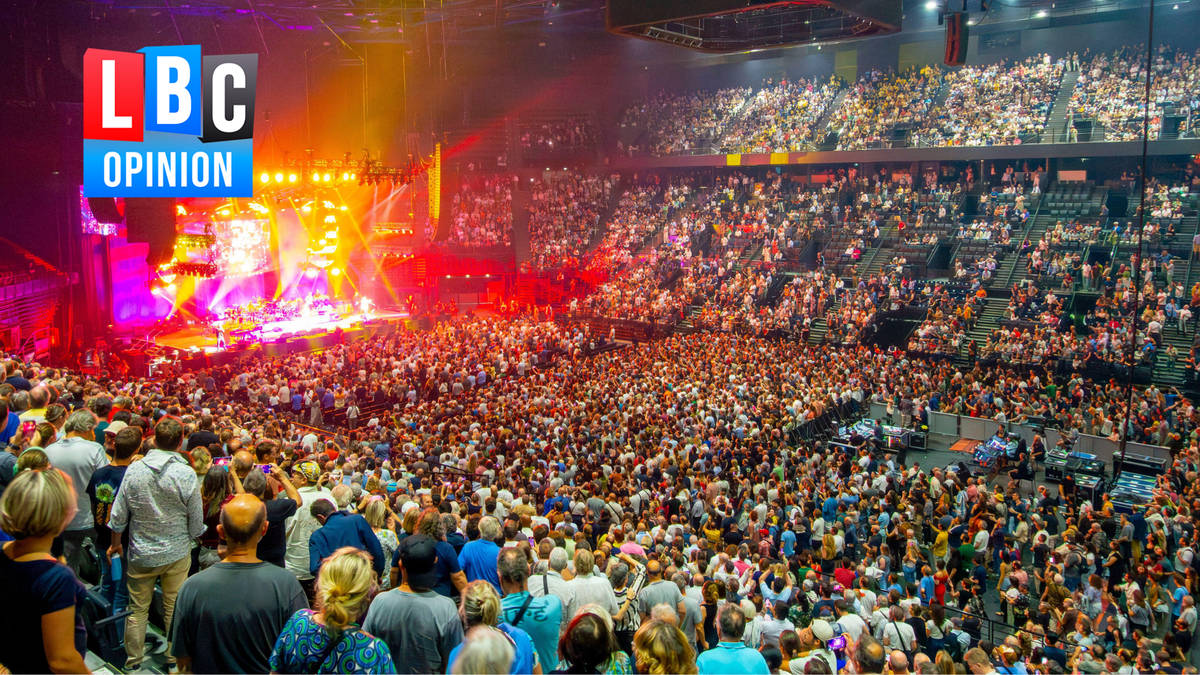
Post-Brexit red tape and shifting travel rules have driven a significant contraction in live music touring across the continent, while broader political debates over the EU relationship continue to divide Westminster.
Live performances in the European Union reported to PRS for Music fell by 21 percent between 2019 and 2024, according to data highlighted by Crispin Hunt, President of PRS Members’ Council, writing for Lbc. The regulatory barriers imposed following the UK's departure from the European Union have fallen disproportionately on smaller and medium-sized acts, who played 4,400 fewer shows in the EU over the period. Conversely, stadium and arena tours by established artists grew, masking a growing crisis in the grassroots pipeline.
Media additions

Hunt noted that emerging artists face a complex web of rules, including differing work permit requirements in each member state, the 90-in-180-day Schengen limit, ATA carnets for equipment, and cabotage restrictions that limit UK-registered trucks to three drop-offs. While major acts possess the staff and budgets to absorb these costs, an emerging artist weighing a handful of dates finds the financial margin too narrow. Government research underpinned by PRS data estimates that between 2022 and 2024, the UK lost £208 million in gross value added and 2,490 jobs within touring sectors, while EU host countries lost an estimated £1.04 billion in GVA and 17,010 jobs.
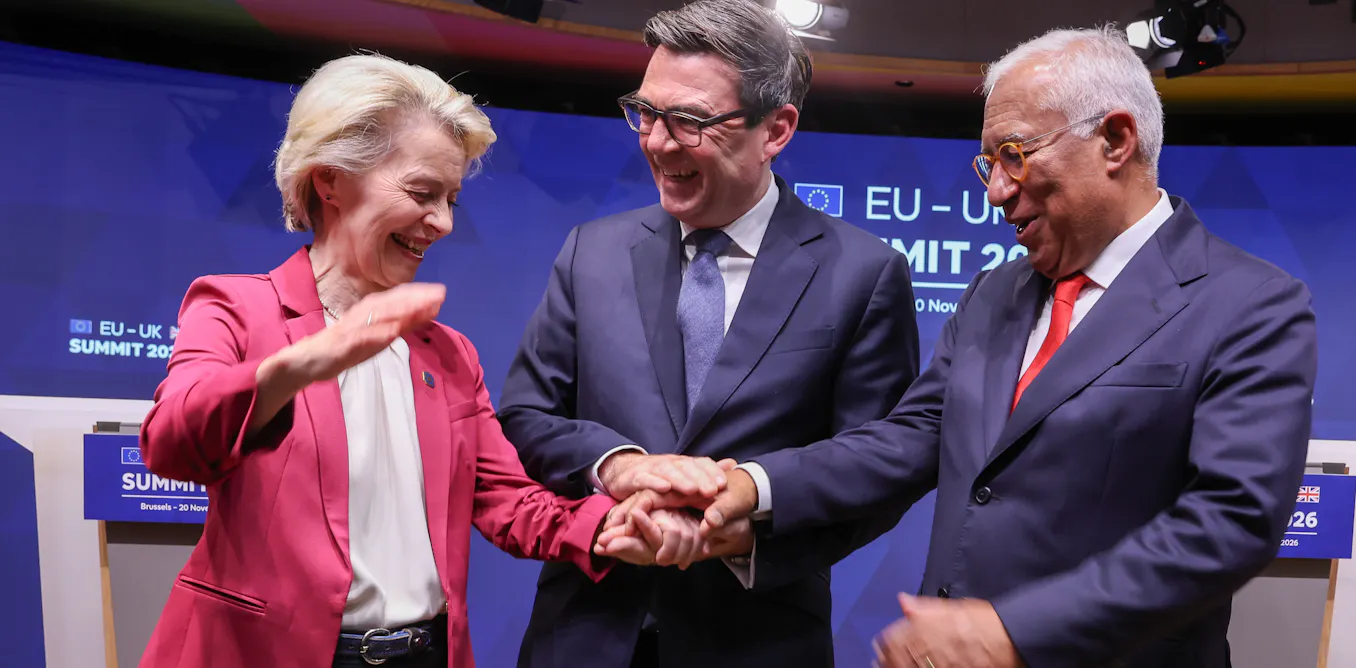
The touring crisis forms part of a wider post-Brexit political landscape. Prime Minister Andy Burnham recently secured a series of agreements in Brussels aimed at resetting relations with the bloc. Speaking in Theconversation, analysts examined the paradox of the reset deal, which includes a sanitary and phytosanitary (SPS) agreement to remove food and drink certification requirements from March 2028, the linking of emissions trading systems, and a youth experience scheme allowing up to 100,000 young people to work and study across borders.
The Brussels summit also yielded commitments to explore solutions for touring artists and convene an annual forum on culture, though critics point out that concrete legislative changes for musicians remain absent. Opposition leaders have attacked the reset. Conservative leader Kemi Badenoch argued that Burnham oversold the agreement and claimed the prime minister is trying to take Britain back to an earlier era, while Reform UK leader Nigel Farage branded the deal a betrayal of Brexit. According to Yahoo Finance UK, the legal text of the trade deal contains a termination clause requiring either party to pay reasonable and proportionate costs to rebuild border infrastructure if they terminate the agreement within its first ten years.
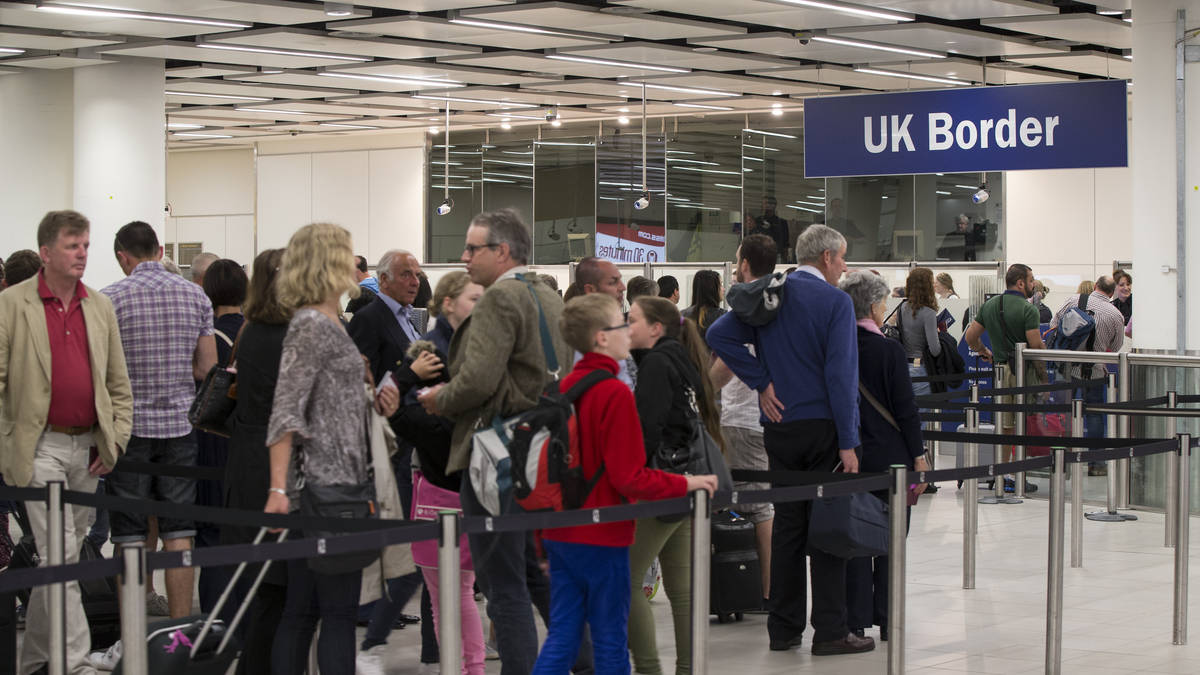
At the same time, the government has faced intense debate over net migration figures. As reported by the BBC and the The Standard, the Office for National Statistics announced that net migration fell to 77,000 in the year to the end of June, the lowest recorded estimate since 1997 outside of the pandemic. Burnham asserted that the country is finally achieving a sufficient degree of control, rejecting suggestions that Brexit aided immigration management. I don’t think you can say that Brexit did anything other than weaken control of immigration in this country,
Burnham told broadcasters, pointing to post-Brexit challenges in collaborative policing and Channel crossings.
Cabinet divisions have meanwhile surfaced over the long-term status quo. Writing for The Independent, Scottish Secretary Douglas Alexander became the first cabinet minister to publicly argue that the UK must fix Brexit, stating that the country cannot deliver necessary decade-long changes without altering its relationship with Europe.
| Metric / Area | Reported Figure / Detail | Source / Context |
|---|---|---|
| EU Live Music Performances | Fell by 21% (2019–2024); 4,400 fewer small/medium shows | PRS for Music / Lbc |
| Touring Economic Loss (UK) | £208 million GVA and 2,490 jobs (2022–2024) | Government research / Lbc |
| Touring Economic Loss (EU) | £1.04 billion GVA and 17,010 jobs (2022–2024) | PRS estimates / Lbc |
| UK Net Migration | 77,000 in the year to June (down from 204,000) | Office for National Statistics / BBC |
| Youth Experience Scheme | Up to 100,000 18 to 31-year-olds (UK/EU) | Brussels Summit / Theconversation |
What to Watch Next
- Ongoing: Regional empowerment roundtables and university discussions regarding implementation of the Erasmus+ return and youth mobility frameworks.
- Upcoming: Prime Minister Andy Burnham’s planned national consultation outlining future options for the UK's relationship with the European Union.