Warnings of train delays and cancellations as UK temperatures surpass 37C
Network Rail has imposed emergency speed restrictions and service cuts across the UK as extreme heat threatens to warp tracks and damage overhead wires.

- Core Development: Network Rail has imposed emergency speed restrictions and service cuts across the UK as extreme heat threatens to warp tracks and damage overhead wires.
- Beat Context: Categorized under Weather with independent corroboration.
- Reporting Depth: 4 minute analytical read synthesized from verified newsroom sources.
Temperatures have surged past 37 °C across much of the UK, triggering a rare red extreme‑heat warning and prompting Network Rail to slash services, impose speed limits and advise passengers to travel only if “absolutely essential”. The heat is the immediate cause of widespread train delays, cancellations and a heightened risk of rail‑infrastructure failure.
Heat‑driven constraints on the network
When steel rails heat up they expand, sometimes reaching temperatures far above the ambient air. Overhead electric wires also expand and sag, risking pantograph snags that can knock out power on busy routes.
Media additions
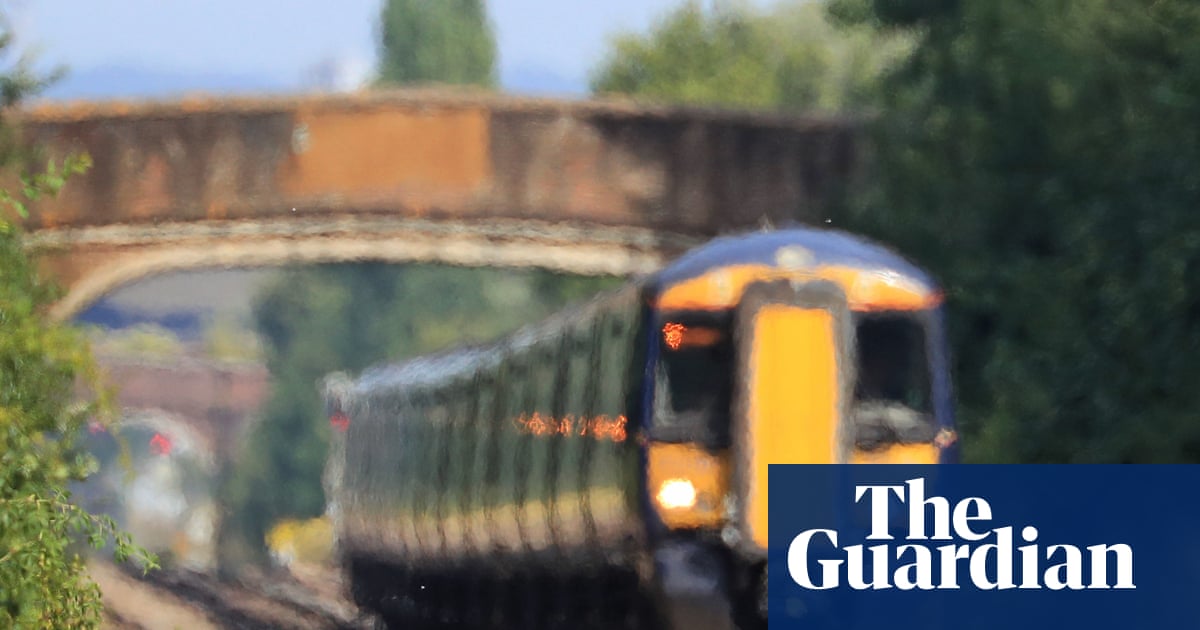
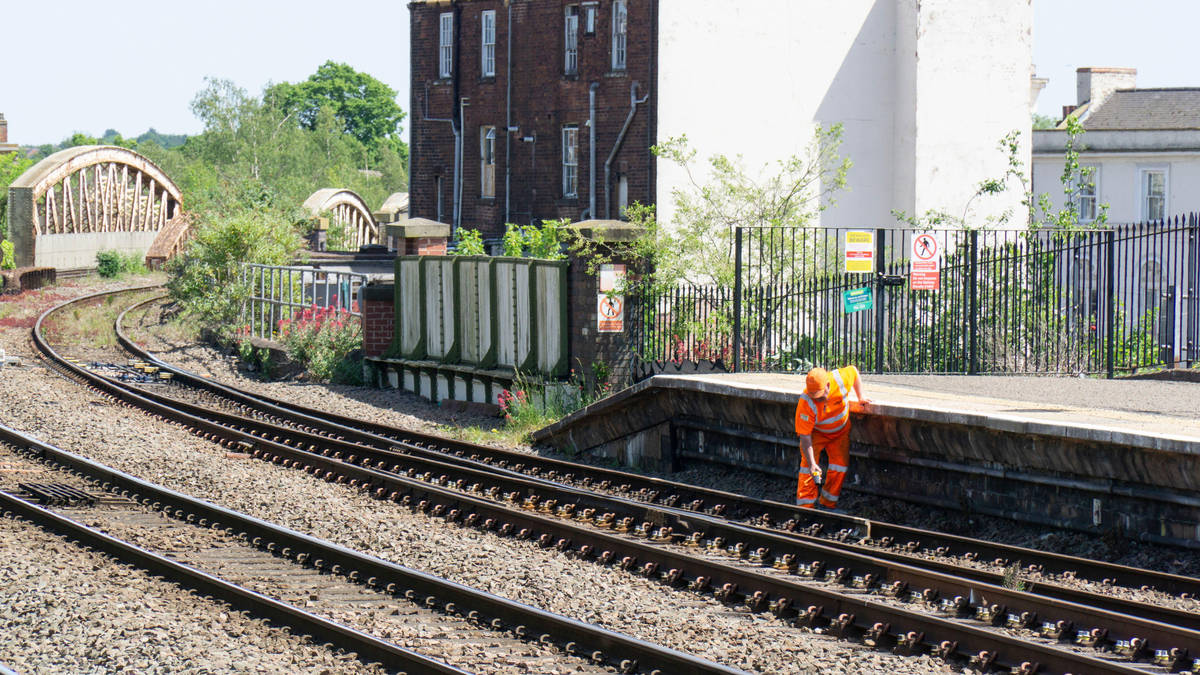
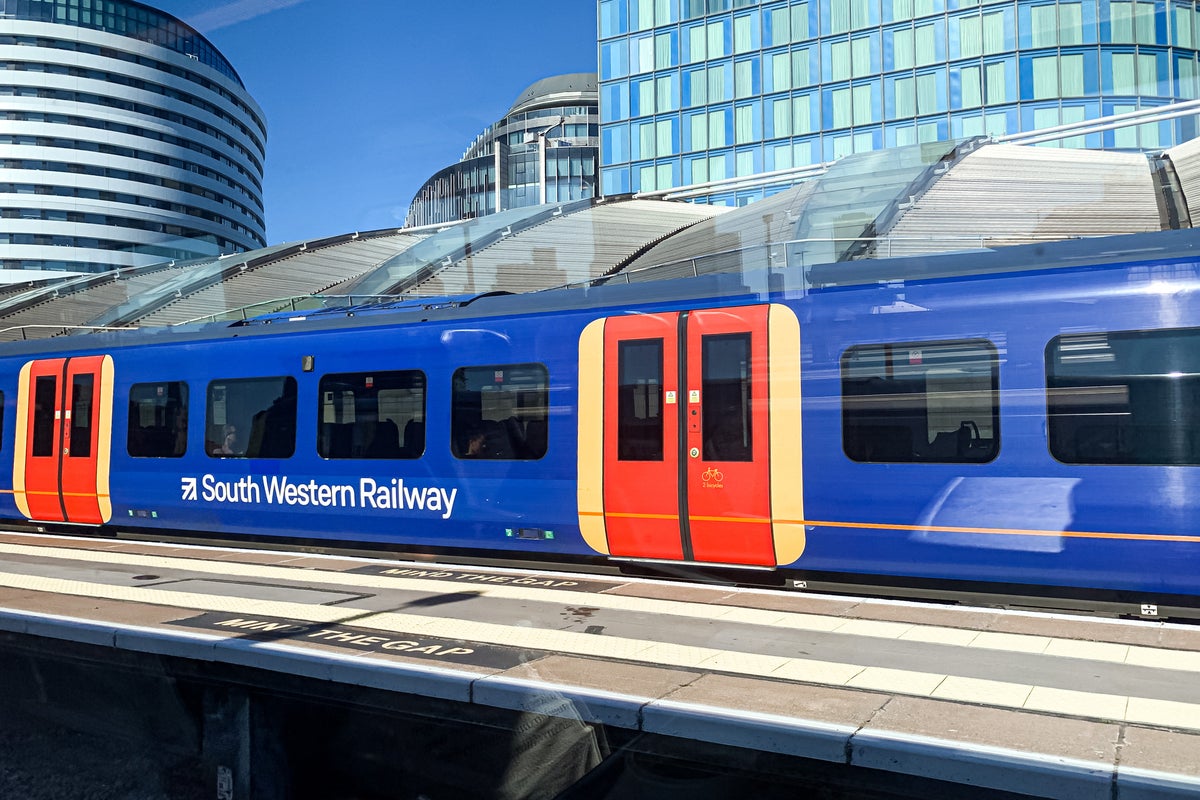
Network Rail has therefore imposed “significant disruption” measures, including blanket speed restrictions on main lines and the cancellation of a large proportion of services on the Chiltern, LNER, Great Northern and South Western Railway networks. The speed limits reduce the forces exerted on warm tracks, keeping them within safe tolerances but also stretching journey times and eroding capacity.
"Extreme heat can have a significant impact on the railway, so safety must come first. We’re asking passengers to check before travelling on Tuesday, and only travel if absolutely essential on Wednesday and Thursday if they are going to, from or within the red warning zone as temperatures are expected to peak."
Jake Kelly, deputy chief executive, Network Rail, via Network Rail Media Centre
Operators such as Chiltern Railways have already cancelled “more than half of its normal timetable” and advised passengers to carry water, wear sunscreen and plan for “very busy conditions”. LNER, Avanti West Coast and Great Western Railway have issued similar “do not travel” alerts, offering fee‑free refunds or the option to use tickets on Friday 26 June.
Geographic spread of the red warning
The Met Office’s red extreme‑heat warning covers an area stretching from London to Swansea, and from Somerset to Birmingham, from 09:00 GMT on Wednesday 24 June to 21:00 GMT on Thursday 25 June.
- London, the Home Counties, South East, and parts of the South West are under the red warning.
- Amber heat alerts apply to the North East, North West and Yorkshire & The Humber.
- Yellow thunderstorm warnings sit over northern England, Scotland and Northern Ireland.
BBC weather forecasters anticipate that “the June temperature record will get absolutely smashed”, with provisional readings of 37.3 °C at Santon Downham and peaks of 35.1 °C in Wales.
Impact on passengers and services
Intercity routes between London and Birmingham, Manchester, Edinburgh and the Midlands are among the worst affected. The Midland mainline is still dealing with a fatal collision at Bedford, further limiting capacity. South Western Railway has warned that services from London Waterloo to Weymouth, Aldershot and Exeter may be revised or terminated early, while Great Northern cannot run between Cambridge and Kings Lynn due to damaged overhead wires.
National Rail Enquiries reports that the Elizabeth line between London Liverpool Street and Stratford is also disrupted. In London, a signalling failure and a brief smoke incident near Vauxhall added to the chaos.
"Hot weather can be tough on vehicles, particularly if they are already carrying a fault, low on coolant or stuck in heavy traffic for long periods. Overheating can escalate quickly, so drivers should not ignore warning lights, rising temperature gauges, steam, unusual smells or any change in how the vehicle feels."
Lee Morley, AA expert patrol, via The Independent
Passengers with tickets for the affected days may travel earlier in the day—when temperatures are lower—or shift journeys to Friday 26 June. Refunds are offered without administration fees, and online journey planners often do not reflect the revised timetables until the day of travel.
Health and safety advice
Red health alerts issued by the UK Health Security Agency cover the East of England, East Midlands, London, South East, South West and West Midlands, while amber alerts cover the north. The NHS urges patients to bring water, avoid heat‑intensive travel where possible and keep appointments flexible.
London’s fire brigade has warned against disposable barbecues in parks, citing fire‑risk concerns, and the Mayor of London has triggered a “high” air‑pollution alert. The army has cancelled ceremonial duties in London and Windsor to protect soldiers.
Travelers should continue to monitor BBC live updates, The Guardian’s rail guidance and the National Rail Enquiries website for the latest announcements.
Long‑term outlook
The heatwave has revived debate about the resilience of Britain’s Victorian‑era rail infrastructure. Industry experts note that existing track designs were calibrated for a narrower temperature range, and recent investments in heat‑resistant rails, remote sensors and cooling solutions are being tested under unprecedented conditions.
For now, the railway’s priority remains safety, with speed restrictions, service reductions and extensive public advisories forming the front line of the response.
How significant is this development?
Contribute your assessment to the aggregated reader sentiment ledger.
Frequently Asked Questions
Key questions answered in this reportWhat is the key development in: Warnings of train delays and cancellations as UK temperatures surpass 37C?
Network Rail has imposed emergency speed restrictions and service cuts across the UK as extreme heat threatens to warp tracks and damage overhead wires.
Why is this Weather development significant for the UK?
This report covers critical events in our Weather beat. Independent reporting monitors related UK statements, regulatory shifts, and public responses as further verified details emerge.
How was this reporting corroborated and verified?
Newsarchy UK compiles and cross-references reporting from primary reporting from thetraveler.org and cross-checked wire reports. All coverage adheres to published editorial standards.
When was this report published?
This briefing was published on July 15, 2026 and is permanently cataloged in the Newsarchy UK Weather archives.


