US resumes naval blockade of Iran as airstrikes intensify
U.S. Central Command has reinstated a naval blockade of Iranian ports following the collapse of a ceasefire. The move signals a major escalation as the U.S. bolsters its maritime presence to secure the Strait of Hormuz.

- Core Development: U.S. Central Command has reinstated a naval blockade of Iranian ports following the collapse of a ceasefire. The move signals a major escalation as the U.S. bolsters its maritime presence to secure the Strait of Hormuz.
- Beat Context: Categorized under World with independent corroboration.
- Reporting Depth: 3 minute analytical read synthesized from verified newsroom sources.
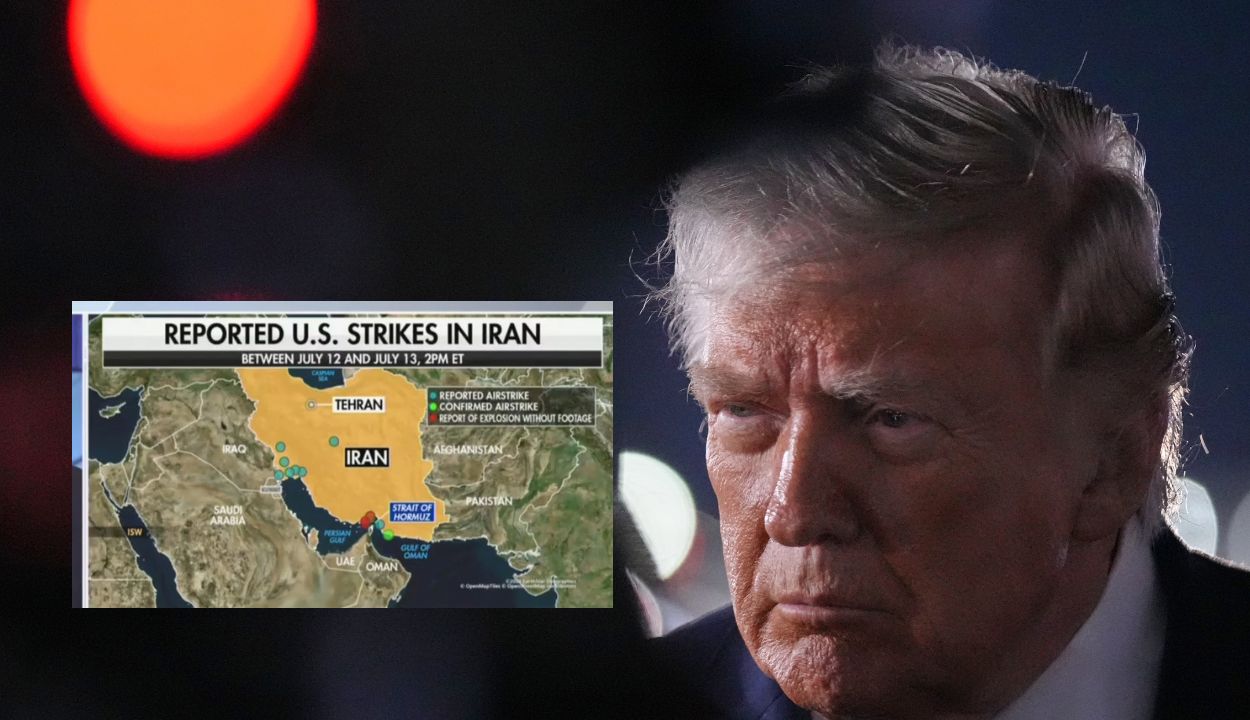
The United States formally resumed a naval blockade of Iranian ports and coastal areas on Tuesday, 14 July 2026, marking a significant escalation in the ongoing conflict that began with U.S. And Israeli operations on 28 February 2026. U.S. Central Command confirmed the blockade took effect at 4 p.m. ET, following a series of military strikes intended to degrade Iranian capabilities used to target commercial shipping in the Strait of Hormuz.
The resumption of maritime restrictions occurred after four consecutive days of U.S. Airstrikes. These military operations, which began as an exchange of fire last week, have effectively dissolved the ceasefire established by a memorandum of understanding signed between the two nations last month. Iranian officials, including deputy foreign minister Kazem Gharibabadi, stated that the U.S. Has rendered that agreement void. Meanwhile, the International Crisis Group observed that the region is shifting from a brief diplomatic window back into an active battlefield.
Media additions
Conflict in the Strait
Hostilities surged across the Persian Gulf as both sides targeted infrastructure and shipping. Iran reportedly launched missile and drone barrages against U.S. Military infrastructure in Bahrain and outposts in Jordan. In addition to targeting commercial tankers, Iranian forces struck a Kuwaiti naval vessel, resulting in four wounded service members. Bahraini authorities reported multiple siren alerts as the country faced aerial attacks, while Jordanian air defenses intercepted four incoming missiles. U.S. Central Command noted that its forces in the region, currently comprising more than 20 warships and hundreds of aircraft, remain vigilant and ready to enforce the blockade.
Policy Reversals and Economic Shifts
The military maneuver followed a period of intense policy fluctuation regarding the Strait of Hormuz. On Monday, 13 July 2026, President Donald Trump announced a proposal to impose a 20 percent cargo fee on vessels using the waterway. By Tuesday, 14 July 2026, the President reversed the decision, stating he had held productive conversations with leadership in Saudi Arabia, the United Arab Emirates, Qatar, Bahrain, and Kuwait. These nations have instead committed to trade and investment deals with the United States. Logistics firms, including Hapag-Lloyd, had previously criticized the proposed toll, arguing that imposing fees in international waters would be fundamentally wrong.
The U.S. Treasury Department concurrently imposed new sanctions on shipping firms and vessels linked to Iranian oil magnate Mohammad Hossein Shamkhani. Treasury Secretary Scott Bessent stated these actions aim to shut down the financial infrastructure supporting the Iranian regime.
Regional and Humanitarian Impact
The renewed hostilities have triggered significant regional concerns. Brent crude prices reached one-month highs as the closure of the strait threatens global energy supply chains. Volker Türk, the United Nations High Commissioner for Human Rights, described the escalation as a huge setback, warning that disruptions to the flow of food and medical supplies carry severe humanitarian consequences. Diplomatic efforts remain strained, with officials from Oman, Qatar, and Pakistan continuing to call for de‑escalation even as direct negotiations between Washington and Tehran are frozen. Iranian Parliament speaker Mohammad Bagher Ghalibaf rejected U.S. Pressure, stating via social media that the era of one‑sided deals is over.
How significant is this development?
Contribute your assessment to the aggregated reader sentiment ledger.
Frequently Asked Questions
Key questions answered in this reportWhat is the key development in: US resumes naval blockade of Iran as airstrikes intensify?
U.S. Central Command has reinstated a naval blockade of Iranian ports following the collapse of a ceasefire. The move signals a major escalation as the U.S. bolsters its maritime presence to secure the Strait of Hormuz.
Why is this World development significant for the UK?
This report covers critical events in our World beat. Independent reporting monitors related UK statements, regulatory shifts, and public responses as further verified details emerge.
How was this reporting corroborated and verified?
Newsarchy UK compiles and cross-references reporting from primary reporting from apnews.com and cross-checked wire reports. All coverage adheres to published editorial standards.
When was this report published?
This briefing was published on July 15, 2026 and is permanently cataloged in the Newsarchy UK World archives.