NHS joint surgery disrupted amid bone cement supply problems
A critical shortage of medical bone cement has forced NHS health services to disrupt planned joint surgeries, compounding existing waiting lists.
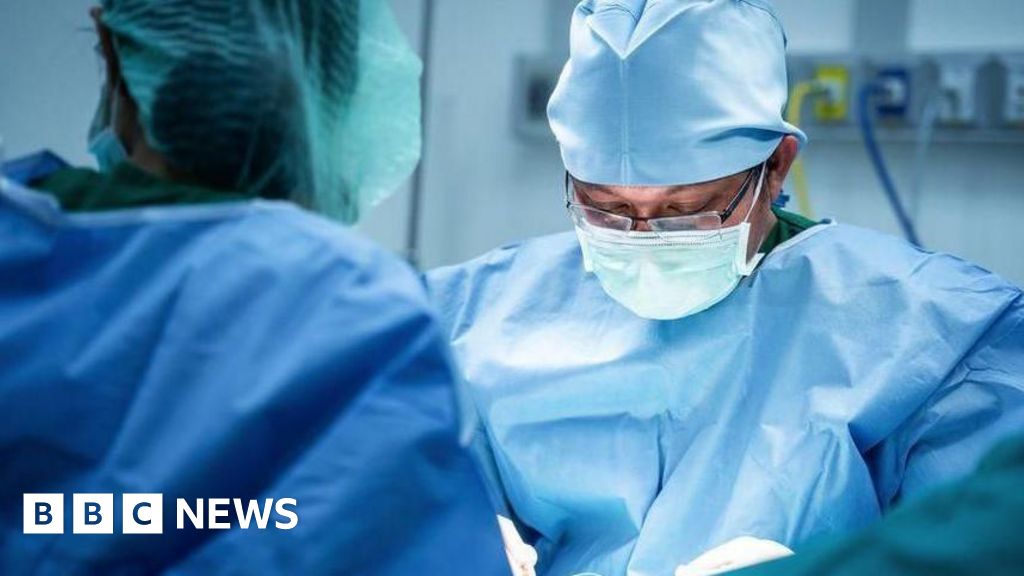
A critical shortage of medical bone cement has forced NHS health services to disrupt planned joint surgeries while compounding existing waiting list crises across the country.
According to BBC reporting, the disruption stems from a production halt at Heraeus Medical, the German manufacturer that supplies approximately three-quarters of the bone cement used within the health service. The company experienced a critical machine failure at its primary manufacturing site while upgrading its production processes, affecting supply chains globally and threatening stock levels for up to two months.
Media additions

The affected medical product is utilised in more than 1,000 operations every week across the health service, predominantly for knee replacements alongside specific hip and shoulder procedures. Current NHS stock levels across hospitals sit at roughly two weeks. In response to the supply crunch, NHS England has issued immediate guidance instructing hospitals to prioritise emergency patients, such as older individuals who have suffered falls and those with broken hips, ahead of elective procedures.
Fergal Monsell of the British Orthopaedic Association stated that his organisation is collaborating with health service leaders to mitigate the impact on patients. He noted that hospitals are likely to redirect surgeons and operating theatres toward alternative procedures that do not rely on bone cement. Meanwhile, officials are attempting to source additional stock from four alternative manufacturers.
Deborah Alsina, chief executive of Arthritis UK, described the situation as a crushing blow for patients who have reached the front of orthopaedic queues. She urged hospitals to communicate swiftly with affected individuals to reduce uncertainty, noting the high stakes for the government in meeting ambitious waiting list reduction targets. Patients have generally been advised to assume their appointments will proceed unless notified otherwise.
The manufacturing disruption lands on top of already severe delays across musculoskeletal services. Data published by Daily Record details that orthopaedics maintains the largest inpatient waiting list in Scotland, where tens of thousands of people await knee and hip replacements. Thousands of patients in that region alone face delays of a year or longer, while hundreds wait past the two-year mark.
| Metric / Region | Reported Figure | Context |
|---|---|---|
| England Waiting List | 850,000 patients | Largest of any specialty requiring planned joint treatment |
| Scotland Inpatient Backlog | 41,000+ people | Waiting for treatments including knee and hip replacements |
| Long Waits (Scotland) | 4,200+ people | Facing delays of a year or more for surgery |
| Extended Delays (Scotland) | 375 people | Waiting more than two years for orthopaedic treatment |
Individual accounts highlight the severe toll of these delays. Katherine McMillan, a patient from West Lothian, experienced an extensive wait for an ankle replacement following a fall, during which her joint deteriorated to the point of collapse. By the time she was seen, surgeons determined a full replacement was no longer viable, performing an infusion instead that left her heavily restricted and reliant on others.
"I feel my life is on hold," she told the Daily Record, explaining how the situation forced her to leave her career as a carer for elderly people and left her socially isolated. Another patient, retired nurse Ken Brown from Stirling, described waiting decades for a proper osteoarthritis diagnosis after first experiencing hip pain in his youth, a delay that ultimately forced him into early retirement.
Alan McGinley, policy manager in Scotland for Arthritis UK — who himself faces a fourteen-month wait for a knee replacement — noted that musculoskeletal conditions affect millions and argued that the current system is failing to cope. The Scottish Government has pledged that no patient will wait longer than twenty-six weeks for treatment, while charity campaigners continue to push for a dedicated national action plan to address orthopaedic backlogs.
What to watch next
- Hospitals running through their remaining two-week stock of bone cement while awaiting alternate supplies from secondary manufacturers.
- Global updates from Heraeus Medical regarding the repair and resumption of production at its primary manufacturing site.
- Further clinical guidance from NHS England and the British Orthopaedic Association regarding rescheduled elective procedures.
For more background, explore our dedicated NHS coverage.