Saudi Arabia says the Yemen war could end 'tomorrow' if Houthis accept plan
Saudi Arabia has declared that the devastating Yemen conflict could end immediately if Houthi insurgents accept an internationally brokered diplomatic roadmap.
Saudi Arabia declared that the devastating multi-year conflict in Yemen could cease immediately if insurgent forces accept an internationally brokered diplomatic roadmap, even as intense aerial bombardments and frontline advances continue across the region.
The stark assessment was delivered by Major General Turki al-Maliki, official spokesperson for the coalition supporting the legitimate government in Yemen. Speaking in a detailed interview, Maliki emphasized that while a political settlement remains the ultimate objective, military pressure will remain unabated until the Iran-aligned faction returns to the negotiating table.
Media additions



"The best solution is the political solution. But we have to support the Yemeni government to achieve their objective."
Major General Turki al-Maliki, coalition spokesperson, via Reuters
Maliki asserted that the war can end … tomorrow
if the Houthi movement decides to proceed with the United Nations-backed roadmap alongside the internationally recognized government. Until such an agreement is reached, however, the coalition is committed to maintaining continuous, round-the-clock close air support for allied ground forces.
The diplomatic overture coincides with a dangerous escalation in hostilities. Houthi fighters have pressed forward, advancing to within approximately sixty kilometres of Aden, the interim capital of the Yemeni government. In response, Riyadh has drawn an explicit red line
around the coastal hub, vowing to deploy whatever it takes
to protect the strategic port city from falling.
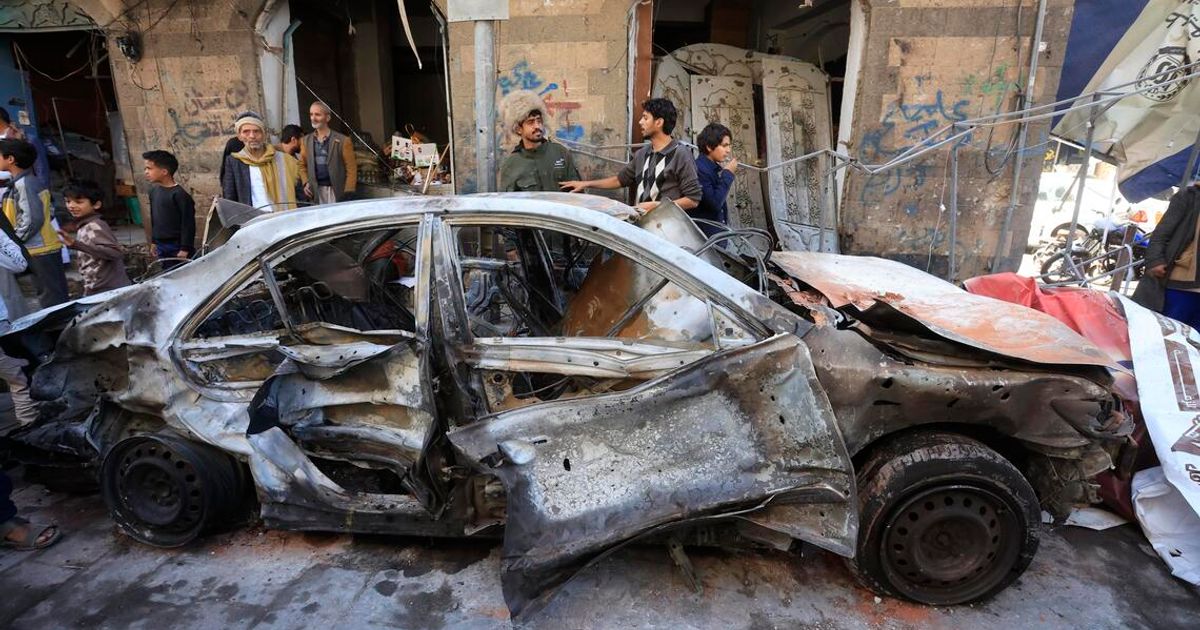
This renewed push follows the collapse earlier this year of a 2022 ceasefire that had largely held. The breakdown has transformed Yemen back into the most volatile front of a broader regional confrontation. According to figures compiled by the World Health Organization and cited by Internazionale, the renewed fighting has claimed more than 2,300 deaths on the front
since early August, displacing hundreds of thousands of civilians and worsening an already severe humanitarian crisis.
The conflict has also directly imperilled the kingdom's domestic security and economic ambitions. Saudi Arabia faces persistent weekly cross-border strikes, including assaults targeting office towers in Riyadh, the sovereign wealth fund headquarters, and critical energy and aviation infrastructure such as King Khalid International Airport. These attacks, alongside Houthi-led disruptions of international maritime traffic in the Red Sea, directly threaten the kingdom's long-term economic diversification strategy and preparations to host major global gatherings like World Expo 2030.
Tensions reached a new height when Houthi forces threatened retaliatory strikes against Saudi Red Sea ports, including Jeddah. The warning followed a coalition operation in western Yemen that targeted Ras Isa, the primary fuel import terminal in Hodeidah province. Houthi-run Al Masirah TV reported the strike shortly after the coalition issued evacuation warnings to civilians in the area. In light of the escalating maritime threats, Hum News English reported that the insurgent group publicly urged shipping companies to immediately pull their vessels from Saudi ports.
| Strategic Indicator | Reported Status | Primary Source / Attribution |
|---|---|---|
| Yemeni Frontline Casualties | More than 2,300 deaths reported since early August escalation | World Health Organization via ABC News |
| Houthi Proximity to Aden | Advancing to within approximately 60 kilometres of the interim capital | Major General Turki al-Maliki via Reuters |
| Air Defence Interception Rate | Exceeding 92% effectiveness by October | Gulf Research Center via multiple reports |
| Ground Troop Deployment | Saudi ground forces excluded from active offensive operations in Yemen | Major General Turki al-Maliki |
Despite the severity of the cross-border drone and missile barrages, Maliki firmly rejected reports suggesting that the kingdom's military is suffering from a depletion of air defence interceptor stockpiles. We are buying our weapons. It goes through government-to-government agreement, and we don't have a shortage,
he stated, adding that data from the Riyadh-based Gulf Research Center placed the Saudi interception rate above 92 percent by October.
Maliki also dismissed the characterization of the Houthi campaign as a conventional military effort, instead labelling their actions as indiscriminate acts of terrorism against civilian and economic targets. He acknowledged, however, that allied Yemeni forces have experienced tactical setbacks, noting that government officials admitted to battlefield coordination gaps
occurring twice over the past three months. To counteract this, coalition handlers are actively working with local commanders to rectify minor tactical errors.
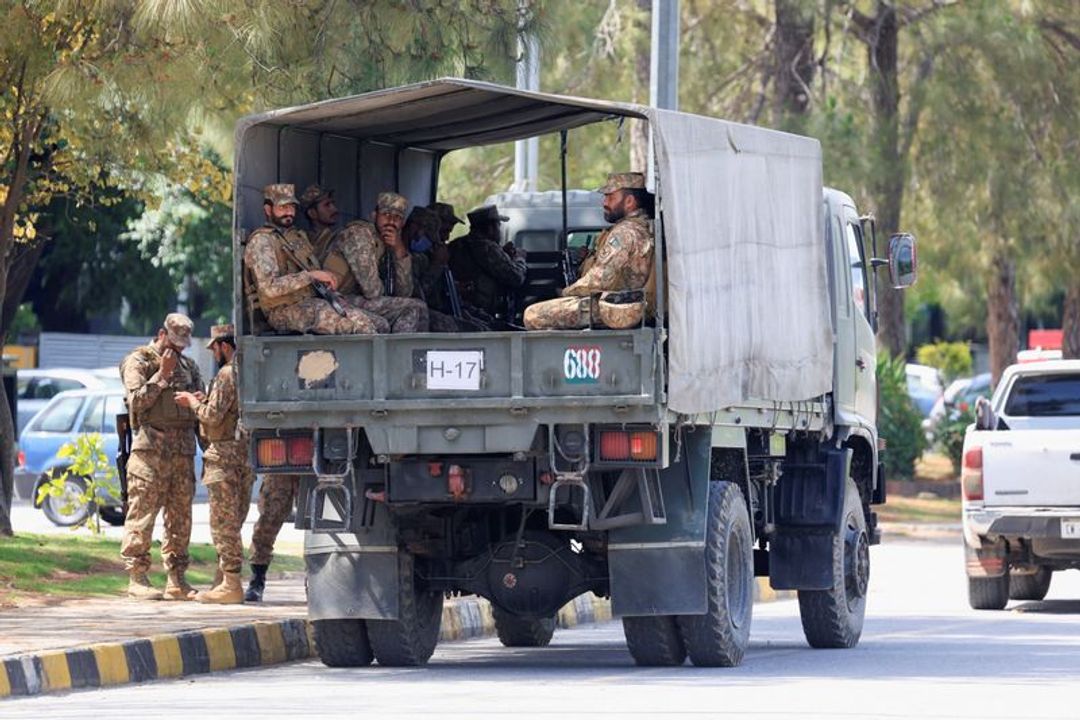
Addressing suggestions that the kingdom might introduce ground troops to reverse recent territorial losses — such as a strategic pullback from positions near the Bab al-Mandeb strait — Maliki ruled out any external ground invasion. He insisted that indigenous Yemeni military units possess adequate manpower, tribal backing, and capability to hold the line, with Saudi forces remaining stationed along the southern border to deter incursions.
What to Watch Next
- Monitor whether Houthi leadership formally responds to the United Nations-backed roadmap or proceeds with threatened strikes against Red Sea commercial ports.
- Observe frontline developments around Aden and Taiz as coalition air support attempts to halt Houthi territorial gains.
- Track potential diplomatic interventions by international mediators seeking to bridge the gap between Houthi demands, including the lifting of port restrictions and financial compensation, and the coalition's security conditions.