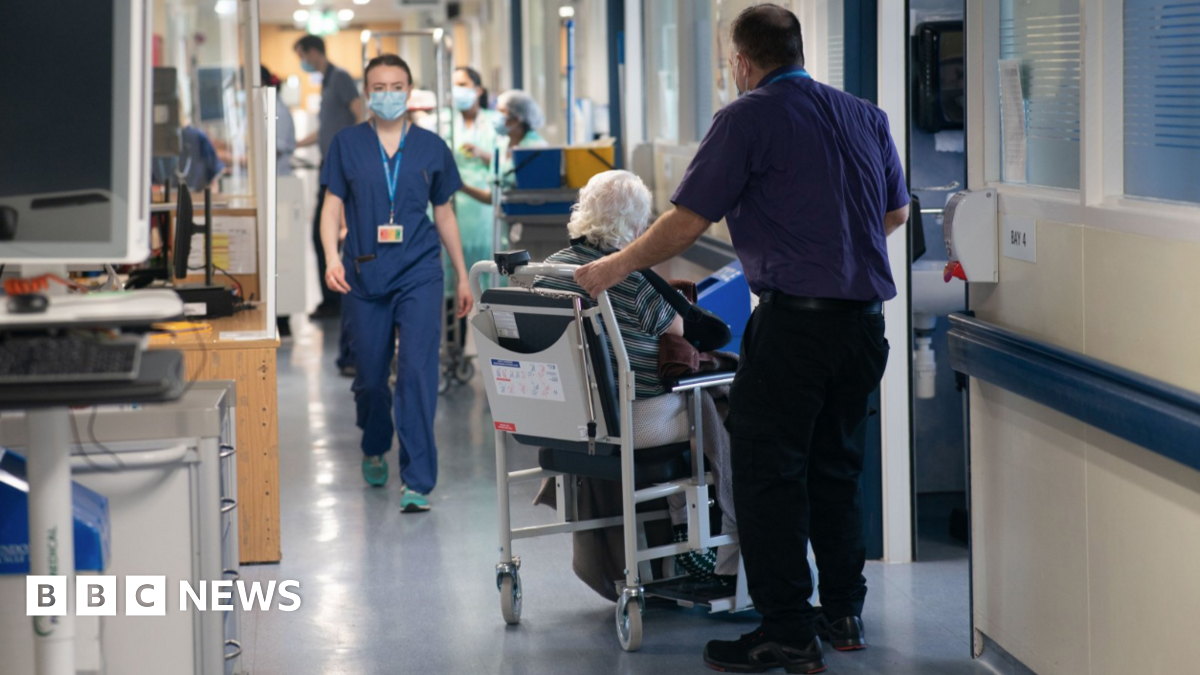
NHS rolls out ANRP technique to double usable livers and save hundreds
Assessment and Recovery Centres are using oxygenated blood to preserve organs before transplant, aiming to add 750 life-saving transplants annually. This rollout addresses current organ waste caused by damage from interrupted blood flow.

- Core Development: Assessment and Recovery Centres are using oxygenated blood to preserve organs before transplant, aiming to add 750 life-saving transplants annually. This rollout addresses current organ waste caused by damage from interrupted blood flow.
- Beat Context: Categorized under NHS with independent corroboration.
- Reporting Depth: 3 minute analytical read synthesized from verified newsroom sources.
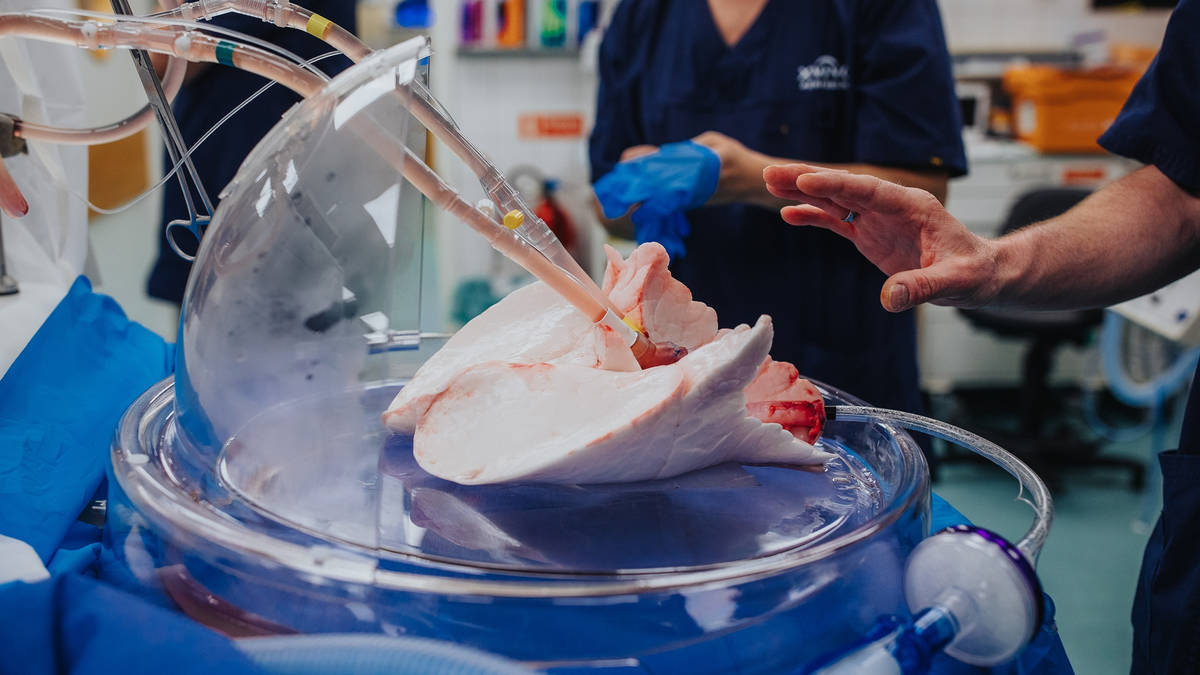
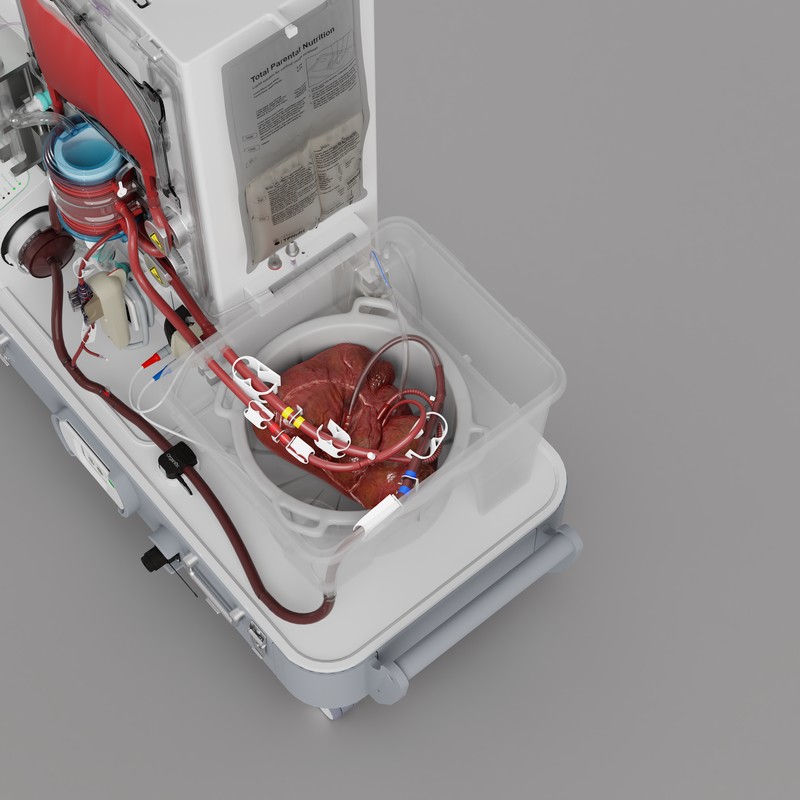
In the pilot phase, surgeons at Addenbrooke’s Hospital in Cambridge and the Royal Infirmary of Edinburgh opened the abdomen of donors after circulatory death, flushed the liver, kidney and pancreas with oxygenated blood and nutrients, and then removed the organs for storage. The process lets the organs “recover from damage while it is still in the donor’s body”, according to the Mirror. Doctors can also run functional tests before the organs are taken to the operating theatre.
The approval arrived just as the NHS transplant waiting list reached a record high, with “over 8,000 people” listed for kidneys, livers and other organs.
Media additions

Why ANRP matters now
Traditional cold‑storage preservation stops blood flow immediately after death, leaving the organ vulnerable to ischaemic injury. In England alone, 727 livers were donated after circulatory death between April 2024 and March 2025, yet only 309 were transplanted; the rest were deemed unsuitable, largely because of damage caused by interrupted blood flow.
By keeping the liver perfused at normal body temperature, ANRP not only reduces that damage but also provides clinicians with a “window of up to 12 to 24 hours” to assess viability, according to a series of statements from NHS Blood and Transplant (NHSBT) officials reported by the Independent and repeated in LBC.
Projected impact across organ types
| Organ | Potential extra transplants per year |
|---|---|
| Liver | 202 |
| Lung | 202 |
| Kidney | 345 |
| All organs combined | 750 |
These figures appear in all of the pilot reports—from the Nhsbt announcement, the Imperial College press release, and the Magzter coverage. The consistency across sources suggests a consensus that a full‑scale roll‑out could add roughly 750 life‑saving transplants annually, a 19 % rise on current activity.
From pilots to a national network
The rollout is built on the “Assessment and Recovery Centres” (ARCs) model. NHSBT has opened the first of 15 pilot ARC sites, starting with a lung centre at Royal Papworth Hospital in Cambridge. Additional lung pilots at the Freeman Hospital in Newcastle and Harefield Hospital in London are slated to follow, while 12 liver and kidney ARC sites will be added over the next months, including a new kidney ARC at Hammersmith Hospital in May 2026 (Imperial).
Derek Manas, medical director for organ and tissue donation at Nhsbt, told the Press Association that the aim is to create “centres of excellence” that standardise perfusion practice and eliminate the current inequity where only some patients benefit from advanced preservation technology.
“It’s hugely inequitable at the moment, because some patients are getting the benefit and others are not. The pilot will hopefully change that.”
Derek Manas, medical director, NHSBT, via the Press Association
Anthony Clarkson, NHSBT director of organ and tissue donation and transplantation, echoed the urgency: “Survival on the transplant waitlist is a daily struggle, and hundreds of patients will die this year before they can receive a life‑saving transplant.”
Expert and patient voices
Vanessa Hebditch, director at the British Liver Trust, called the development “encouraging” and highlighted the human cost of delayed transplants: “Too many people with advanced liver disease spend months living with uncertainty while waiting for a suitable donor liver, and sadly every year people die whilst waiting for a life‑saving transplant.”
Jim Kilpatrick, a liver‑transplant recipient and chair of the Royal Victoria Hospital Liver Support Group, described the personal impact: “Knowing that there is another opportunity for a liver which might previously have been deemed unusable is a huge step forward.”
Funding and policy backdrop
All four UK governments have pledged funding for the ARC pilot, a fact highlighted in the NHSBT release. The Department of Health and Social Care’s Organ Utilisation Group first recommended the ARC model, and the programme now aligns with the broader “NHS fit for the future” agenda championed by health innovation minister Dr Zubir Ahmed.
“We are committed to funding this crucial programme because, as part of our plans to build an NHS fit for the future, we want to use the latest technology to give clinicians more time and better tools to assess organs safely.”
Dr Zubir Ahmed, health innovation and safety minister, via the Independent
Timeline of key milestones
How significant is this development?
Contribute your assessment to the aggregated reader sentiment ledger.
Frequently Asked Questions
Key questions answered in this reportWhat is the key development in: NHS rolls out ANRP technique to double usable livers and save hundreds?
Assessment and Recovery Centres are using oxygenated blood to preserve organs before transplant, aiming to add 750 life-saving transplants annually. This rollout addresses current organ waste caused by damage from interrupted blood flow.
Why is this NHS development significant for the UK?
This report covers critical events in our NHS beat. Independent reporting monitors related UK statements, regulatory shifts, and public responses as further verified details emerge.
How was this reporting corroborated and verified?
Newsarchy UK compiles and cross-references reporting from primary reporting from mirror.co.uk and cross-checked wire reports. All coverage adheres to published editorial standards.
When was this report published?
This briefing was published on July 8, 2026 and is permanently cataloged in the Newsarchy UK NHS archives.