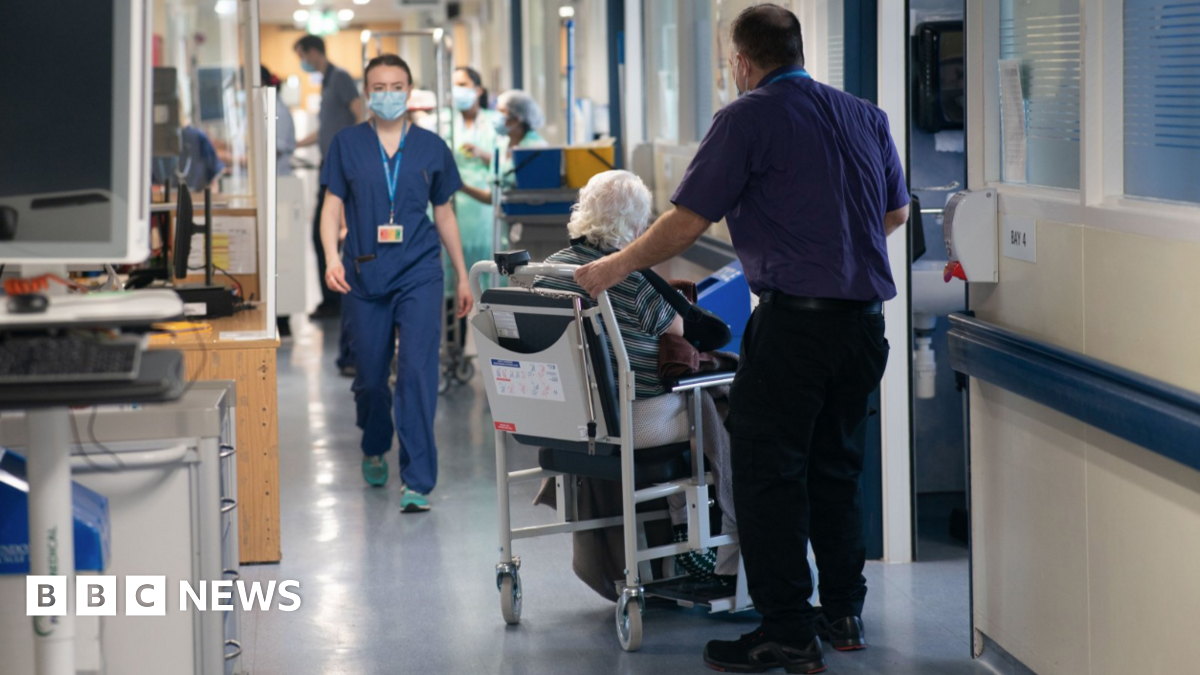
NHS routine treatment waiting list falls for sixth consecutive month
New data shows a decline in the NHS routine treatment backlog for the sixth consecutive month, alongside mixed results for emergency care and cancer targets.
- Core Development: New data shows a decline in the NHS routine treatment backlog for the sixth consecutive month, alongside mixed results for emergency care and cancer targets.
- Beat Context: Categorized under NHS with independent corroboration.
- Reporting Depth: 3 minute analytical read synthesized from verified newsroom sources.
The NHS routine treatment waiting list in England has declined for the sixth consecutive month, according to the latest performance data. At the end of February, an estimated 7.40 million treatments were pending across 6.24 million patients. This reflects a continued downward trend from the record high of 7.77 million treatments and 6.50 million patients recorded in September 2023.
The reduction in the backlog coincides with broader shifts in hospital performance metrics. Figures for February show 1,691 patients had been waiting more than 18 months for routine treatment, a decrease from 2,005 in January. Additionally, the number of patients waiting more than 52 weeks fell to 193,516 in February, the lowest figure since November 2020. Government and NHS England officials aim to reduce the proportion of patients waiting more than a year to less than 1% by March 2026.
Media additions
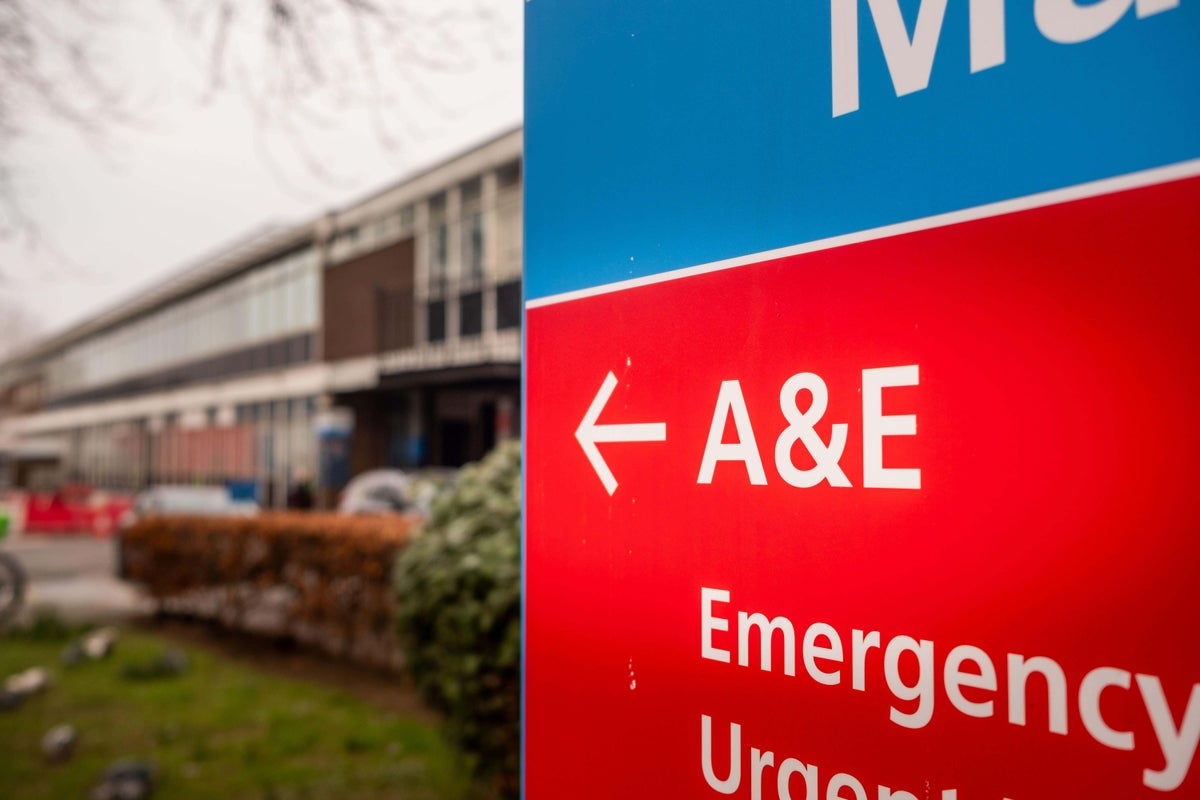


A&E and Ambulance Performance
Emergency care metrics showed mixed results. The number of patients waiting more than 12 hours in A&E from a decision to admit to actual admission stood at 46,766 in March, a slight decrease from 47,623 in February. However, the number of patients waiting at least four hours for admission rose to 133,957 in March. Across all A&E attendances, 75.0% of patients were admitted, discharged, or transferred within four hours, an improvement from 73.4% in February. The target for this metric is 78% by March 2026.
Ambulance response times for the most urgent incidents—defined as life-threatening illnesses or injuries—averaged seven minutes and 52 seconds in March. While this is an improvement from eight minutes and four seconds in February, it remains above the target standard of seven minutes. For emergency calls involving conditions such as strokes or heart attacks, average response times reached 28 minutes and 34 seconds, performing better than the government target of an average of 30 minutes for the 2025/26 period.
Cancer Referrals and Diagnostics
Data regarding cancer care presents a complex picture. In February, 80.2% of patients urgently referred for suspected cancer received a diagnosis or were ruled out within 28 days, the highest percentage since the measure was introduced in April 2021. Meanwhile, the proportion of patients receiving their first definitive treatment within 62 days of an urgent referral or consultant upgrade was 67.0% in February, down slightly from 67.3% in January. The government has set a target of 75% for this measure by March 2026.
Diagnostic testing backlogs have also shifted. Approximately 291,346 patients were waiting longer than six weeks for one of 15 standard tests in February. This represents 17.5% of the total, the lowest monthly figure since March 2020.
Operational Challenges
internal initiatives are addressing hospital culture. An interim evaluation of "Martha's Rule," an escalation process allowing patients and families to request an urgent clinical review if they observe deterioration, revealed that over 12,000 calls were made in the first 18 months. Notably, almost one in 10 of these calls were made by NHS staff themselves to challenge colleagues, highlighting concerns regarding clinical hierarchy and communication.
What to Watch Next
The health service continues to work toward a series of government-mandated targets set for March 2026. Ongoing monitoring will focus on several critical areas:
- Waiting Times: The goal to reduce 52-week waits to under 1% and improve cancer diagnosis performance to 80%.
- A&E Efficiency: Efforts to reach the 78% target for four-hour A&E waits.
- Ambulance Standards: Continued attempts to bring the most urgent response times closer to the seven-minute standard.
How significant is this development?
Contribute your assessment to the aggregated reader sentiment ledger.
Frequently Asked Questions
Key questions answered in this reportWhat is the key development in: NHS routine treatment waiting list falls for sixth consecutive month?
New data shows a decline in the NHS routine treatment backlog for the sixth consecutive month, alongside mixed results for emergency care and cancer targets.
Why is this NHS development significant for the UK?
This report covers critical events in our NHS beat. Independent reporting monitors related UK statements, regulatory shifts, and public responses as further verified details emerge.
How was this reporting corroborated and verified?
Newsarchy UK compiles and cross-references reporting from primary reporting from the-gazette.co.uk and cross-checked wire reports. All coverage adheres to published editorial standards.
When was this report published?
This briefing was published on July 8, 2026 and is permanently cataloged in the Newsarchy UK NHS archives.