IFS report finds Welsh health and education services lag behind England
An IFS analysis shows Welsh health and education services underperform compared to pre-pandemic levels and English counterparts despite higher spending. The findings come ahead of the 7 May 2026 Senedd election, as experts point to potential issues with policy design and service delivery.

- Core Development: An IFS analysis shows Welsh health and education services underperform compared to pre-pandemic levels and English counterparts despite higher spending. The findings come ahead of the 7 May 2026 Senedd election, as experts point to potential issues with policy design and service delivery.
- Beat Context: Categorized under NHS with independent corroboration.
- Reporting Depth: 3 minute analytical read synthesized from verified newsroom sources.
Health and education services in Wales are performing at levels substantially poorer than those seen prior to the Covid-19 pandemic and remain behind comparable services in England, according to an assessment published on 10 March 2026. The 55-page analysis by the Institute for Fiscal Studies (IFS) suggests that this underperformance persists despite significant funding increases.
The report calculates that health spending per person in Wales has risen by 17% in real terms since 2019–20, while spending per school pupil has increased by 14% over the same period. Researchers found that combined spending per person on health and schools in Wales currently exceeds that of every English region except Greater London. Consequently, the IFS concluded that a lack of funding does not appear to be the primary driver of current service gaps.
Media additions



Healthcare and Education Metrics
The assessment highlights specific challenges across both sectors:
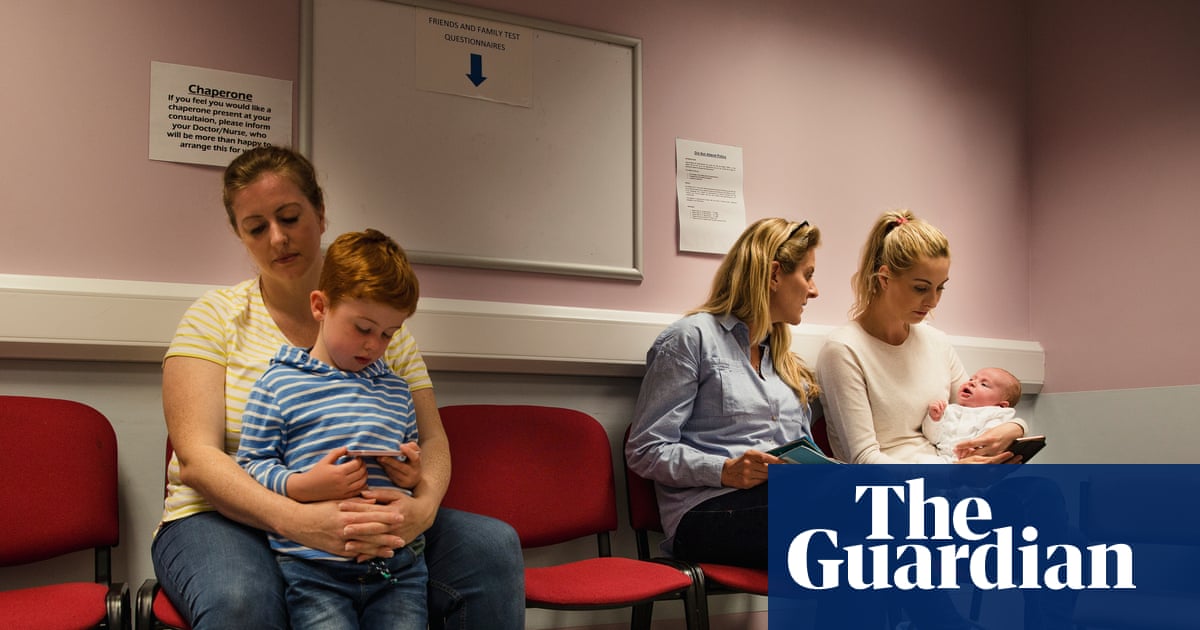
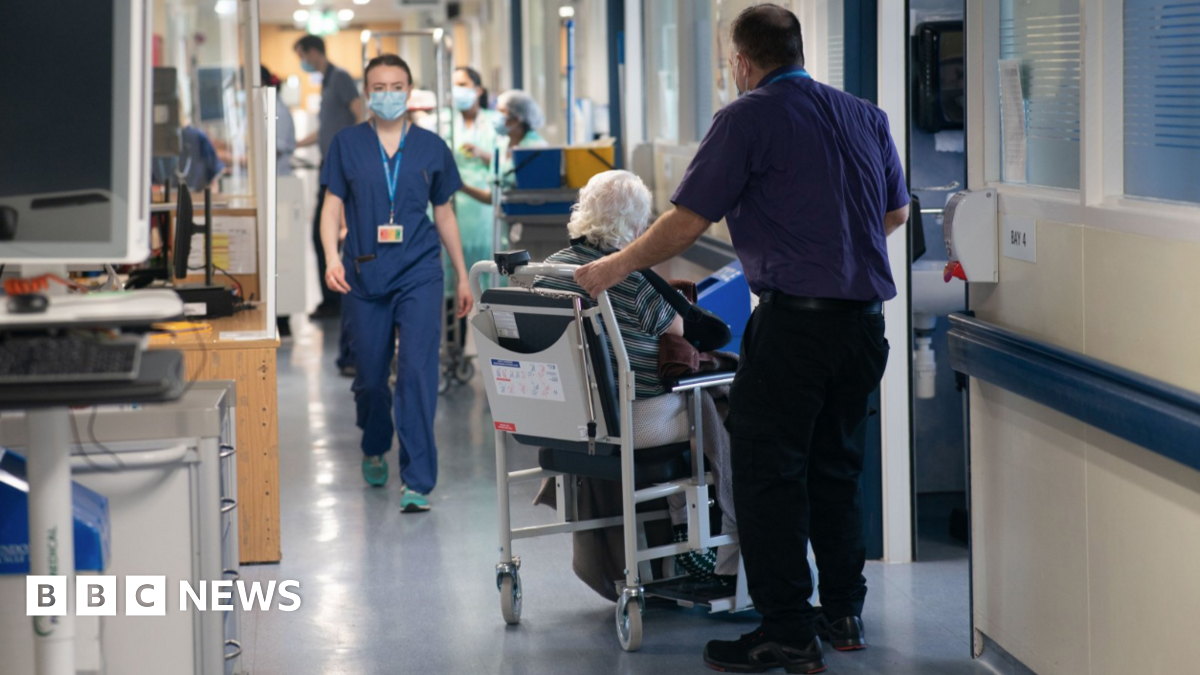
- Healthcare: Median waiting times for pre-planned treatment were 19 weeks as of December 2025, which is nearly double the pre-pandemic level of 10.7 weeks and higher than the 13.4-week average recorded in England. Additionally, 53% of A&E patients were seen within four hours in December 2025, falling short of the 95% target. Average hospital stays in Wales are also 40% longer than in England, a factor the IFS identifies as a constraint on patient throughput.
- Education: Daily school absences have risen from less than 6% in 2019 to 9%. Persistent absenteeism, defined as missing more than 10% of sessions, has more than doubled from 15% to 34% over the same period. performance in international PISA tests has declined more sharply in Wales than in England, and the share of 16- and 17-year-olds remaining in full-time education has fallen from 78% in 2014 to 64% in 2024.
Future Outlook and Accountability
The IFS warned that the next administration, taking office after the 7 May 2026 Senedd election, faces a difficult financial outlook due to a projected slowdown in funding growth. The report characterizes health spending plans for the 2026–27 fiscal year as unrealistic. Experts noted that without funding top-ups from the UK government—specifically those confirmed in the 2026 Spring Statement—the incoming government would have likely faced an emergency budget involving service cuts to maintain healthcare spending.
David Phillips, head of devolved and local government finance at the IFS, stated that the reasons for the discrepancy in outcomes remain not fully clear. However, he suggested that policy design and service delivery methods are likely factors. Phillips pointed to weaker accountability in schools and operational inefficiencies in hospitals as areas requiring investigation.
Political Reaction
The findings have become a focal point ahead of the upcoming election. Representatives from the Welsh Conservatives have criticized the government for what they describe as a decline in standards, while Plaid Cymru’s Mabon ap Gwynfor stated that the report confirms existing concerns regarding the adequacy of public services.
The Welsh Government has defended its record, citing the unique demographic pressures of an older, more rural population and the lingering effects of the pandemic. A spokesperson emphasized that the NHS is employing record numbers of staff and highlighted improvements in GCSE and A-level attainment since 2024. The government stated it is working with health boards to address wait times and ambulance handover delays.
Laura Doel, national secretary of the National Association of Headteachers (NAHT) Cymru, expressed caution regarding the report’s comparisons, arguing that PISA data can be simplistic. She added that school leaders remain eager to understand where the reported increases in education funding have been allocated, suggesting that these funds have not reached the frontline.
| Date | Key Event |
|---|---|
| 19 March 2026 | The Welsh Government is scheduled to release new, granular NHS performance data for Local Health Boards. |
| 7 May 2026 | The Senedd election, where public service performance is expected to be a primary campaign issue. |
How significant is this development?
Contribute your assessment to the aggregated reader sentiment ledger.
Frequently Asked Questions
Key questions answered in this reportWhat is the key development in: IFS report finds Welsh health and education services lag behind England?
An IFS analysis shows Welsh health and education services underperform compared to pre-pandemic levels and English counterparts despite higher spending. The findings come ahead of the 7 May 2026 Senedd election, as experts point to potential issues with policy design and service delivery.
Why is this NHS development significant for the UK?
This report covers critical events in our NHS beat. Independent reporting monitors related UK statements, regulatory shifts, and public responses as further verified details emerge.
How was this reporting corroborated and verified?
Newsarchy UK compiles and cross-references reporting from primary reporting from nation.cymru and cross-checked wire reports. All coverage adheres to published editorial standards.
When was this report published?
This briefing was published on July 8, 2026 and is permanently cataloged in the Newsarchy UK NHS archives.