Dmitry Medvedev attends Ayatollah Khamenei's funeral in Tehran
Russia’s deputy chairman of the Security Council joined international leaders in Tehran to mourn the late Iranian Supreme Leader amid a week-long U.S. pause.

- Core Development: Russia’s deputy chairman of the Security Council joined international leaders in Tehran to mourn the late Iranian Supreme Leader amid a week-long U.S. pause.
- Beat Context: Categorized under World with independent corroboration.
- Reporting Depth: 4 minute analytical read synthesized from verified newsroom sources.
Russia’s deputy chairman of the Security Council, Dmitry Medvedev travelled to Tehran on Friday to join the days‑long mourning for Iran’s slain Supreme Leader, Ayatollah Ali Khamenei. His presence comes as the United States has agreed to pause peace talks with Tehran for a week, raising fresh questions about Moscow’s role in the regional power balance.
Medvedev posted a condolence message on X, saying he extended “our deepest condolences over the martyrdom of Iran’s Supreme Leader, Grand Ayatollah Seyyed Ali Khamenei” and added that Russia mourns “this immeasurable loss alongside the Iranian people.” The post was accompanied by video of Medvedev meeting Iranian officials inside the funeral complex.
Media additions
"On behalf of the leadership and people of Russia, I extend our deepest condolences over the martyrdom of Iran's Supreme Leader, Grand Ayatollah Seyyed Ali Khamenei," Medvedev wrote.
Dmitry Medvedev, deputy chairman of Russia's Security Council, via Fox News
In recent years, Moscow and Tehran have deepened cooperation on military, economic and regional fronts, a trend highlighted in the Fox News report.
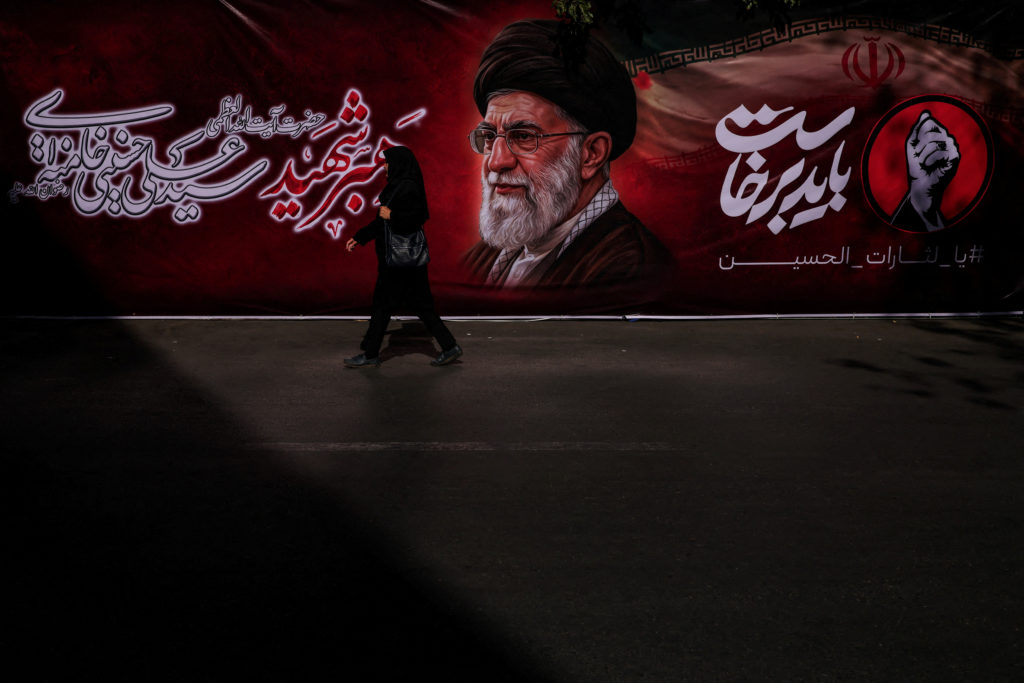
Iran’s own state media painted a picture of a nation rallying around the late leader. Banners draped across Tehran called on citizens to “rise,” while the flag‑draped coffin of the 86‑year‑old cleric lay in the Grand Mosalla alongside the coffins of his son‑in‑law, eldest daughter, a 14‑month‑old granddaughter and the wife of the new Supreme Leader, Ayatollah Mojtaba Khamenei.
Images released by the Supreme Leader’s office showed Revolutionary Guard General Ahmad Vahidi sitting beside Khamenei’s casket. Vahidi, who had been absent from public view since early February, emerged for the first time in months, offering a hard‑line message on state television that the “pure blood of our martyred imam will mark another turning point in the victories of beloved Islam across the global arena.”
"They must know that the pure blood of our martyred imam will mark another turning point in the victories of beloved Islam across the global arena," Vahidi told state television.
General Ahmad Vahidi, via NPR
Iran’s civilian leadership also attended. Parliament speaker Mohammad Bagher Qalibaf, Foreign Minister Abbas Araghchi and President Masoud Pezeshkian were photographed walking up to the coffin as a military band played. Volunteer organizer Mohammad Hossein Rezaei, speaking to reporters, reiterated the regime’s resolve to “continue the same ‘no to humiliation’ policy.”
"As long as these people, who are chosen (by God), are on the field, we will definitely continue the same 'no to humiliation' policy that was founded by the Islamic Republic," Rezaei said.
Mohammad Hossein Rezaei, volunteer, via NPR
The funeral is not only a domestic spectacle. Diplomats from Pakistan, China and Russia, including Medvedev, gathered in Tehran, signalling a united front as Iran seeks leverage over the Strait of Hormuz in its negotiations with the United States.
Meanwhile, the United States announced a temporary halt to its ongoing diplomatic talks with Tehran, a move that coincides with the funeral schedule and could affect the timing of any cease‑fire agreement. The pause, described by officials as a “week‑long break,” was reported alongside the funeral preparations in the Fox News live‑news feed.
Iranian state television broadcast a Thursday night mourning ceremony where black‑clad relatives of war victims threw scarves over the coffin in a traditional blessing gesture. A later segment showed the coffin draped with a red flag bearing the white calligraphy “Ya Hussein,” a Shiite reference to the martyrdom of the Prophet’s grandson, symbolising both bloodshed and a vow of retaliation.
On the ground, ordinary Tehran residents expressed a mixture of grief and defiance. Taxi driver Jafar Javadi told reporters the leader’s clenched fist on banners represented “all our fists” and proclaimed that “the enemies will be destroyed with these fists.”
The funeral rituals are set to span several days. A public viewing of the casket is scheduled for Saturday, followed by a procession through Tehran on Monday, and a final burial in Khamenei’s hometown of Mashhad next week. The events will be accompanied by shutdowns of streets, airspace and daily services in the capital.
Timeline of funeral events
- Friday, July 3 2026 – Viewing ceremony at the Imam Khomeini Mosalla; Medvedev arrives.
- Saturday, July 4 2026 – Public viewing opens to millions of mourners.
- Following week – Burial in Mashhad; streets and airspace remain restricted.
What to watch next
- Will the U.S. Resume peace talks after the one‑week pause, and what concessions might be on the table?
- How will Russia’s presence influence Tehran’s diplomatic posture toward the United States and Israel?
- Will the new Supreme Leader, Ayatollah Mojtaba Khamenei, appear publicly, and how will his leadership shape Iran’s regional strategy?
- Expect further statements from General Vahidi as Iran negotiates the future of the Strait of Hormuz.
For continuous coverage of the funeral and its geopolitical repercussions, stay tuned to our World section and follow updates on the internal dynamics of Iran’s theocratic regime.
How significant is this development?
Contribute your assessment to the aggregated reader sentiment ledger.
Frequently Asked Questions
Key questions answered in this reportWhat is the key development in: Dmitry Medvedev attends Ayatollah Khamenei's funeral in Tehran?
Russia’s deputy chairman of the Security Council joined international leaders in Tehran to mourn the late Iranian Supreme Leader amid a week-long U.S. pause.
Why is this World development significant for the UK?
This report covers critical events in our World beat. Independent reporting monitors related UK statements, regulatory shifts, and public responses as further verified details emerge.
How was this reporting corroborated and verified?
Newsarchy UK compiles and cross-references reporting from primary reporting from apnews.com and cross-checked wire reports. All coverage adheres to published editorial standards.
When was this report published?
This briefing was published on July 4, 2026 and is permanently cataloged in the Newsarchy UK World archives.